

The Bizarre 'Nocebo Effect' Is Easily Explained By Science
Most people have heard about the placebo effect, where someone taking a sugar pill gets the benefits of an actual medication because they expected those benefits. However, there's a flip-side to the placebo effect known as the nocebo effect. This is where someone experiences a negative effect from a treatment because they expected something negative. The nocebo effect seems mysterious, but scientists are discovering the ways psychological factors and neurochemicals in the brain influence it.
The placebo effect is a well documented phenomenon. During a clinical trial, subjects will receive either the treatment being studied or an inert substitute called a placebo that acts as a control in the scientific study. Through the power of suggestion, some people can get similar benefits without an actual treatment.
Similarly, someone expecting negative effects may be more likely to experience them. A classic example would be hearing how a shot will hurt could actually make the shot more painful than it would otherwise be. Negative past experiences and information about side effects can make the nocebo effect more likely to happen. As such, managing expectations and determining how best to inform patients is an area of keen interest in health care.
Mechanisms of the nocebo effect
Psychological factors contribute heavily to the nocebo effect. The first of these is behavioral conditioning. Much like Pavlov with his dogs, effects of medications can be triggered by factors unrelated to the active chemical. For instance, the shape, color, or even the name of a pill could make a patient more likely to experience side effects. Prior experiences can also drive the nocebo effect. One study found that infants who were having blood drawn showed more pain if they had been repeatedly screened before. In fact, those infants seemed to anticipate pain when their skin was cleaned beforehand.
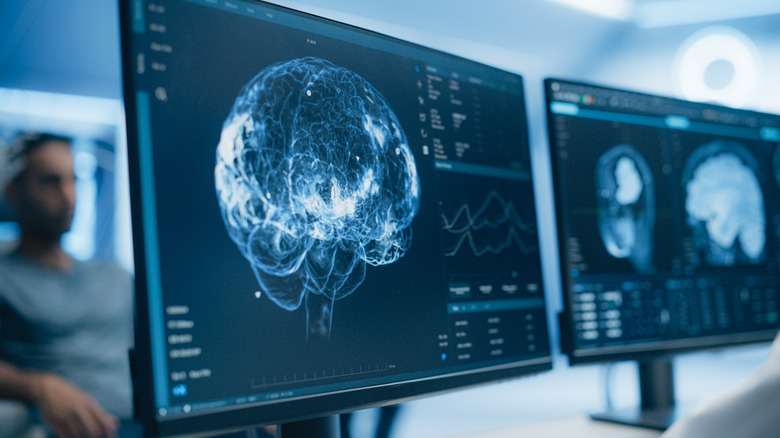
There are also neurobiological factors at play with the nocebo effect. Researchers found that cholecystokinin (CCK), a neurochemical related to anxiety, was at a higher levels in patients who were told they were about to experience something painful. Giving those subjects a medication that blocked CCK receptors blocked nocebo responses, showing that CCK likely plays a role. Other studies found that the hypothalamic-pituitary-adrenal axis, natural opioids in the brain, and dopamine likely also contribute to the nocebo effect. Neurological imaging also found that different parts of the brain may be involved in nocebo responses.
Managing the nocebo effect

Having a better understanding of the neurobiological and psychological underpinnings of the nocebo effect can help researchers and health care professionals manage the phenomenon. While the nocebo effect can make people more likely to experience pain or side effects, it can also affect clinical trials and medical treatments by making people withdraw from trials or stop taking a medication.
Positively framing information about treatments is one way to reduce the likelihood of a nocebo effect. This can mean putting greater emphasis on the benefits of a treatment. For instance, telling patients how often people getting a vaccine that affects their immune system never have side effects, as opposed to informing them of the percentage who do experience side effects, can reduce the chance of nocebo effects. Tailoring information to patients based on their past experiences, what they know, and what they want to know can also help.
Informing patients and trial participants about side effects is vital, especially when dealing with potentially serious side effects. However, it may be beneficial to withhold information about mild side effects for patients at greater risk for nocebo effect. In that case, patients can be asked whether they would prefer to receive no information about mild effects.
Like the placebo effect, the nocebo effect is a complex interaction between the brain and the outside world. With a better understanding of what drives this effect, health care providers and researchers can manage this phenomenon.