

The 'Placebo Effect' Is Easily Explained By Science

As early as the Middle Ages, physicians noted that giving patients an inert treatment like a sugar pill or saline solution could bring about real improvements. This phenomenon, known as the placebo effect, is well documented in medicine. Researchers have used placebos as controls – sort of akin to a constant in the scientific method — to test out new medication in clinical trials for decades. And now, science is beginning to explain the psychological and physiological reasons why the placebo effect happens and how it could be used to help people.
A placebo can make you feel better, easing symptoms like pain or anxiety; however, they can't address underlying health conditions. For example, a placebo treatment won't do anything to a tumor, but it might help with cancer pain or nausea caused by chemotherapy. For years, the placebo effect was a mystery, but scientists are uncovering some of the mechanisms at play such as the release of various neurotransmitters and changes in activity in different areas of the brain.
This is your brain on placebos
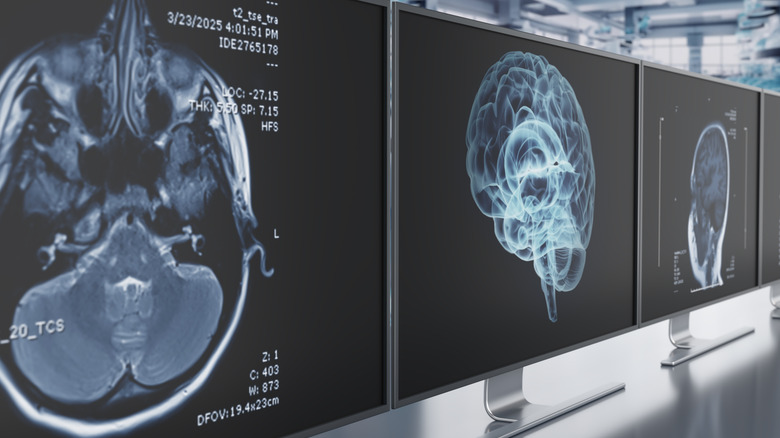
One area where the placebo effect is most pronounced is pain relief. However, while there are psychological factors at play, there are real and measurable physical responses to placebos. Research has found that taking a placebo can kick off the release of neurotransmitters like endorphins and dopamine, which can act as ways to stimulate your brain. Endorphins bind to the brain's opioid receptors much like analgesic drugs do, leading to pain relief. Studies have also found that other neurotransmitter systems like the cannabinoid and monoaminergic systems are involved in the placebo effect.
Thanks to brain imaging technologies like functional magnetic resonance imaging, scientists have also been able to see what anatomical parts of the brain are active during a placebo response. One study of patients with chronic knee arthritis pain showed greater activity in the middle frontal gyrus region of the brain's frontal lobe when taking a placebo. Another study observed increased activity in the rostral anterior cingulate cortex, pontine nucleus, and cerebellum, which could explain reduced pain perception.
The placebo effect also has clear psychological components. One study found that a placebo was about 50% as effective as an actual pain medication even after subjects were told it was a placebo. This might be because the act of taking medication is a part of the placebo effect. Expectations also seem to play a role, with people getting more positive results when a doctor praises a treatment.
Placebos and your health
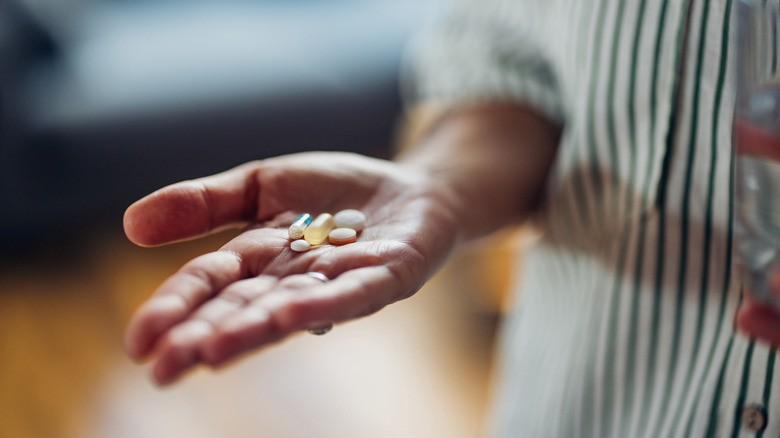
Having a greater understanding of the placebo effect has a few big implications for health care and clinical research. For one, it may be possible to use the placebo effect to improve the effectiveness of treatments or get similar outcomes with lower doses of medication. At the same time, medical providers may want to exercise caution when disclosing possible side effects of medications. Anxiety over negative side effects can sometimes cause an opposite reaction known as the nocebo effect, making negative outcomes more likely.
There is also the potential for harm when it comes to supplements and herbal remedies and the placebo effect. Favorable reviews of supplements could make otherwise ineffective treatments seem helpful; however, many of these remedies are poorly regulated and can interact with medications and have other negative effects. The placebo effect also could also complicate clinical trials for medications. A drug could have similar efficacy to a placebo because of a strong placebo effect rather than the drug not being effective. Having a clearer understanding of the underpinnings of the placebo effect could help clarify such matters.
Research into the mind-body connection and the inner workings of the brain are clarifying the placebo effect. For many years, humanity has intuitively known the power of this effect. And new insights into the placebo effect could bring changes to health care and research in the near future.