

The 'Ozempic Hair Loss' Phenomenon Is Easily Explained By Science
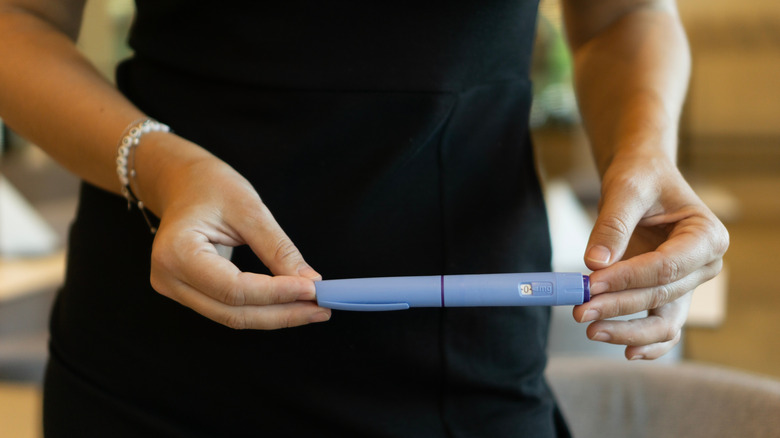
While originally approved to help people with type 2 diabetes better control blood glucose levels, Ozempic (also known as semaglutide) and similar medications have become powerful tools for weight loss. In one study, people taking semaglutide lost approximately 15% of their original body weight, averaging about 34 pounds per person, over a five-year period. This kind of weight loss can lead to drastic changes, including in how people's faces look. And while people using Ozempic are losing weight, some of them are also losing hair. This phenomenon, known as Ozempic hair loss, is not caused by the medication directly, but rather by the way the human body reacts to rapid weight loss.
Somewhere between 25% and 33% of people taking Ozempic experience hair loss. This is largely because the human body often interprets rapid weight loss as a stressor. During rapid weight loss the body will shut down processes like hair growth to save resources to keep organs functioning properly. Stress-induced hair loss, known as telogen effluvium, can also occur after weight loss surgery, and while distressing, telogen effluvium is temporary and reversible.
How does your hair grow?
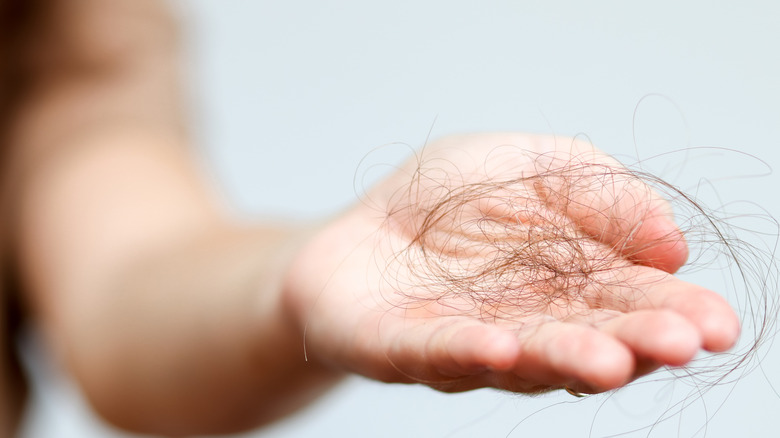
The hair growth cycle is divided into three distinct stages. The first of these is the growth stage. Approximately 90% of your hair is in this stage at any given time. Hair grows from its roots, not from the ends like some myths propose. During the growth stage, cells in the lower part of the hair follicle divide rapidly, pushing the strand of hair outward.
The second stage in the hair growth cycle is a transitional period known as the resting stage. Around 5% of your hair is in this resting stage, during which hair stops growing. After going through the resting stage, hair follicles enter what is known as the shedding stage. The hair follicle then becomes inactive and after some time, the hair falls out.
Telogen effluvium upends the hair growth cycle by sending 70% of the hair that is in the growth stage into the resting stage. Hair in the resting stage then starts moving into the shedding phase. While the average person will lose around 100 strands of hair per day during normal hair growth, someone with telogen effluvium can lose up to 300 strands per day, mostly from the top of the head.
Preventing and dealing with Ozempic hair loss

In most cases, Ozempic hair loss is temporary and reversible. Many times it will resolve on its own, though it could take months for hair to grow back. Anyone who has hair loss going on longer than that should visit a doctor to check for problems like a hormonal imbalance or nutritional deficiency.
Some people taking Ozempic can experience thyroid gland failure, which can contribute to hair loss. Deficiencies in key nutrients like iron and zinc can also happen when people take Ozempic because they aren't getting enough nutrition. To reduce the chances of hair loss, people taking Ozempic should make sure they focus on eating nutrient-dense foods like fruits and vegetables, healthy fats, and proteins, and staying hydrated since dehydration can play a role in hair loss. Doctors might also recommend a supplement containing nutrients like iron or biotin or topical treatments like minoxidil to promote hair growth.
Although nobody wants to lose hair, Ozempic hair loss is an often temporary and treatable response to the stress caused by quick weight loss. Taking a more gradual approach to weight loss, ensuring you get adequate nutrition, and checking with your doctor may help people taking Ozempic to lose weight without losing their hair.