

The Baby Boomer Habit That's Linked To Better Health, According To Science
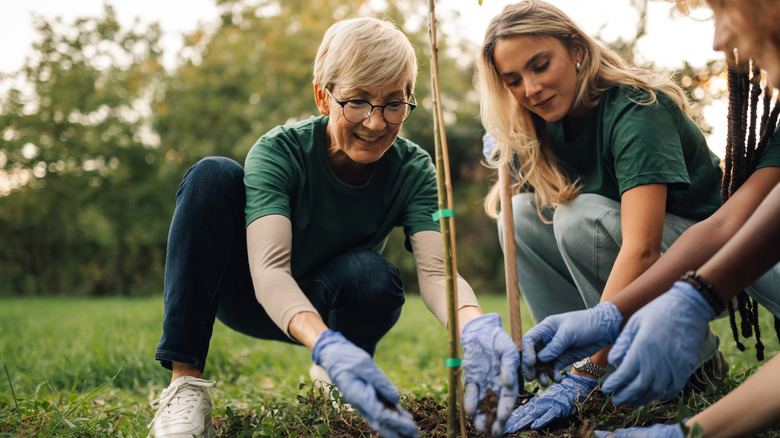
Talk to any baby boomer, and they will insist that their generation got it right, from cooking everything from scratch to spending most of their childhood outdoors. While some of their claims may be biased and based on nostalgia, science has backed up the many benefits of one classic boomer habit — volunteering.
While volunteering and charity work are by no means exclusively reserved for those born prior to 1965, they have certainly led the way with making volunteer work a familiar part of life. From helping out at local church events, to giving up their time to work at charity shops or food banks, this savvy generation is benefiting both its mental and physical health by helping out others.
Research carried out at the Harvard T.H. Chan School of Public Health showed a significant link between individuals who regularly volunteer or engage in other acts of kindness and an improvement in health and longevity. Laura Kubzansky, the professor of social and behavioral sciences who co-authored one of the studies, explained that helping others can have a profound effect on anxiety and stress, partly because it can act as a distraction, and it can also provide a perspective that allows volunteers to see their own problems in a different light.
How kindness can improve your health
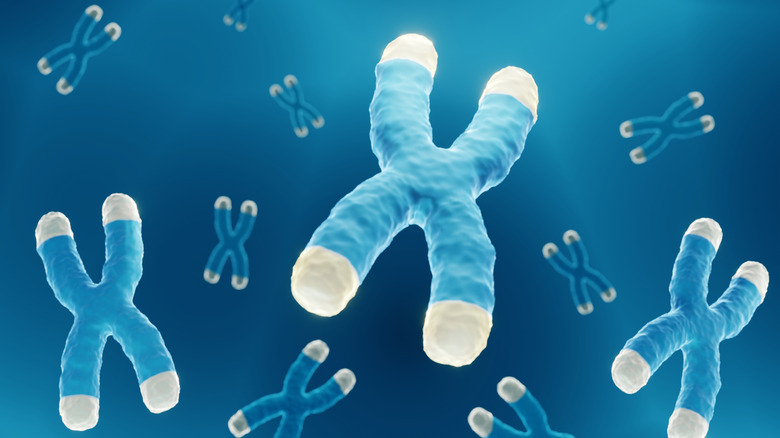
Mental health and physical health are intrinsically linked, and stress can severely impact the body at a cellular level. A second study from the same Harvard school looked at how acts of empathy can influence the shortening of telomeres. Telomeres are DNA sequences that protect the ends of chromosomes, a little like the pieces of plastic on the ends of shoelaces. Where the caps protect shoelaces from fraying or tangling, the telomeres protect chromosomes from genetic damage.
As we age, telomeres naturally shorten, which is why the likelihood of disease increases as we get older. However, certain lifestyle factors have been shown to increase the speed at which they shorten, including smoking, obesity, and crucially, chronic stress. This means that high stress situations can cause the telomeres to shorten, putting the chromosomes at risk, and exposing us to the possibility of cancers and chronic disease.
Immaculata De Vivo, professor in the Department of Epidemiology, says that the key to keeping the telomeres as long as possible is to practice "any good habit that helps us to relax and defuse the stress pathway," which includes compassionate activities such as volunteering and helping others.
The act of volunteering reduces stress by releasing dopamine, a neurotransmitter often referred to as the "feel-good hormone." Being around others regularly is crucial for good mental and physical health, and studies in both mice and humans have shown that those who live alone are significantly less likely to recover well from a serious episode such as a heart attack or stroke.
How a sense of purpose can affect mental and physical health
One additional way in which volunteering and charity work can impact your health is by creating a strong sense of purpose. Although you may assume that having a focus and a positive direction to follow would have only emotional benefits, a 2022 study found that adults with a sense of purpose showed lower signs of cognitive decline when screened for dementia. This is likely due to the lower chance of loneliness and depressive symptoms, which are both connected to an increase in cognitive deterioration.
With volunteering, the combination of finding companionship, lowering stress, and creating a sense of purpose means that both mental and physical health can be protected as we age. This kind and charitable act not only benefits the community and the recipients, but could have a welcome positive effect on the volunteer too, helping them to have better health and potentially extending their life.