

Hawaii Eradicated Rats. What Happened Next Broke Records
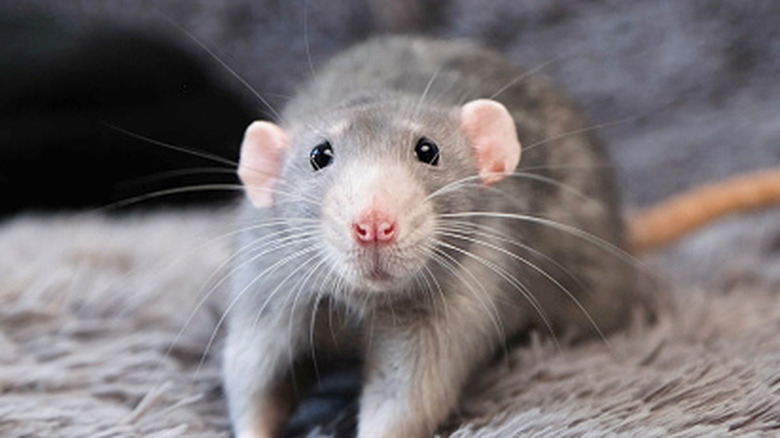
The city with the highest rat population suprisingly isn't New York, but there's little question about the corner of the U.S. that aspires to have a particularly low rat count. Since 2025, Hawaii has systematically eradicated rats from Wake Atoll. In the process, researchers have found something very interesting: As the number of rats has dwindled, sea birds and other species are doing far better. It's not just the birds, either. Other animals are doing better, too, and even trees are recovering. The rats used to consume tons of pisonia tree seeds on this remote North Pacific Ocean atoll, and thus prevent new trees from growing. This has now changed, and new seedlings are thriving.
The eradication mission is a joint project between the international Island Conservation group, the U.S. Department of Agriculture, and the U.S. Air Force Civil Engineering Squadron. They chose the Wake Atoll since rat populations have been a major problem for native flora and fauna. Since the place is hard to reach and a number of environmental factors impact it, controlling its rat numbers has been a pain — but now, things are looking up for all non-rodent residents of the atoll.
Nature is healing on Wake Atoll
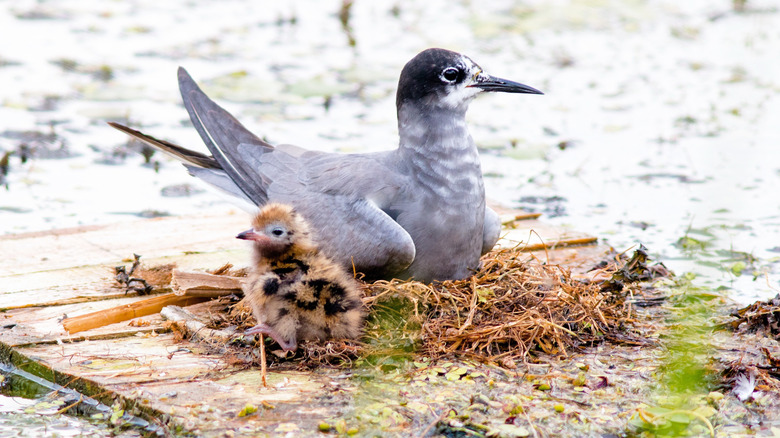
Rats like bird feeders, but they're also happy to take things one step further and munch on young birds and their eggs — not to mention other small animals. By and large, rats are something of a menace on Hawaii's islets, where they're considered an invasive species that can genuinely push the delicate ecosystem off balance. While all of this was known before the great Wake Atoll rat eradication project, it was still surprising how quickly other species started reaping the benefits from the change.
Even the people on the island are doing better since rats can't contaminate their food or living quarters anymore. For animals, the change is even more dramatic. Many bird populations found on the atoll are enjoying their new rat-free life, with sooty terns in particular breaking records this breeding season. What's more, the atoll has also attracted a whole new species in the bonin petrel, which has been spotted nesting there for the first time ever. Several species of crabs, lizards, and suchlike have also benefitted from the sudden lack of rats.
All in all, the project has been a resounding success, except maybe from the rodents' point of view. In fact, rats may want to make their nests on landlocked locations going forward, because there may be more such projects on the horizon. The people behind the eradication view Wake Atoll as a pilot project for salvaging isolated ecosystems like this — potentially on a global scale.