

This Common Beach Mistake Could Put Ocean Swimmers At Risk
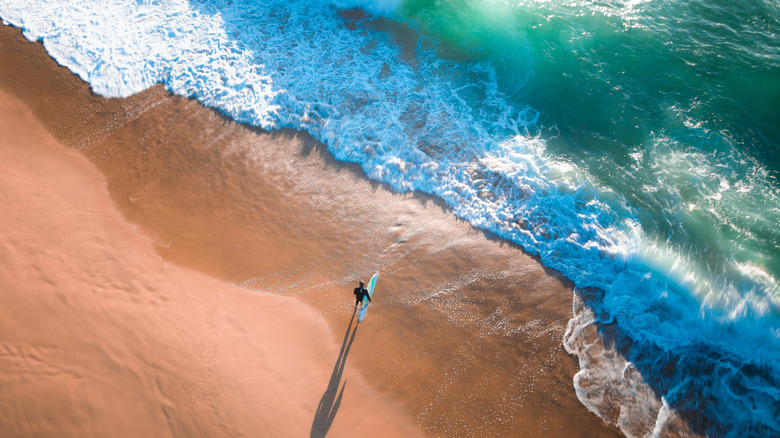
Anyone who has ventured out into the ocean, especially on a windy day, knows that waves are a force to be reckoned with. Powerful waves can lead to severe health problems, including traumatic brain and spinal cord injuries. Importantly, not all waves are created equal, and one type of wave tends to stand out in the level of danger it presents to beachgoers: shorebreaks. These are waves that rise to a peak quickly and break against the shore. The reason that this is so serious is that the wave will not only pull you down, but it can also pin you against the sand or rocks that comprise the shoreline.
Typically, these waves are seen when the slope of the shoreline is steep. On a flatter shore, the waves can break more gradually. Steep shorelines prevent this measured process, and instead, the waves break suddenly into the rising shore. This might not sound that dangerous at first, but some have likened it to being hit by a car. Such a large amount of water impacting you at such an accelerated pace can generate a significant amount of force.
If that was not enough reason to worry, shorebreaks are generally followed by a strong backwash, which is the water that moves back towards the ocean from the shore. This means that you can be suddenly carried a good distance from the shore after being hit by a high-energy wave. Such a situation makes recovery and retreat from the ocean much harder.
How to stay safe from shorebreaks
These waves can also sneak up on you. At first, they may not appear very large, but because they rapidly move from deeper to shallower waters and break quite suddenly, even initially smaller waves can be cause for great concern. In fact, traumatic spine injuries occur when the shorebreak is only an average of 3 feet tall. Most often, shorebreak injuries occur to the back and the neck, but the powerful waves can thrust your head towards the ground, which can lead to head injuries as well.
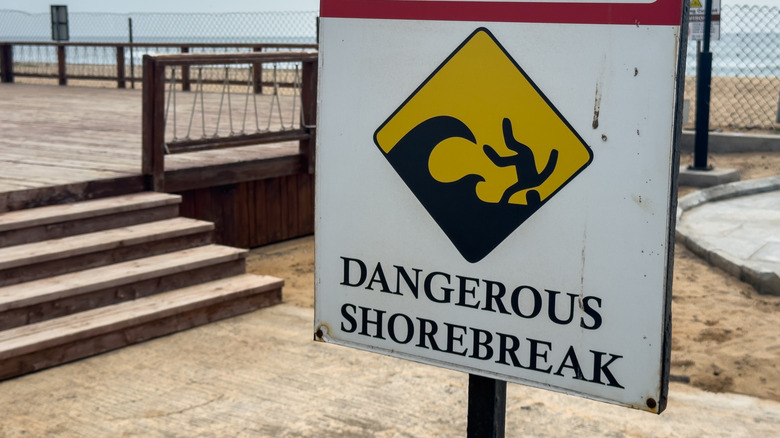
With such risks, it is important to pay attention to the conditions at the beach you are visiting. In some cases, signs will warn of the danger of shorebreaks. If you are unsure, it is good practice to ask the lifeguard about the wave conditions that day. Additionally, experts recommend that you never keep your back to the ocean and emphasize that you should stay aware of your surroundings. Because many of the serious injuries resulting from shorebreaks are to the head and neck, you are also advised to keep your hands in front of you at all times. This way, if you are pushed to the seabed, your hands can stop your fall before landing on your head.
Extreme waves on the rise
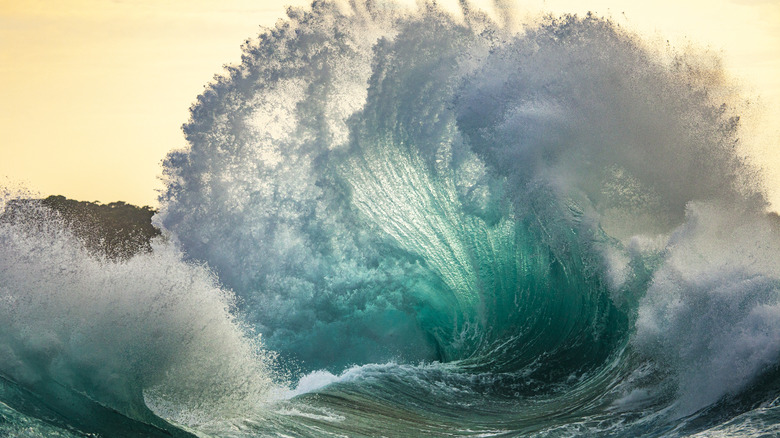
Of course, this issue is only exacerbated by climate change. Much of wave formation is derived from ocean winds, which are heightened in the cases of storms and severe weather due to the forces that influence wind speed. As we know, climate change is generating an increase in extreme weather events as well as altering wind patterns overall. Such a trend means that ocean winds are largely greater now than they were previously, and with that comes an increase in the height and speed of waves.
The Southern Ocean appears to have the greatest increase in extreme wave size with 5% larger waves over the past 30 years, according to a 2019 study published in the journal Science. While this might not appear significant at first, it is concerning that this pattern could progress, leading to even more extreme waves over time. The dangers are more apparent when we consider that one of the worst impacts of global warming is a rise in sea levels.
Therefore, vigilance is becoming more and more important while spending time at the beach. This does not mean that all coasts should be entirely avoided or that conditions are always hazardous, but it does mean that you should keep aware of your surroundings and listen to warnings from experts and lifeguards. Just be sure of the conditions and wave patterns before you swim. It could save you a major headache and even a damaged spine.