

The Tropical Fruit That's Proven To Reduce Blood Pressure And Glucose
We may receive a commission on purchases made from links.
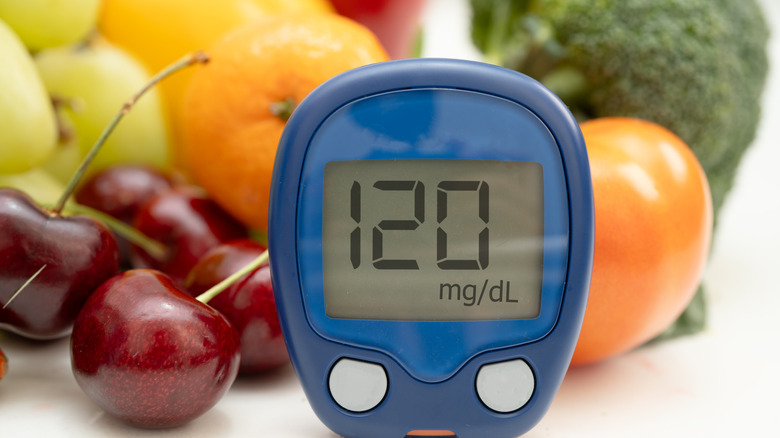
In 2023, the CDC estimated that 40.1 million Americans were dealing with diabetes and 47.7% of U.S. adults suffered from hypertension (which magnesium might help treat). With this alarming increase in chronic diseases that can be deadly, researchers are looking for low-friction ways to incorporate effective treatments into the American diet. As it turns out, incorporating something as simple as a daily passion fruit into your diet may help reduce your glucose and blood pressure levels, plus passion fruit has some pretty great side benefits, too.
A 2019 study published in Preventative Nutrition and Food Science found that passion fruit juice significantly increased cardiac autonomic function and insulin sensitivity while decreasing glucose levels as quickly as 30 minutes after drinking the juice. But what is it about passion fruit that's so powerful, and is unlocking better cardiovascular health really as simple as adding it to your diet? Let's dive into what's hiding beneath passion fruit's purple skin and see what science has to say.
The amount of antioxidants and amino acids hiding in passion fruit is crazy
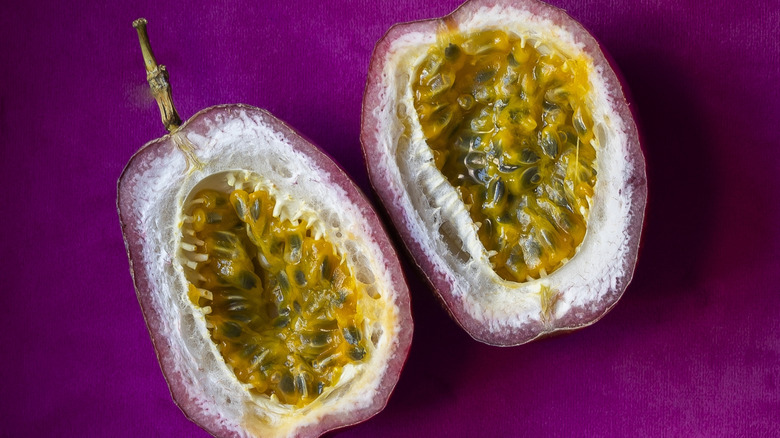
Passion fruit is like a super weapon for combatting all sorts of chronic issues. Its chock full of beneficial amino acids, phenolic compounds, minerals, and beneficial levels of vitamin A (which you can also get in golden rice). Studies have shown that patients suffering from asthma, knee pain, and other forms of inflammation saw a reduction in their symptoms after adding passion fruit peel extract to their diets, showing this fruit has multiple benefits for the body.
As for blood glucose and blood pressure, researchers think passion fruit's power comes from its high levels of ascorbic acid, or vitamin C. Ascorbic acid has been shown to enhance the parasympathetic nervous system which increases cardiovascular health. Meanwhile, multiple studies have shown that a 1,000-milligram-per-day intake of ascorbic acid can also help regulate blood glucose and insulin resistance in type 2 diabetes patients.
However, you should not try to shoot for a daily intake of 1,000 milligrams of vitamin C as too much can lead to gastrointestinal issues. The recommended daily intake level of of vitamin C is 90 to 130 milligrams for adults and 15 to 115 milligrams for children. According to the USDA, one cup of purple passion fruit contains 70.8 milligrams of ascorbic acid, so adding it to a healthy diet that includes other fresh fruits and vegetables should ensure you're getting all of the benefits passion fruit can give without worry.