

Not Fossils, Not Ice Cores: Scientists Say This Holds Earth's Oldest Secrets
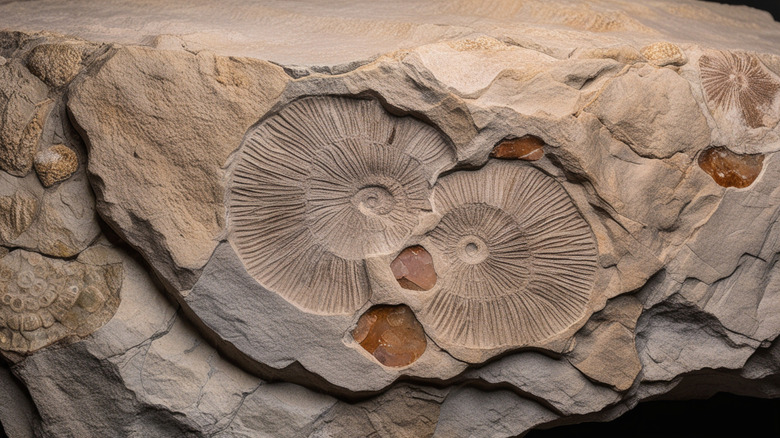
Beneath our feet lie answers to questions about what Earth was like in the past. Fossils can tell us about what kinds of plants and animals were alive during different periods. Ice cores drilled out of glaciers in Greenland and Antarctica can tell us about climate and the atmosphere in the past. Even layers of rock can shed light on the planet's processes. However, these methods only scratch the surface of Earth's 4.5 billion year history. For example, the oldest Antarctic ice core dates back only 2.7 million years and the oldest fossils, which are much older, still miss the first billion years of Earth's history. To dig deep in to Earth's oldest secrets, scientists are looking at tiny crystals of zircon.
Zircon is a mineral made of zirconium, silicon, and oxygen that formed when ancient magma slowly cooled and crystallized. Unlike other minerals, zircon is highly resistant to heat and pressure, meaning that it can survive heat and pressure that turns igneous and sedimentary rocks into metamorphic rock. This means that some of the zircon crystals we have found are up to 4 billion years old.
Fossils and ice cores only scratch the surface
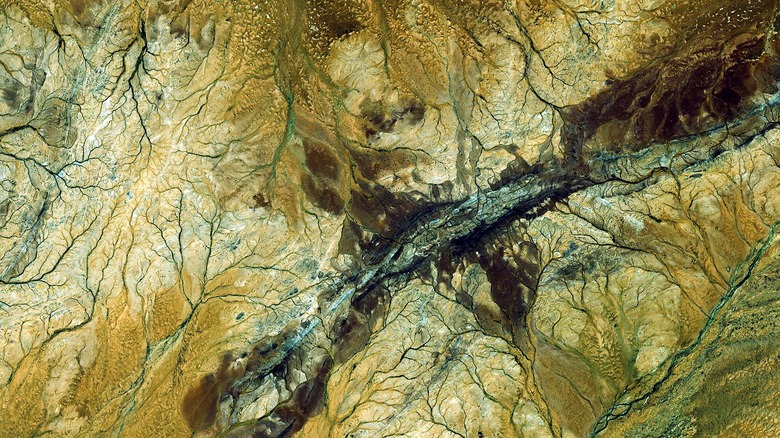
While the Cretaceous, Jurassic, and Carboniferous periods get a lot of attention, some scientists are interested in the Hadean and Archean eons of Earth's first 2 billion years. The Hadean eon starts with the initial formation of Earth and the other planets in the solar system around 4.5 billion years ago. During the Hadean, Earth's surface began to solidify and oceans and the atmosphere began to form.
About 4 billion years ago, Earth moved into the Archean eon, which lasted until 2.5 billion years ago. Scientists think that life began during the Archean based on fossil evidence of microbes found in rocks between 3.5 and 3.7 billion years old. Researchers have also found fragments of ancient graphite that may have been produced by microbes nearly 4 billion years ago.
However, even these fossils tell us little about Earth's processes at the time and completely miss anything in the 500 million to 1 billion years beforehand. Scientists have questions about early Earth, like what the atmosphere was like 4 billion years ago, when did heat circulation start convection currents in Earth's mantle, and when did plate tectonics as we know it begin. The only way we can study what happened is by analyzing ancient zircon crystals.
Zircon crystals hold ancient secrets
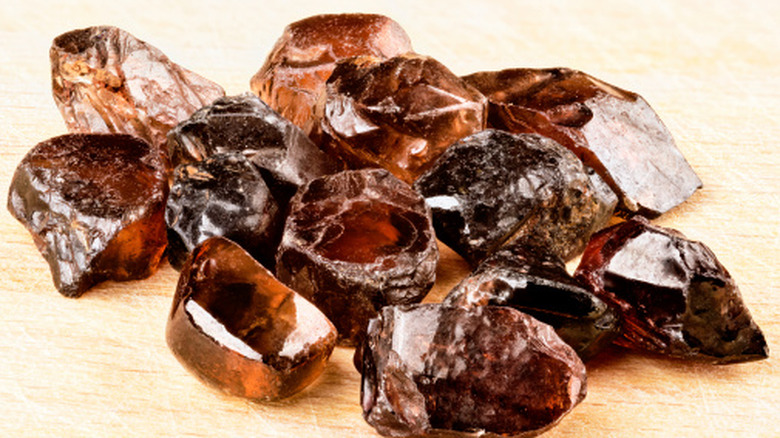
Scientists have been looking at ancient rock formations in two locations to find zircon crystals that can shed light on Earth's deep secrets. These are 3-billion-year-old sedimentary rocks in the Jack Hills region of Western Australia and 4 billion-year-old metamorphic rocks in the Northwest Territories of Canada. By analyzing the ratio of uranium and lead isotopes in these crystals, scientists can calculate their age.
Researchers can also look at other elements that were incorporated into the zircon crystals as they formed to learn about the conditions at the time. One study found levels of aluminum in ancient zircon crystals suggesting they were formed under pressures and temperatures consistent with crust being pushed down into the mantle. Early on, Earth's crust thickened like modern ocean plateaus before transitioning to a horizontal regime where crust is recycled like we see in current day plate tectonics. The evidence shows that modern plate tectonics likely began around 3.6 billion years ago. Another study confirmed this as a likely beginning for plate tectonics and found evidence that levels of oxygen and water around this time were higher than previously thought.
To study Earth's past we need to use the right tools for the job. Ice cores can tell us about the climate and atmosphere thousands or millions of years ago, fossils can answer questions about ancient life, and now zircon crystals can reveal Earth's deepest and oldest secrets.