

What It Means When Your Poop Is Green, According To Science
We may receive a commission on purchases made from links.
While it may not be the subject of polite conversation, most of us have had a green poop experience. Normal stools in healthy adults are usually a shade of brown, so passing a green stool can be a little off-putting. However, an occasional oddly colored poop is likely nothing to worry about, and science can easily explain what it means.
The most common causes of green stools are grouped into a few different categories. These include diet and medications, infections, and changes in how bile flows through your system. Bile is a yellowish-green fluid produced by the liver and stored in the gallbladder, which functions to break down the fat you eat. In most cases a green poop is an isolated incident, but if stool color changes persist for more than a few days or weeks, or if you have a fever, severe abdominal pain, persistent diarrhea, bloody stools, dehydration, or weight loss, you should see a medical professional.
You are what you eat (and take)
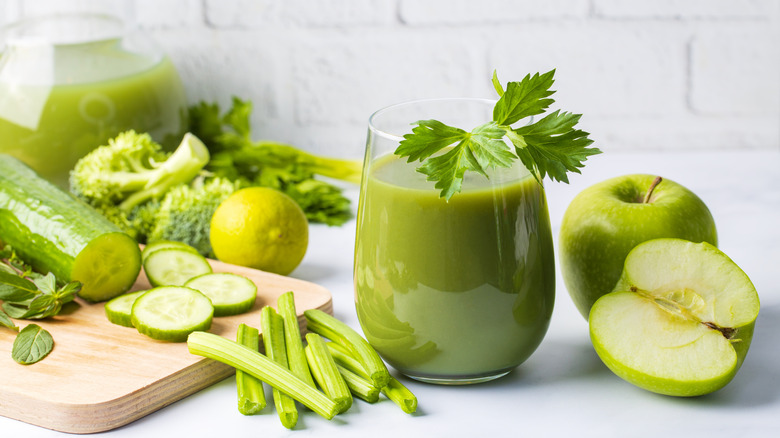
The most common reasons someone might have green poop are the food and beverages consumed, and medication taken. One possible reason is consuming large amounts of leafy greens like spinach or kale. Plant leaves are chock full of chlorophyll, which plays a main role in photosynthesis and gives leaves their distinctive green color. That chlorophyll can show up again after you digest a big salad or huge serving of greens.
Another culprit is food coloring, especially blue and green shades. This is can be readily apparent after gorging on cake with blue frosting or downing green beers on St. Patrick's Day. Green fruits like honeydew melon and avocado, hemp seeds, herbs like basil and cilantro, blue foods like blueberries, and your daily matcha can turn stools green.
Medications can also change the color of your stool. Iron supplements and antacids that have aluminum hydroxide as an active ingredient can turn stools dark green or black. Another medication that can cause dark green poop is bismuth subsalicylate, which is the active ingredient in over-the-counter antidiarrheal medications like Kaopectate and Pepto-Bismol. Some antibiotics can also cause green stools. This is because certain antibiotics disrupt the helpful bacteria in your gut while they fight an infection.
Medical reasons for green poop
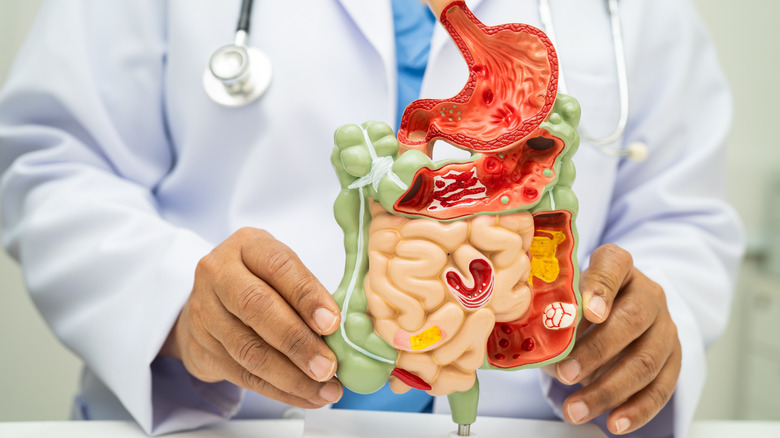
Some medical conditions can also turn your poop green. Bacteria like salmonella and E. coli, viruses like norovirus, and parasites like Giardia can change stool color. Similarly, inflammatory bowel disease, commonly known as IBS, ulcerative colitis, and Chron's disease can leave you with green stools.
In those cases bile is usually the reason for the discoloration. Bile helps your digestive system break down the fat you eat. As it moves through your intestines, bile reacts with digestive enzymes, turning brown in the process. Infections, IBS, and similar conditions often cause diarrhea, which moves bile through your system more quickly. In those cases bile doesn't have time to change color, causing green stools.
Sometimes bile can lead to green poop even without an infection or digestive woe like IBS. Eating a high fat diet will cause your liver to produce more bile to digest that fat. In some cases there may be an excess of bile at the end of the digestive process, making your poop green. People who have had their gallbladder removed to treat gallstones can also have temporary changes in stool color.
While anything other than the usual brown might be a bit alarming, an occasional green poop is nothing to be afraid of. In most cases it comes down to recent dietary choices or other easily explained reasons. However, if you have other symptoms or the changes last longer than a few days, contact a healthcare provider.