

The Science Behind Turning Human Poop Into Usable Cooking Gas
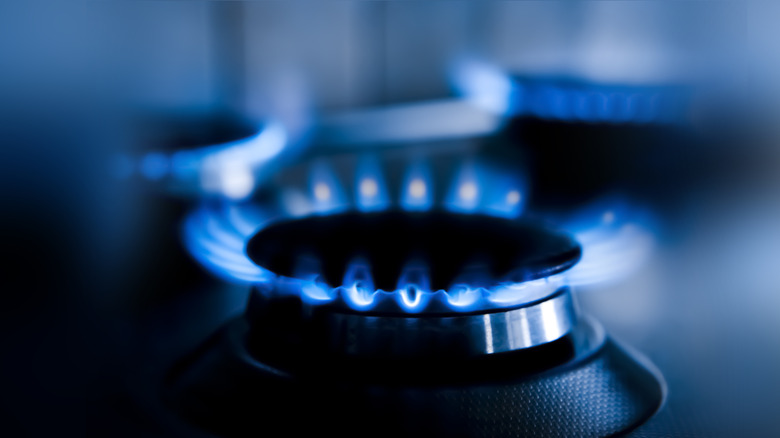
Whether you're frying an egg or baking a loaf of bread, cooking in much of the Western world involves little more than turning a knob or pushing some buttons. However, in remote, rural areas and large parts of the Global South, many people rely on wood stoves for cooking. But now a growing population around the world is using a type of biofuel that is a clean-burning mixture of flammable methane and carbon dioxide. This gas is produced from organic waste like food scraps, animal manure, and human poop, thanks to devices known as biogas digesters that use bacteria.
Biogas digesters are helping people drastically reduce the costs and labor involved in cooking. A 2021 BBC story describes how a prison in southern Malawi installed a biogas digester that allowed them to cut their firewood consumption roughly in half, saving them hundreds of dollars each month. Before installing the biogas digester, the prison used around 70 cubic feet of wood (roughly a cube of firewood measuring a little more than 4 feet on each side) for cooking each day.
Despite the concerns of cooks when the biogas digester was installed, the resulting gas burns with a deep blue flame and does not carry the smells of the raw materials it was made from. The positive effects of turning organic waste into biogas is becoming apparent, with other institutions around the world installing biogas digesters and smaller systems for individual households hitting the market.
Turning waste into fuel
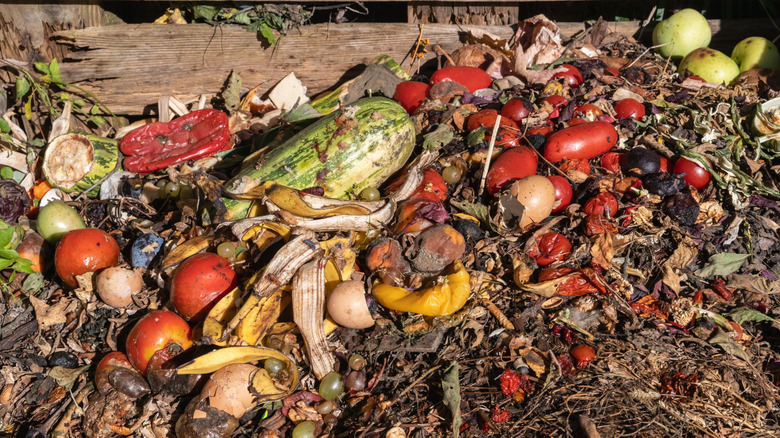
Biogas digesters are able to turn food scraps, agricultural waste, and even poop into cooking gas thanks to the hard work of different types of bacteria. Organic waste is placed into the chamber of a biogas digester where it is submerged in water to create an anaerobic environment — that is, where there is no oxygen. Microbes then recycle the waste through a multi-step fermentation process that produces a gas made of methane and carbon dioxide and leaves behind an organic sludge byproduct that can be used as an organic fertilizer.
First, the waste goes through a process called hydrolysis where bacteria break down carbohydrates, proteins, and other complex molecules into sugars and amino acids. Acidogenic bacteria then turn these compounds into carbon dioxide, hydrogen, ammonia, and organic acids. After that, acetogenic bacteria convert those organic acids into acetic acid. Finally a type of bacteria known as methanogens take these resulting compounds and turns them into methane and carbon dioxide. The resulting mixture of gas, known as biogas, is usually around 60% methane and 40% carbon dioxide, though it can vary from as little as 45% methane to as much as 75%.
Helping to clear the air
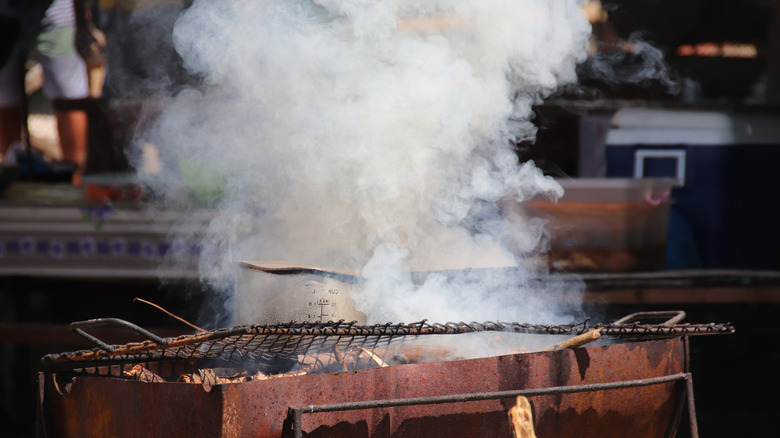
A stove using biogas can be highly efficient and far better for indoor air quality than a wood-burning stove. Smoke from wood fires contains fine particles that can enter the lungs and lead to health problems over time, but the deep blue flame of a biogas stove is far cleaner. Biogas use can also help the environment by decreasing the demand for firewood, which can help fight deforestation, a serious global environmental problem experienced in Malawi and other nations.
Additionally, organic waste in a landfill would undergo the same anaerobic digestion that takes place in a biogas digester, and one of the dangers of the resulting methane is that it is 20 to 30 times more potent at climate warming than carbon dioxide. Burning biogas produces carbon dioxide instead, but it is considered carbon neutral because the carbon in organic waste was pulled from the atmosphere.
The byproduct from biogas digesters is also useful. The slurry left over contains large amounts of nutrients that can be used to fertilize gardens and farms. In African countries, some biogas users have even started selling this byproduct, giving them an extra income stream.
As a way to reduce wood consumption, clean the air, and produce fertilizer, biogas digesters are becoming more popular around the world. While it might seem odd, turning poop into cooking gas could be the next big thing.