

The Mosquito Bite Disease That Can Leave You Dead In One Day
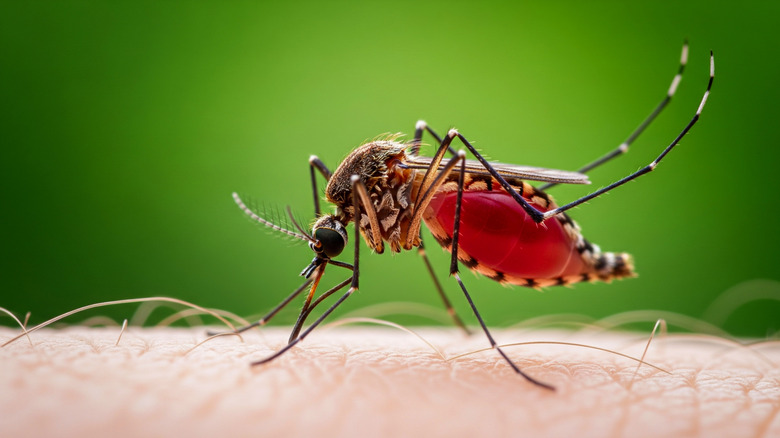
The swarms of mosquitoes that come around after it rains can put a damper on outdoor activities. And while itchy bites are certainly annoying, mosquitoes can also carry diseases, making bites all the more serious. In some parts of the world, a mosquito bite can make someone seriously ill, and one disease known as dengue fever can leave a victim dead in one day. This makes the mosquito one of the world's deadliest animals.
Dengue fever is an infection caused by one of four different viruses in the dengue family. The virus is most often transmitted when a mosquito bites an infected person and then bites another human; however, there have been rare cases of transmission through blood transfusions and organ transplants. The disease is endemic in more than 100 countries around the world, mostly in tropical and subtropical regions. This includes Puerto Rico, American Samoa, and the U.S. Virgin Islands. Additionally, there have been documented cases of dengue fever in Florida, Hawaii, Texas, Arizona, and California.
Each year, there are more than 100 million cases of dengue fever reported worldwide. However, the actual number of people infected with the virus is likely higher as roughly 25% of infected people develop any symptoms at all and only about 5% develop severe dengue. Dengue fever incidence rates have dramatically grown over the past 50 years, though, and infections are expected to continue rising as global temperatures climb in the future, expanding the geographic range of dengue-carrying mosquitoes.
Serious symptoms need treatment

Most people who are infected with dengue never develop symptoms, and the majority of people who do only have mild ones. These include fever, pain behind the eyes, body rash, mild bleeding from the nose, and pain in the muscles, bones, and joints. In most cases, these symptoms last two to seven days, and people recover within a week with rest, adequate hydration, and taking acetaminophen to reduce fever. Experts recommend avoiding medications like aspirin or ibuprofen as they can increase risk of bleeding.
For around 5% of infected people, things can become more serious. Severe dengue can show up 24 to 48 hours after fever goes away. Symptoms of worsening and severe dengue include severe abdominal pain, persistent vomiting, bleeding gums, rapid breathing, blood in vomit or stool, and the presence of purplish dots or patches under the skin that indicate bleeding.
Anyone experiencing these symptoms should seek immediate medical care. Bleeding and fluid loss from severe dengue can lead to shock, indirectly meaning that death by mosquito bite can be one of the worst ways to die. Severe dengue causes death in about 10% to 20% of patients without medical care. There are no medications that can treat dengue fever, but medical interventions such as acetaminophen, intravenous fluids, and blood transfusions reduce the disease's mortality rate to approximately 1%.
Prevention is the best option

Someone infected with dengue fever will gain life-long immunity to the virus they were infected with. However, they will still be vulnerable to the other three viruses in the dengue family. Additionally, anyone who has had dengue fever in the past has a greater risk of developing severe dengue if infected again.
To help with this increased risk the U.S. Food and Drug Administration approved a dengue fever vaccine in 2019. This vaccine is intended for children and adolescents up to the age of 16 who have had dengue fever before and live in a region where dengue is endemic. The vaccine is reported to have an efficacy of around 80% against severe dengue, but the CDC announced that it will no longer be manufactured.
Without a way to fight the dengue virus directly, the best course of action is prevention. One method is to avoid areas where there are active cases of dengue fever. The Centers for Disease Control and Prevention publishes an online map of recent cases and dengue fever risks.
People can also prevent mosquito bites by wearing long-sleeved shirts, pants, and socks to limit skin exposure; removing standing water; and using window screens, mosquito nets, and insect repellents like DEET. These simple steps can help prevent dengue, but they are also good ways to keep swarms of blood-sucking bugs from ruining your cookout or camping trip.