

Scientists Were Wrong About The Origin Of Bed Bugs. This Study Proves Why
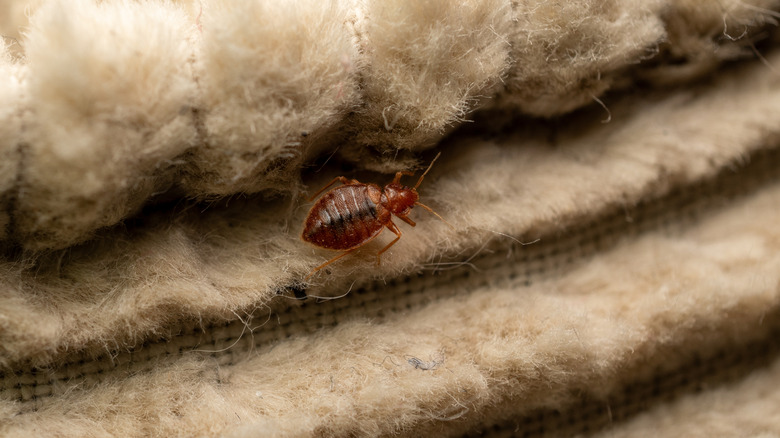
The past two decades have seen the return of bed bugs, tiny insects that feed on human blood. These pests returned mainly because they became too resistant to commonly used pesticides, so we need new game-changing sprays to control them; however, our knowledge of their origins is less clear. For years the consensus was that today's bed bugs trace their origins to evolutionary ancestors that co-evolved with and fed on bats around 50 million years ago. But new genetic and fossil evidence shows that the bed bug family hit the scene 50 million years earlier.
In a study published in the journal Current Biology, an international team of scientists dug into fossil records and genetic material from dozens of separate bed bug species to trace the insect family's evolution. The researchers analyzed five common sequences of bed bug genes to see how different members of the bed bug family, Cimicidae, are related to one another. This allowed the team to map how different bed bug species evolved from a common ancestor.
The scientists also studied fossils of early bed bug species and a separate but related insect family that lived during the time before bed bugs evolved. The team's analysis of DNA and fossils point to the first emergence of the Cimicidae family around 100 million years ago, predating the emergence of bats by tens of millions of years.
One big, bed bug family
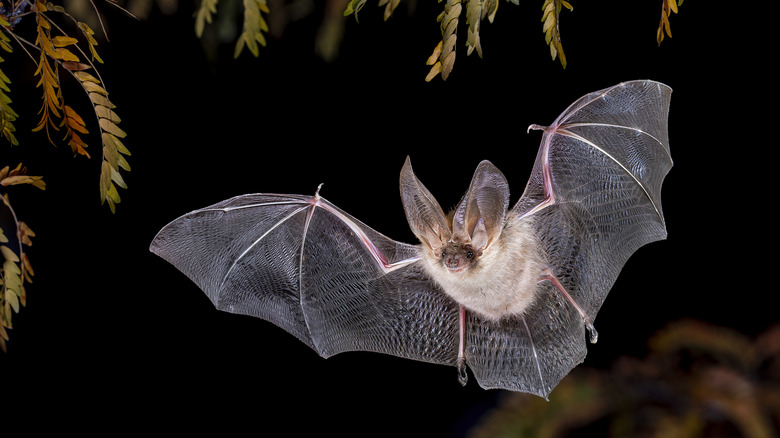
The Cimicidae family consists of fewer than 100 species and includes bed bugs, bat bugs, swallow bugs, and poultry bugs. Most of these insects need to feed on the blood of birds or mammals to survive. Of all the insects in this family, only three are known to feed on humans. The most commonly encountered bed bug species are the tropical bed bug (Cimex hemipterus) and the common bed bug (C. lectularius), which lives in temperate and subtropical regions around the world. A third species, Leptocimex boueti, lives in parts of West Africa and feeds on both humans and bats.
The fact that Cimicidae also feed on bats is one reason for the previously accepted age of bed bugs. Bed bugs need hosts to survive and bats were long thought to be the first hosts of the ancestors of modern bed bug species. However, scientists found the fossilized remains of an insect in the bed bug family that were more than 30 million years older than the oldest known bat fossil. These insects are thought to have lived on small mammals that emerged during the age of the dinosaurs 100 million years ago and have expanded to other species like bats, birds, and humans in the intervening eons as new feeding grounds presented themselves.
A global phenomenon
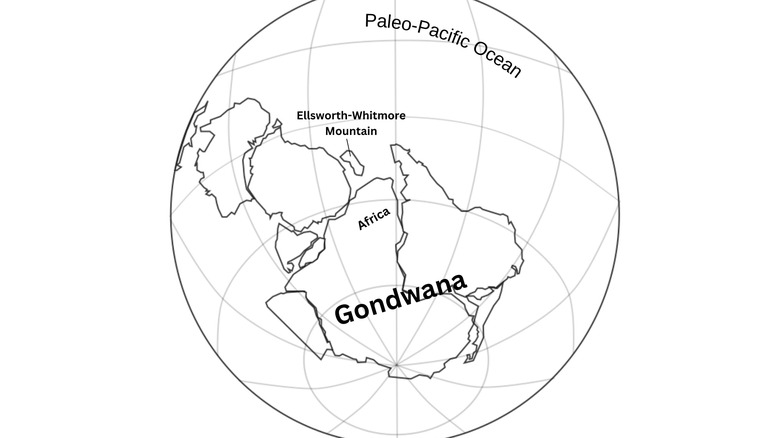
Bed bugs can be found nearly everywhere in the world, though with regional species differences such as the ranges of tropical and common bed bugs. The movement of bed bugs over long distances likely depended on host animals as bed bugs don't have wings and cannot fly. This can be seen in fossil and DNA evidence as early members of the Cimicidae family were limited to landmasses that were part of the ancient continent Gondwana. Other parts of the world did not have bed bugs until continental plates collided to bring those landmasses in contact with lands that Cimicidae called home. For example, bed bugs first reached Europe and Asia after the African plate collided with the Eurasian plate around 50 million years ago.
Evidence also casts doubt on the idea that bed bug speciation was driven by human evolution. Previous hypotheses had bed bugs species diverging because of feeding pattern changes as humans evolved into their modern form. However, evidence now shows that these insect species diverged far sooner than previously thought, showing that prior assumptions were likely incorrect.
These discoveries point to a more complicated and longer story for bed bugs and their distant ancestors. Although this points to flaws in previously held assumptions about the origin of bed bugs, the new information we've gained and the questions these findings raise could lead to further research into the origins of these insects.