

The Game-Changing Spray That Could Finally Beat Bed Bugs
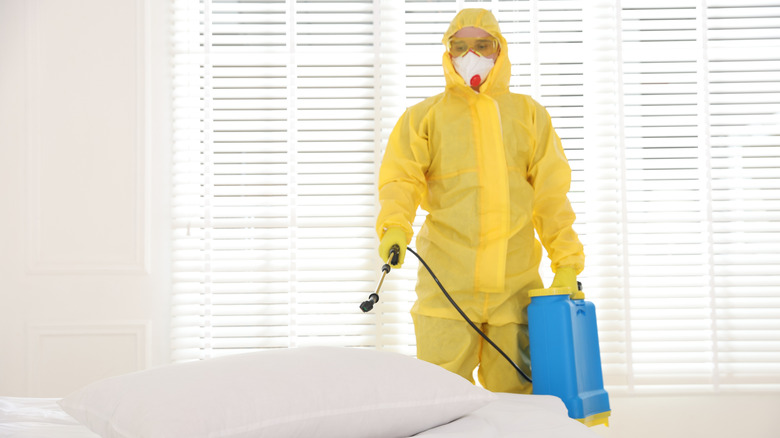
The past two decades have seen the resurgence of bed bugs around the world. For around 50 years after World War II, these tiny, bloodsucking pests were virtually unheard of thanks to advances in pesticides. However, over the years bed bug populations resistant to many common insecticides started to pop up, leading to a population explosion in the early 2000s. But scientists have developed a new family of pesticide that could finally beat bed bugs.
The insecticide known as isocycloseram is part of a new class of chemicals called isoxazolines. A study by researchers at Rutgers University found that isocycloseram killed 100% of bed bugs within three to four days of exposure. They also found that after 30 days, residue of the insecticide was still just as effective at eliminating bed bugs. These results are a stark contrast with currently used pesticides like pyrethroids and neonicotinoids that many bed bugs are resistant to. The most effective pesticides used to treat bed bugs kill only about 80% of the pests and are almost completely ineffective after 30 days.
Spray kills even resistant bugs
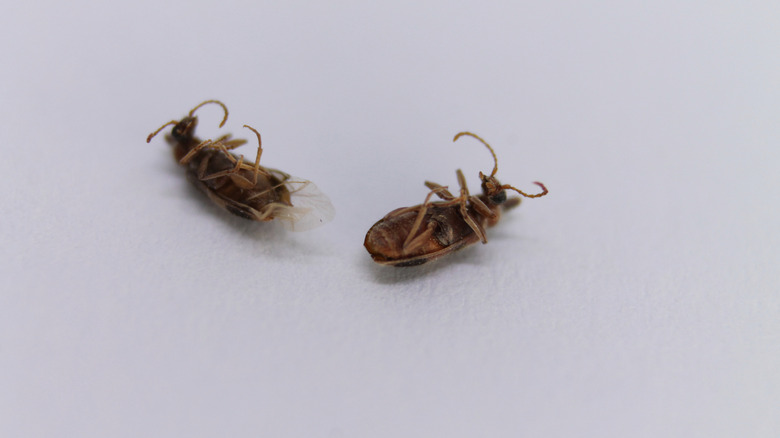
Rutgers scientists tested two formulations of isocycloseram they referred to as 45 SC and 400 SC. These formulations had the same active and inactive ingredients, but with 400 SC having a much higher concentration of isocycloseram than 45 SC. The researchers applied 45 SC and 400 SC to fabric, ceramic, vinyl tile, and wood surfaces and then exposed five different strains of bed bugs to the insecticides for four hours. Four of the tested strains were collected from apartment buildings in New Jersey. Three of the four field-collected bed bug strains showed high resistance to common pesticides and the remaining strain showed low resistance.
The researchers found that the 45 SC formulation was more effective than the 400 SC formulation. After exposure, 100% of the bed bugs tested died within three to four days. In contrast, the mortality rate of five other chemical pesticides commonly used to control bed bugs ranged from 73% down to 0%. After 30 days the scientists exposed more bed bugs to the same surfaces for four hours. Within five days 100% of the exposed bed bugs died.
The path to fewer bed bugs
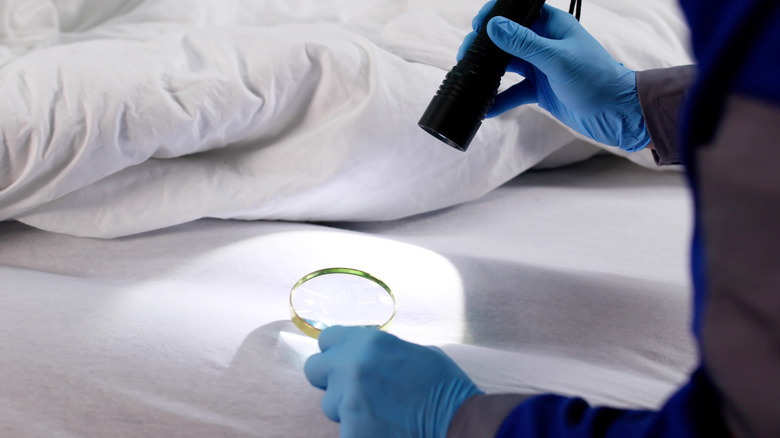
Bed bugs don't typically transmit disease, but their bites have harmful effects like itchy welts, allergic reactions, and increased infection risk. The effectiveness of isocycloseram on fabric after 30 days is promising as bed bugs hide in bed linens, mattress seams, and upholstered furniture. Maintaining effectiveness after 30 days also means there is less need to do repeated treatments with pesticides as is currently the case. Less frequent spraying could translate to lower costs and reduced indoor chemical exposure.
While isocycloseram seems to show promise, the study authors note a need for further laboratory studies of shorter exposure and field trials of the pesticide to see how well it works in the real world. It could take several years for isocycloseram to be approved to use against bed bugs. Additionally, pest control professionals would need to make careful use of isocycloseram to reduce the chances of bed bugs developing resistance over time.
For now, people will have to rely on steam and heat treatments, and preventive methods like mattress encasements, to hold off the bed bug invasion. But with further research, there could be a game-changing spray on the scene in the future.