

How Scientists Are Using Poop To Save An Adorable, Critically Endangered Animal From Extinction
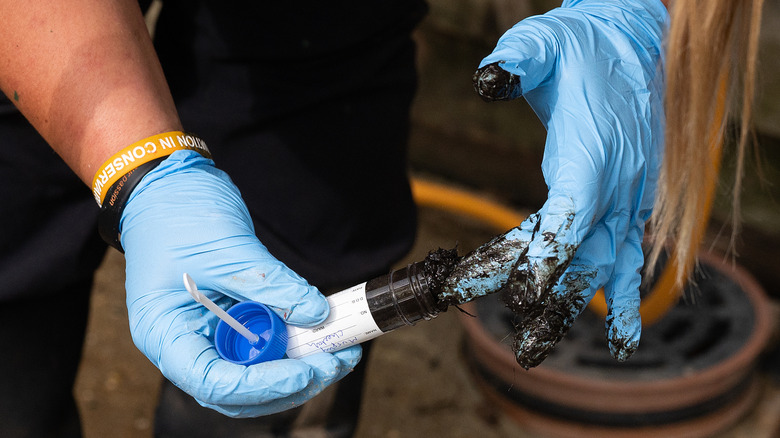
Hundreds of species have become extinct as the centuries have passed. In fact, at least a dozen animals went extinct in the last decade alone. Unfortunately, animal extinction can negatively impact ecosystems and the entire planet. That's why national and international experts work so hard to implement conservation strategies that prevent animal extinction. Some of these efforts are being poured into saving the critically endangered Gilbert's potoroo (Potorous gilbertii), a rare marsupial, and scientists are using poop to do it.
In a study published in Biodiversity and Conservation, researchers from Western Australia's Edith Cowan University (ECU) detail how they used environmental DNA (eDNA) metabarcoding to examine the feces from live potoroo specimens to determine their diet. The scientific community has been using this advanced form of DNA sequencing more often to study various species without interfering with them. Also, this molecular technique can analyze the digested material in feces to determine what animals eat rather than the undigested material of traditional testing. That's particularly useful for mycophagous (fungi-eating) mammals like Gilbert's potoroo because so many fungi species are still undescribed.
Alongside assessing fresh poop samples from the potoroo, the researchers performed eDNA metabarcoding on feces from similar marsupials: the bush rat, quenda, and quokka. They determined that the four species eat some of the same things and live in similar habitats, which is information that could help save the potoroo's existence.
Why understanding the potoroo's diet could save it from extinction
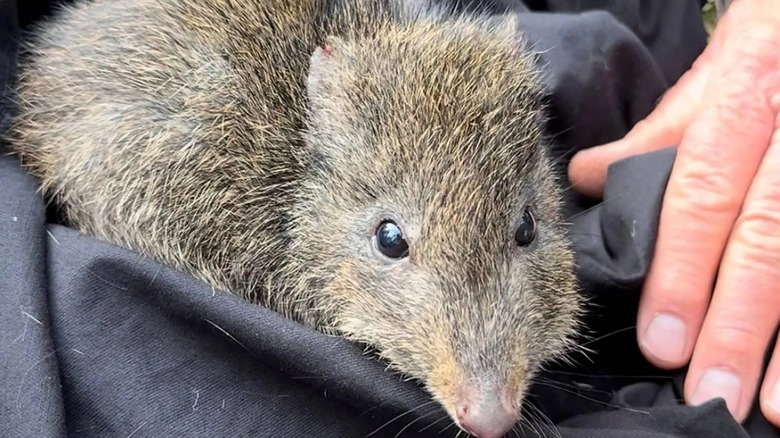
Gilbert's potoroo is one of the creatures that fooled us into thinking they went extinct, however, conservationists rediscovered it in 1994 and have been trying to save the dwindling population ever since. These mammals are picky about where they get their food, though, and attempts to breed them in captivity have failed.
Lead author Rebecca Quah explained in a press release, "In 2015, a bushfire destroyed 90 per cent of core potoroo habitat in Two Peoples Bay, which is home to the only natural population of Gilbert's potoroo." Insurance populations (or captive breeding groups) were formed on Bald Island and in a Waychinicup National Park enclosure. However, the IUCN Red List of Threatened Species reports that there are fewer than 50 mature individuals still alive in the wild today, leaving them on the brink of extinction.
By learning more about the potoroos' diet through poop analysis, the ECU researchers believe they can translocate the animals somewhere with suitable food sources and habitats to improve their odds of survival and population regrowth. Department of Biodiversity, Conservation and Attractions research associate Dr. Tony Friend said, "The search for new translocation sites is an important next step in the recovery of Gilbert's potoroo from near extinction. This publication shows that examining the fungal diet of mammals that occur with the potoroo can help in deciding where to establish new populations."
Why saving fungi-eating animals like Gilbert's potoroo is vital
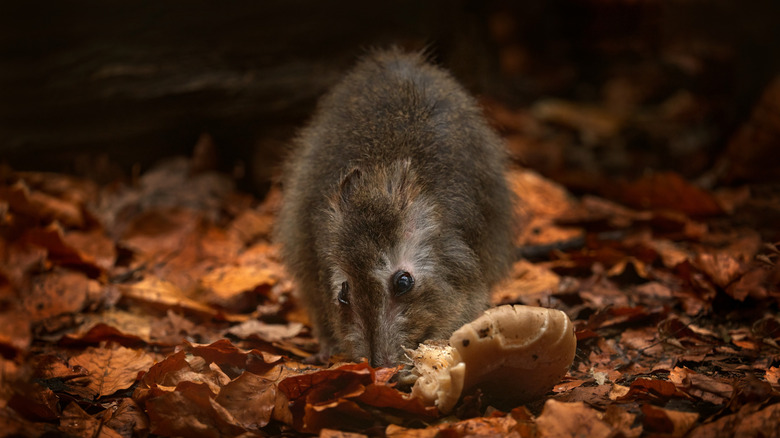
On the surface, it looks like scientists are trying to save Gilbert's potoroo simply to preserve biodiversity and prevent the extinction of a species. These mammals with pouches, like other fungi-eating animals, are essential to the ecosystem specifically because of their diet, though. As they dig into the soil for fungi, spores from the fungi can be flung and spread around. The spores can also survive in the animals' feces, which allows them to spread even farther.
This behavior is vital to support fungi in the ecosystem, especially since many of the fungi in the potoroo's diet are mycorrhizal. In fact, mycorrhizal fungi are essential for the biodiversity of ecosystems because of the extensive underground networks they create — like the one scientists couldn't quite believe was under one of the world's oldest trees in South America.
These tubular fungal networks form a symbiotic relationship with the plants around them. As they forage the soil for nutrients (like nitrogen and phosphorus) to pass on to plants, the plants pass nutrients (specifically carbon) to the fungi. What's even more interesting is that the fungi can even determine which nutrients are needed most in certain areas of their networks. Additionally, the fungi can stockpile certain nutrients until they're needed elsewhere or until they will receive a higher exchange of carbon in return for them.
Unfortunately, Gilbert's potoroo is Western Australia's only living potoroo species. Quah said in the press release relating to her team's research in Biodiversity and Conservation, "That is why it is vital that we do everything we can to help protect our native wildlife, and translocations are one important way to accomplish that goal."