

The Difference Between Hantavirus And COVID-19 Can Easily Be Explained By Science
With the latest hantavirus outbreak that occurred aboard the MV Hondius cruise ship in 2026, many people are understandably concerned after living through the recent COVID-19 pandemic. However, the hantavirus is completely different than COVID-19 in terms of causes, transmission, prevention, and overall outlook. Crucially, hantavirus is unlikely to reach the level of a pandemic status because of its transmission features.
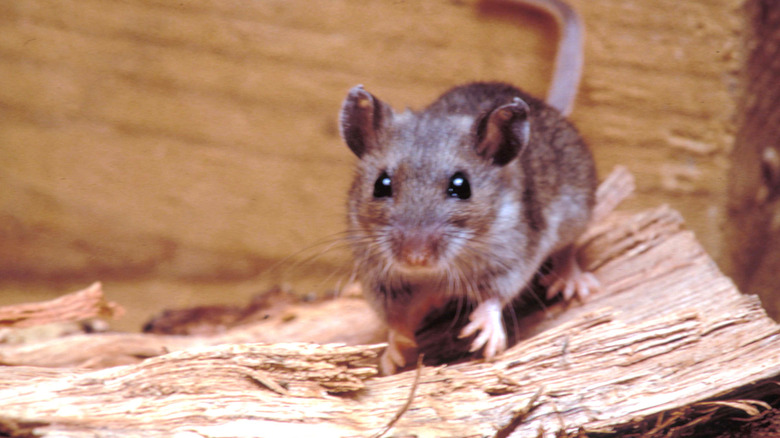
Hantavirus is most commonly transmitted to humans via exposure to urine and excrement from infected rodents, as well as rodent bites. Despite the recent news coverage, hantavirus is not a novel virus. An early strain was discovered in rodents near the Hantan River in South Korea and described in the late 1970s, and it was subsequently named "Hantaan virus." Later, in 1993, a hantavirus outbreak in the Four Corners region of the U.S. led to severe respiratory complications that were identified as hantavirus cardiopulmonary syndrome (HPS). Yet scientists now believe HPS likely affected humans decades sooner than this, based on further analyses of frozen lung specimens. Today, hantavirus strains exist all over the world, and occasional outbreaks have occurred.
Today, the Centers for Disease Control and prevention (CDC) says that between 20 and 40 cases are identified in the U.S. every year. Yet human to human transmission is still rare, with the exception of the Andes virus strain. While not carried by rodents in the U.S., this particular strain is the culprit behind the recent cruise ship outbreak.
COVID-19 (SARS-CoV-2), on the other hand, belongs to a group of coronaviruses, which is just one of the classes that common cold viruses come from. This novel strain was first identified in China in November 2019, and it was easily transmitted between humans via respiratory droplets. While no longer in a pandemic status, the virus is still widely present throughout the world.
The symptoms, development, and diagnosis of each virus
Hantavirus and COVID-19 infections can present with similar symptoms. The most common of these include fatigue, fever, body aches, cough, and shortness of breath. Both can cause other symptoms that are similar to your body on the flu. Yet the CDC also notes that hantavirus has a much longer incubation period than COVID-19. While it's possible to develop symptoms of a COVID-19 infection between 2 and 14 days after exposure, hantavirus may take between 7 and 60 days to develop. (However, the Andes strain may cause the development of HPS within as little as 4 to 42 days.)
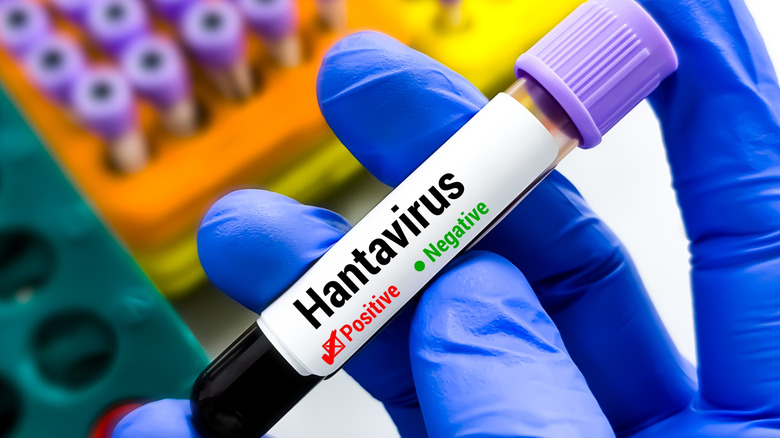
A clinician can run appropriate tests to diagnose any suspected viral infections a person might have, especially based on history of exposure. With the exception of the Andes virus, risk factors for hantavirus are primarily confined to exposure to rodents. A doctor might want to test for hantavirus in such cases, particularly among those who hike, camp, or work in pest control and other environments with increased risk of exposure. Aside from any recognizing symptoms and individual risk factors, HPS diagnosis might include blood and antibody tests. In comparison, COVID-19 is typically diagnosed via polymerase chain reaction molecular tests via nasal swabs in the case of suspected symptoms and exposure.
How the outlooks between hantavirus and COVID-19 differ
COVID-19 is still prevalent on a global scale, and there are reported cases of related deaths every day. While anyone can potentially develop life-threatening complications with this virus, older adults and those with underlying health conditions are at greatest risk. Reducing exposure to the virus is one way to prevent getting sick, yet the high transmission rate between humans can make this approach challenging. Since the emergence of this coronavirus, there are now a variety of antivirals that may effectively reduce the risk of serious illness. Also, while there is no vaccine available for hantavirus, people can still get vaccinated for COVID-19.
The lack of a vaccine is not the only factor to consider in the overall outlook for hantavirus. Like COVID-19, there's no cure for hantavirus and subsequent HPS. Yet this particular virus is more difficult to treat compared with COVID-19, and it is considered much deadlier overall because of rapid HPS progression in the lungs and heart. According to the World Health Organization (WHO), HPS poses a fatality rate as high as 50%. The only known way to prevent hantavirus infection and such complications is to reduce exposure to rodents that might carry these diseases. As scientists work to contain the spread of the deadly hantavirus outbreak on the recent cruise ship incident, ensuring it doesn't spread to land, there is still admittedly much more to learn about these viruses and their impacts on human health.