

Your Body Odor Reveals More About Your Health Than You Realize

Body odor is a normal fact of life for nearly everybody starting in adolescence. We often associate sweat with smelling bad; however, sweat alone is not the culprit. Body odor stems from an interaction between sweat and bacteria normally living on our skin's surface. Regularly bathing with soap and water and using deodorants will usually keep potentially offensive and embarrassing odors at bay. However, the way we smell, especially when it changes suddenly, can reveal more about your health than you realize, from diet to potential health conditions.
The human body has two types of sweat glands. Most of our bodies, including the soles of the feet and palms of the hands, are covered with eccrine sweat glands that secrete sweat directly to the skin's surface. Sweat evaporates, carrying heat away to help you regulate your body temperature. The groin and armpits are home to a second type of sweat gland known as apocrine sweat glands. These glands secrete sweat that is thicker and stickier than sweat from eccrine glands. This sweat interacts with bacteria in these areas, causing body odor. Apogrine glands don't start working until puberty, which is why body odor is something that starts in adolescence, helping contribute to the odd and unique "teenager smell."
While sweat and bacteria are what cause body odor, the way we smell can be influenced by a range of other factors. The foods we eat, physical activity, stress levels, hormonal fluctuations, and even some health conditions can all change our body odor.
Diet, Activity, and Stress

Your body odor can be heavily influenced by what you eat and drink. For example, eating foods rich in sulfur, a substance often described as smelling like rotten eggs, can make body odor more likely. Some examples of foods high in sulfur include onions, garlic, cabbage, cauliflower, broccoli, and red meat. That slice of onion on your burger may be revealed in your breath now (while revealing something about your health) and in your body odor later.
Heavy sweating can also increase your odds of body odor. Exercise or being outside in hot weather can make you more likely to smell bad. However, this can usually be remedied with a quick shower. High stress levels can also lead to body odor as stress can cause your apocrine glands to activate and increase sweating. Diet can also play a role in how much you sweat as anyone who has bitten into an especially hot pepper can attest to. In addition to spicy foods, spices like cumin or curry powder, alcohol, and caffeine can make you sweat more and contribute to body odor. If body odor is a problem, eliminating foods that seem to contribute to the problem can help.
Hormones and Health Conditions
Changes in hormone levels like those experienced in menopause and perimenopause can also contribute to changes in body odor. At the same time, there is some evidence that body odor can change during ovulation.
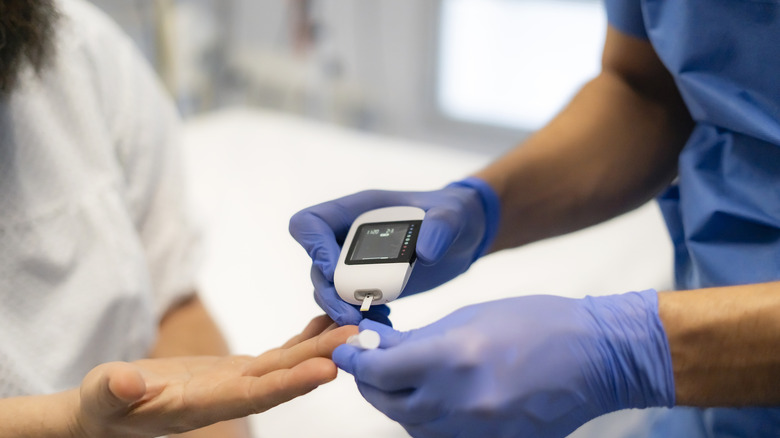
There are also multiple health conditions that can cause a change in body odor. Bad smells coming from a specific body part like the belly button could indicate the presence of bacteria or an infection. Diabetes can also contribute to abnormal body odor. For example, a diabetic with poorly controlled blood glucose levels could have a buildup of ketones in their blood that can give their body and breath a fruity odor. Similarly, liver and kidney disease can cause a buildup of toxins in the body that causes a bleach-like smell.
Changes to body odor can also reveal the presence of some types of cancer. Because of this, it is possible to train dogs, which have a sense of smell between 10,000 and 100,000 more sensitive than that of humans, to detect cancer early. Disease-detecting dogs are trained for months with hundreds of samples of cancerous and healthy cells so they can reliably detect cancer.
Body odor is tricky thing, revealing hidden health problems or showing the world that you ate broccoli and went for a run. Regular bathing, using deodorant, controlling stress, and watching what you eat can help you avoid smelling bad. However, it's good to remember that the way you smell can say a lot about your health.