

Coal Mining Is Doing A Lot More Damage To The Environment Than Just Causing Pollution
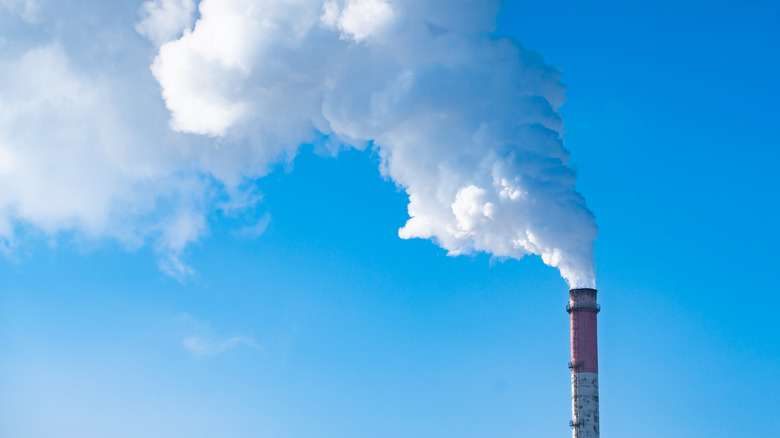
Going back to the Industrial Revolution of the 18th century, humanity has relied on coal as a convenient and reliable fuel source. The fossilized remains of ancient plant matter, coal made many of the advancements of the past two centuries possible. However, one downside of coal is that burning it releases carbon dioxide that is warming Earth's climate along with a variety of other pollutants that can harm human health and the environment. Less talked about is the environmental damage that mining for coal causes beyond the resulting pollution from its use.
Before it can be used to produce energy, coal must first be dug out of the ground. As of 2022 there were active coal mines in 22 states in the United States, with Wyoming, West Virginia, Pennsylvania, Illinois, and Kentucky having the most. Mining, even with modern techniques, can have widespread effects on the ecosystem. There are two general methods for mining coal. The majority of coal is mined by digging out layers of coal underground; however, around 40% of the world's coal is obtained using surface mining. This method, sometimes also known as strip mining, removes layers of soil and rock to expose coal deposits underground. It enables easier access to coal, but causes tremendous disruption to the land and surrounding plants, animals, and water.
Removing Rock and Soil
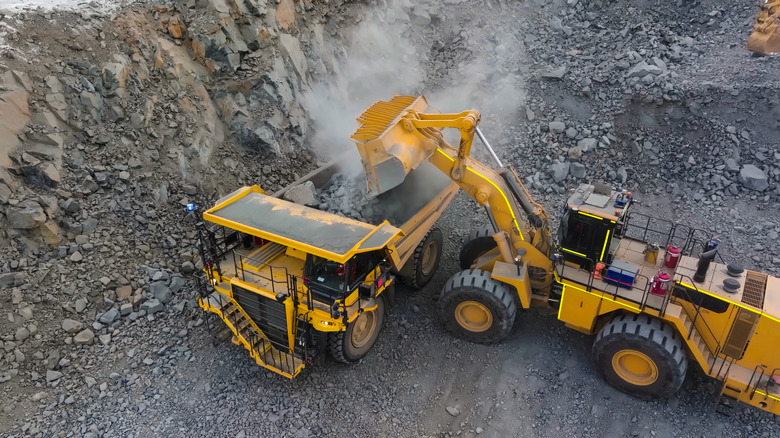
The process of surface mining removes trees, other plant life, and soil from the area being mined. This makes the area uninhabitable for wildlife, and the loss of soil and vegetation can increase the rate of erosion, causing further loss of valuable soil. Mountaintop removal mining is particularly harmful as the process can remove 600 feet or more from the tops of mountains. The removed rock and soil is often dumped in nearby river valleys, affecting stream flow for large areas. Additionally, machinery used in mining causes noise pollution and dust from the mine can degrade air quality.
Underground mining, on the other hand, often leaves few visible impacts on the surface initially. However, to get to buried coal, miners will need to remove vast amounts of rock and soil. Over time, the tunnels that enabled access to coal can collapse, which will cause the land above to sink. Additionally, this waste rock is typically brought to the surface and left exposed to the elements. Surface water running over waste rock can leach heavy metals and other potentially toxic substances from the rock, degrading water quality. One notable impact is acid mine drainage, where water reacts with sulfur-bearing minerals in waste rock. This results in acidic water that can harm plants and animals and even turn water orange or red in some cases.
Impacts on Wildlife

Acidic or toxin-laden water is obviously harmful, but even exposed rock and soil that doesn't contain harmful substances can cause problems. Without plants to slow erosion, streams can quickly clog with sediments and damage aquatic habitats. The effects can be most readily seen with sensitive animals like salamanders and fish. Some coal-mining regions have seen serious declines in the number of species present compared to areas where mining is not happening. Contaminated water can also lead to deformities like missing gills or crooked spines in fish.
While the effects are most obvious near mines, the environmental impacts of coal mining can be seen far away. Decreases in population size and diversity in aquatic plants and animals like salamanders and fish can disrupt food webs in aquatic and terrestrial ecosystems, affecting species that feed on organisms in streams. Additionally, when plants and small animals that have absorbed contaminants are eaten by larger animals, those contaminants come along for the ride. Over time, pollutants can accumulate in predator species, a process known as biomagnification or bioaccumulation, which can have harmful effects on an ecosystem on the whole.
Modern mining techniques attempt to monitor and control pollution and rehabilitate mining areas; however, with thousands of abandoned mines, some hundreds of years old, there is a lot of environmental damage that needs to be addressed. Using coal has its own impacts, but even mining it can cause environmental damage.