

Why Portugal Had To Move 2 Millions Tons Of Sand To Save Their Tourist Hotspot
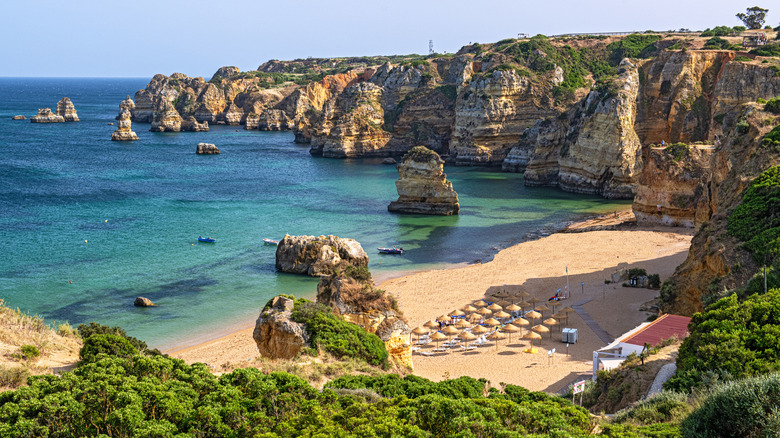
The southern coast of Portugal is home to the nation's famed Algarve region, a world-renowned tourist destination. This nearly 100-mile stretch of beaches features beautiful scenery, easy access to warm waters, and long sandy beaches. These beaches host vast numbers of vacationers each year, which is why Portugal's government recently invested millions of dollars to save one tourist hotspot, a stretch of the Algarve coastline between Quarteira and Garrão, by moving around 2.2 million tons of sand.
This project's aim is to restore the sandy beaches of this four-mile length of coastline that has been hit hard by coastal erosion and limit the resulting economic impacts. The project will involve dredging vast amounts of sand from the seafloor off the coast and transporting it by ship to the beach where it will be spread and shaped along the shore. This process is known as beach nourishment, and its intent is to stabilize the shoreline and rebuild portions of the beach where the forces of wind and waves have carried sand away. The new layer of sand will act as a buffer to slow future erosion, protecting the shoreline.
Beefing up the Beach
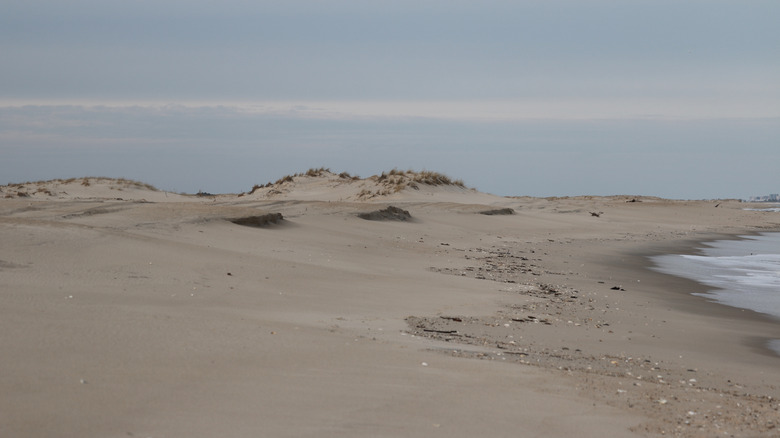
Portugal's southern coast has been subject to intense winter storms that have driven tremendous amounts of erosion. As climate change threatens to raise sea levels and intensify storms, coastal erosion is becoming a major problem around the world. Concerns about storm-driven erosion led the Portuguese Environment Agency to carry out a study of erosion along the nation's shorelines.
Some areas in the Algarve saw their shorelines retreating nearly 79 feet inland, with the stretch this project is focused on receding more than 45 feet. These findings prompted the Portuguese government to invest millions in efforts to protect affected beaches. Project planners carried out environmental impact studies and made arrangements for ships, fuel, and equipment needed to dredge and transport sand. Part of the planning involved studying seafloor sediments in multiple areas to make sure the sand would closely match what was already on the beach. Additionally, project planners took steps to schedule work to minimize disruption to tourism in the region.
Changing Solutions to Coastal Erosion
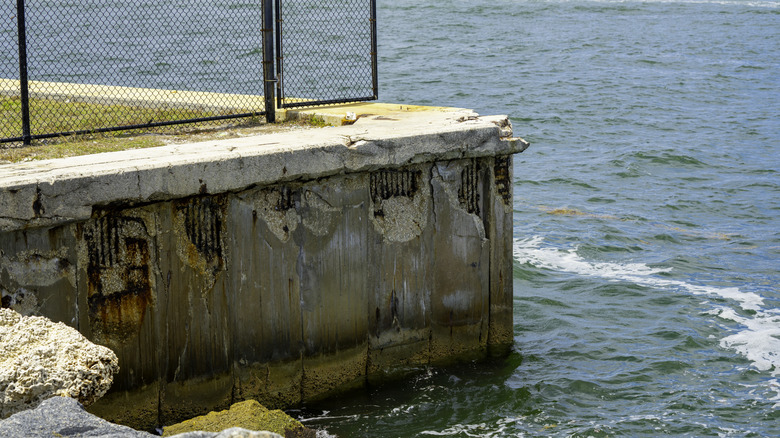
This beach restoration project is similar to other beach nourishment efforts that have been done around the world. Beach nourishment is a change from past erosion control projects that involved hardening shorelines with seawalls and levees. Over time engineers have learned more about how shorelines function and found that these kinds of structures interfere with water currents and can cause unintended erosion in nearby areas. Hardening projects also tend to be more expensive to install and maintain than nature-based solutions like adding sand to a beach. At the same time, projects like this aim to preserve the look and feel of the original shoreline.
While beach nourishment is effective at restoring coastlines, it isn't a permanent solution. Sand that is added to a beach will eventually be pulled away as was done following a prior beach nourishment in this region in 2010. Changing climate conditions and rising sea levels in the future could dramatically increase coastal erosion in Portugal and elsewhere. Managing erosion will require adapting to changing conditions, constant monitoring, and careful planning of restoration work. But for now Portugal has managed to wind back erosion in a popular tourist spot by moving 2 million tons of sand.