

Why Being A Marine Biologist Is Even Riskier Than You Thought
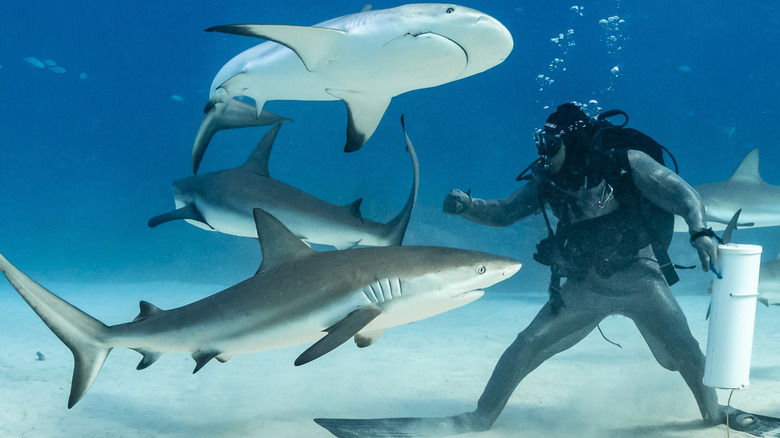
Many budding scientists dream of being a marine biologist — the thought of gliding through the crystal clear water of the Great Barrier Reef makes it a tempting option. The reality of the job however, is a little different from the fantasy, with the ocean proving to be a challenging work environment. From animal attacks to the physical stresses of deep sea diving, this is one job where an accidental oversight can have serious consequences.
Thankfully, serious accidents in the field of marine biology are not common, but this is due to strict safety protocols to keep scientists safe, rather than a lack of danger in the first place. Confrontations with marine life are one of the most obvious risks that spring to mind, but it may not always be the obvious predators that pose the most danger. The type of stingray that killed Steve Irwin is an introverted fish, usually shying well away from humans by burying itself in the sand. Irwin was incredibly unlucky, as the stingray barb struck his heart, causing a fatal cardiac incident.
Whales, dolphins, and sea urchins can all cause harm to humans, especially when the unpredictable environment of being underwater with heavy equipment strapped to your back means that reactions can be very different than on dry land.
Diving is a danger in itself
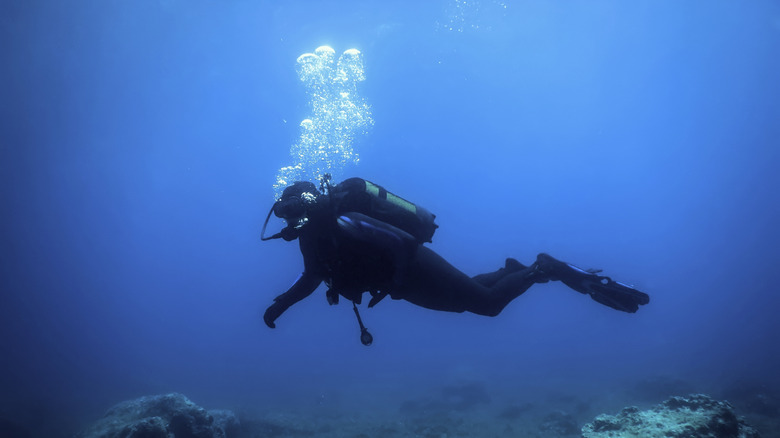
Sharks and jellyfish may give many a fear of exploring underwater, but diving is a dangerous activity in its own right. Unlike similar research work on land, any faults with diving gear can create a life-threatening emergency, one which the scientist needs to deal with calmly and quickly if they are to survive.
Even without malfunctions, which are less likely in such a controlled environment, decompression sickness, known as "the bends" is a common condition caused by returning to the surface too quickly when scuba diving. The nitrogen from the compressed air the diver is breathing dissolves in their blood while they are deep underwater. If they come back up quicker than they should, the nitrogen forms bubbles that can cause severe pain, and in very rare cases, decompression sickness can even cause death.
Significant training is provided to marine biologists before they take part in underwater research, meaning that the risks are lower than to the general diving population. However, there is still a real risk of something going wrong, compared to examining specimens in a regular lab.
Not all occupational dangers are easy to see
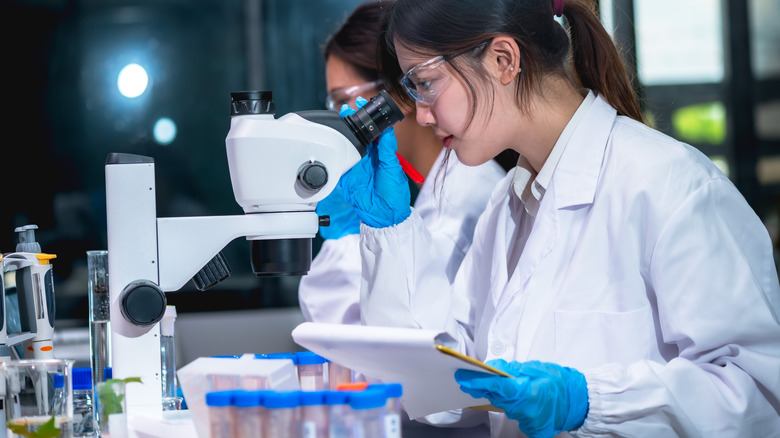
It is not difficult to imagine the damage a tiger shark could do in a deep water encounter, but the tiniest organisms of the ocean can often cause even greater issues. Not all marine biologists are examining beautiful clear water as seen in the movies, and depending on the source of the water, there could be biohazards and harmful microbes that are difficult to detect. While diving gear should protect a diver for the most part, any breach can allow scientists to be exposed to toxins, and collecting samples means that hazardous material can end up in the lab, too.
Once in the lab, there are further dangers that marine biologists can be exposed to. Formaldehyde, for example, is a known carcinogen that is commonly used to preserve samples, and great care must be taken to limit exposure. Personal protective equipment like gloves, aprons, and goggles in the case of formaldehyde, is a critical element in reducing the risk to biologists working with samples in the lab.
The job of marine biologist may seem like one of adventure and discovery, but the theoretical risks involved should be considered by those pondering it as a career. Most marine biologists stay safe by respecting the ocean and its inhabitants, and following strict safety protocols to keep them protected both underwater and on dry land.