

Drinking Protein Shakes Could Have An Unexpected Effect On Your Health

If it seems like there's constantly new brands of packaged protein products you're seeing at the grocery store or online, you are certainly not alone. Protein is a trending nutrient thanks to increased attention in recent years, and many food-product companies are chasing the trend. This includes new types of protein shakes, as well as other protein-infused products, such as bars, cereals, and even chips. While a diverse diet full of whole foods and fiber-rich sources is preferable over packaged items, it's admittedly hard to resist the convenience that protein shakes have to offer. The problem is that not all protein shakes are created equal, and some may have unwanted ingredients that could counteract any of the nutritional benefits offered. On top of all this, not everyone truly needs to supplement their diets with protein shakes.
As one of the three essential macronutrients, the main purpose of protein is to help the human body make new cells and repair old ones. While meats and animal products like milk are common sources of protein, there are also many plant sources to choose from, including legumes, whole grains, and even certain vegetables. Despite the variety of protein sources available, many people turn to protein shakes. Whether it's ready-to-drink protein shakes or powders you mix with liquid, these are regarded as supplements that may help to increase daily protein intake. These shakes are popular among athletes, adults trying to prevent loss of muscle due to age or weight loss (such as those related to the Ozempic muscle loss phenomenon), and anyone who thinks they might be deficient in protein.
Some protein shakes may have unwanted additives and toxins
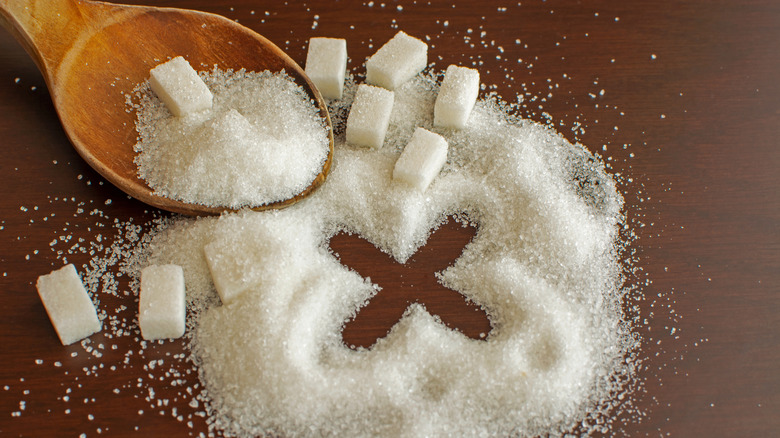
The exact protein content of protein shakes can vary, with many containing anywhere from 10 to 30 grams per serving. Depending on the brand, the source of protein may come from plants, or perhaps milk or whey. Some protein products may contain added vitamins and minerals. While all of this can make protein shakes seem like a sound option for a balanced diet, not all shakes are really as healthy as they seem. For starters, some types may contain added natural sugars or artificial sweeteners (which have their own risks and benefits), which might reduce or counteract the health benefits of the supplement.
Some protein powders may even contain traces of pesticides, contaminants, and heavy metals. Such findings are outlined in a report conducted by the Clean Label Project, which analyzed more than 160 different protein powder supplements, and they discovered that some contained significant levels of arsenic, cadmium, lead, and mercury. While some had just traces of these potentially harmful toxins, others contained much more. As for the reasoning behind these harmful substances, it's thought that both contaminated soils and manufacturing processes could be to blame.
Aside from consuming protein shakes on a moderate basis, you may even consider the Clean Label Project's designated "clean" or "certified" products to help you decide which brand to choose. It's also important to read product nutrition labels to help you make the healthiest choices possible. The Mayo Clinic recommends avoiding a protein shake that exceeds 200 calories, 2 grams saturated fat, and 5 grams added sugars. Ideally, the supplement should also offer 15 grams of protein or more, says Tallahassee Memorial Healthcare.
Possibility of too much protein if you don't need these supplements
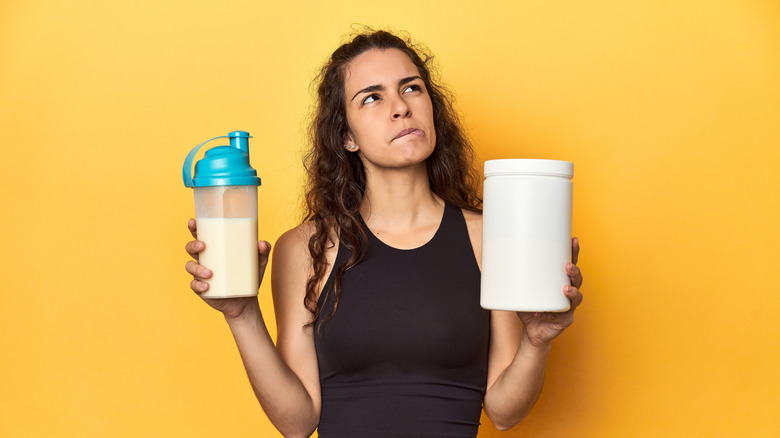
Protein shakes can serve a very real purpose of helping adults get more protein when their dietary intake is considered low. Such products may also help achieve the traditionally recommended 0.8 grams per kilogram of bodyweight (or 10% to 35% of their daily calories' worth). You might also need up to 1.2 grams per kilogram if you're between the ages of 40 and 50 to help prevent age-related muscle loss, says the Mayo Clinic, and some athletes might need even more than this.
The problem? Most people are not actually protein deficient. According to Johns Hopkins Bloomberg School of Public Health, the average American gets about 1 gram per kilogram of body weight every day, which is well within the recommended daily allowance. Getting more than 2 grams per kilogram a day is considered excessive, and may even increase your risk of developing kidney stones. Such facts are worth considering before adding a protein shake to your own daily routine.
Another issue is protein quality. If you're relying on chemical or sugar-laden protein shakes over a balanced diet, eating more protein will not automatically help you achieve better health. This is especially true if your diet lacks fiber, healthy fats, complex carbohydrates, and essential micronutrients. It's always best to talk with a health care professional or dietitian if you're concerned about your protein intake. They can help determine your individual protein needs while also recommending specific protein shake brands if they deem these necessary.