

Long-Term Side Effects Of 'Fat Burner' Supplements That Aren't Widely Discussed

In the world of supplements, it seems like there's a product to address virtually almost every health concern. Thermogenic fat burners are one example. Not only are dietary supplements not required to go through an FDA approval process before they're sold to customers, but they also pose the risk of serious health consequences in some users. In particular, certain fat burner ingredients have stimulating effects that may pose long-term side effects involving your cardiovascular system, as well as your liver and kidneys.
The exact ingredients can vary by product, but the thermogenic (or "heat producing") effects of these types of supplements are attributed to certain stimulants that raise your metabolic rate. The hope is that with an increased metabolism, one might burn extra calories that may possibly induce body fat loss. Caffeine is a common stimulant used in fat burners as are yerba mate, green tea extract, and yohimbe. Some fat burners may contain a range of other ingredients, too, which can make it challenging when assessing overall safety.
Nevertheless, thermogenic fat burners may pose some serious risks, particularly when taken in high doses. In the short-term, the effects of caffeine and other stimulating ingredients can make you feel jittery and anxious, and you might have some difficulty with insomnia. Yet some thermogenic fat burners might pose more dangerous adverse effects in some users in the long-term — some of which may be irreversible. On top of all this, the overall efficacy of such products is questionable. It's always important to exercise caution and speak with a healthcare professional before taking any herbs or supplements, but especially fat burners.
Thermogenic fat burners can place stress on the cardiovascular system

Many thermogenic fat burners contain stimulants or stimulant-like ingredients to increase your resting metabolic rate. In turn, this process also raises both your heart rate and blood pressure. While not always harmful in the short-term, a chronically elevated heart rate can lead to issues with arrythmias, and may also increase the risk for heart attack and stroke in the future (this may also accelerate your risk for a heart attack as you age).Increased blood pressure from fat burners may even raise the risk of developing high blood pressure (hypertension). Your own risk may be greater if you have pre-hypertension, or have other risk factors for developing hypertension more generally (some of which may be in your DNA). There have even been reported cases of cardiomyopathy (weakened heart) and ventricular tachycardia (irregular heart beat) with certain weight loss supplements.
Yet it's difficult to assess the exact long-term risk of cardiovascular-related side effects from thermogenic fat burners, partly because the ingredient profiles vary so greatly between brands. More research is needed to determine whether fat burner supplements are directly linked to future cases of heart disease and hypertension. The greatest predictor of future issues is your own personal health history. If you have a preexisting heart problem or hypertension, a doctor will likely advise against using thermogenic fat burners, as these can worsen such conditions.
Fat burner supplements may also lead to liver and kidney damage
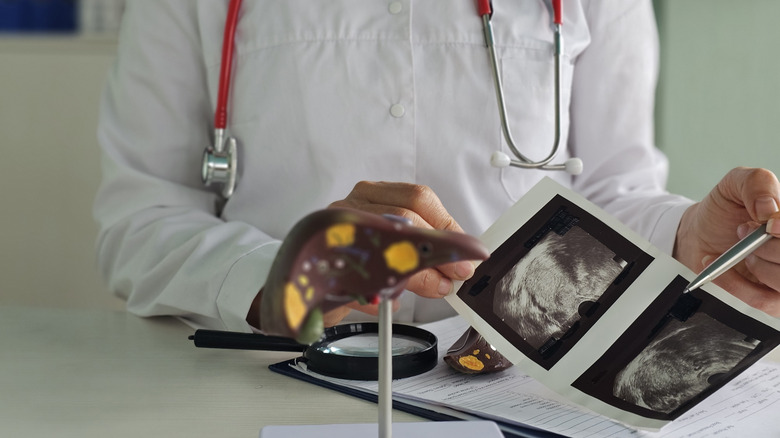
Another potential risk of fat burners is hepatotoxicity, a type of liver damage induced by supplements, medications, and chemicals. One such case was reported in the Canadian Journal of Gastroenterology and Hepatology, where a woman required a liver transplant due to significant injuries sustained by a fat burning supplement. In this particular instance, the supplement in question contained a combination of green tea and guggul tree extracts, as well as usnic acid. Here, the authors noted that while usnic acid has a reputation for inducing liver injuries, the safety profile of green tea and guggul are less certain.
Overall, weight loss formulas are considered the most common types of herbs and supplements implicated in hepatotoxicity, per the Journal of Clinical and Translational Hepatology. While some instances of hepatotoxicity have short-term onsets, the consequences of liver damage can be experienced long-term. Some patients have even required liver transplants as a result of damage endured from weight loss supplements.
Possible organ damage from fat burners isn't exclusive to the liver, though. Herbal supplements can place stress on the kidneys as well. Caffeine and other stimulants in fat burners can possibly lead to substance-induced kidney damage (nephrotoxicity), especially when taken regularly. While a daily cup of coffee may not be a concern, high-dose caffeine supplements could make your kidneys work harder due to dehydration. In severe cases, nephrotoxicity can lead to chronic kidney disease (CKD), and even kidney failure. Supplements are also considered potentially dangerous for people who already have CKD.