

Science Explains How Your DNA Can Predict High Blood Pressure
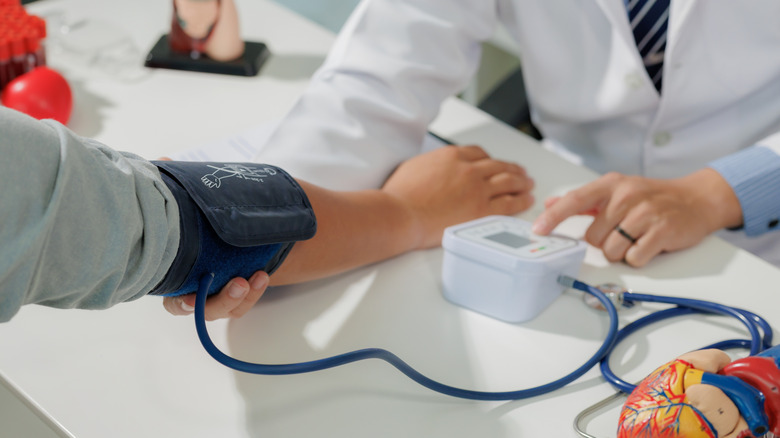
High blood pressure (hypertension) occurs when the blood flow in your arteries is consistently at a pressure that's considered above normal. While blood pressure can fluctuate from time to time based on factors such as exercise or illness, consistent systolic and diastolic readings that are above 130 mmHg and 80 mmHg respectively can indicate hypertension. Hypertension is also extremely common, with the National Heart, Lung, and Blood Institute (NHLBI) estimating that about half of adults in the U.S. have this condition. On top of this, about a third of those who do have high blood pressure don't even know it, as it's considered a "silent killer" until complications develop. A hypertensive emergency occurs when your blood pressure exceeds 180/120 mmHg, and it can cause symptoms such as shortness of breath, chest pain, and vision changes. In general, it's possible to decrease your risk of hypertension and its complications with certain lifestyle changes, but there may be other risk factors found in your DNA, too.
Anyone can develop hypertension, and an estimated 95% of all cases do not have a specific known cause. Also known as "essential hypertension," such cases can also be hereditary. This means that if you have a parent or other close relative with this condition, your chances of developing it yourself are greater. While you might already be aware that high blood pressure runs in families, specific genetic variations might also reveal an individual's risk. Despite the presence of certain genes and your DNA (8% of which isn't actually human), it is still possible to decrease your overall risk of hypertension with a combination of awareness and changes to risk factors that are in your control.
Connections between genetics and high blood pressure

Genes contain DNA that all carry specific traits that make up who you are. The human genome has nearly 20,000 genes, with two of each type of gene, one inherited from each of your biological parents. Not only can genes dictate physical features, such as your hair and eye color, but they can also determine whether you might develop certain health conditions. Such is the case with high blood pressure.
Scientists have identified at least 100 genetic variants in people that are associated with essential hypertension, but any exact cause-and-effect is not clear. Separately, there are rare forms of hypertension that stem from genetic disorders inherited from your parents. Examples include Liddle syndrome, pseudohypoaldosteronism type 2, and familial hyperaldosteronism. Such genetic mutations can alter the way the body balances salts and fluids, which can subsequently lead to increases in blood pressure.
If you have a strong family history of high blood pressure, or if you already have this condition, you might ask a clinician about possible genetic testing. This can help to identify specific gene variants and improve treatment outcomes by matching you with the best medications. Aside from genetic testing, it's still a good idea to get your blood pressure checked annually at minimum. A healthcare professional might also recommend at-home monitoring if you do have certain risk factors for hypertension. For the best results, try to check your blood pressure at the same time of day, and not after a strenuous workout or during times of high stress.
Other risk factors for high blood pressure development

Aside from genetics, there are other well-established risk factors for high blood pressure development. A poor-quality diet and consuming too much sodium can increase hypertension, as can a sedentary lifestyle. Smoking, not getting enough sleep, and long-term stress can contribute, too. Too much caffeine and alcohol are also associated with hypertension, as well as certain medications that naturally increase your blood pressure, such as nonsteroidal anti-inflammatory drugs (NSAIDs) and decongestants. The good news is that, unlike your DNA or age, such risk factors can be modified to help reduce your overall hypertension risk. Do not wait to make these types of heart-healthy changes until symptoms arise, as hypertension itself does not cause any noticeable symptoms until it's become more severe.
In the long-term, a healthy blood pressure can help reduce the risk of developing serious conditions, such as heart attack, stroke, and kidney disease. At the same time, some chronic conditions can also worsen existing blood pressure problems, or even increase your risk for hypertension development. To that end, it's recommended you talk with a doctor about your blood pressure risks if you have certain conditions such as chronic kidney disease, metabolic syndrome, thyroid disease, and obesity. Managing these conditions could also possibly reduce your lifetime hypertension risk. The bottom line? The earlier hypertension is detected, per new updates to the American Heart Association's blood pressure guidelines, the earlier it can be treated to mitigate associated risks.