

Eight Percent Of Your DNA Isn't Human - Here's Where It Comes From
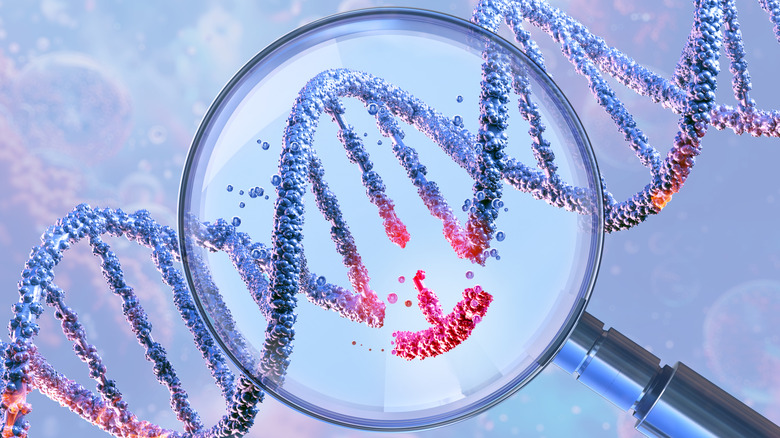
To say that the human genome is full of information would be an understatement. A single cell is packed with a 6-billion-letter code inside of a strand of DNA, acting like an instruction manual for that cell and revealing details to scientists. For instance, DNA tests reveal stunning insights into ancient Mayan ritual sacrifices, mainly that it involved only males instead of females. And on top of that, DNA sequencing and analysis published in Nature found that 8% of the human genome is made up of human endogenous retroviruses (HERVs).
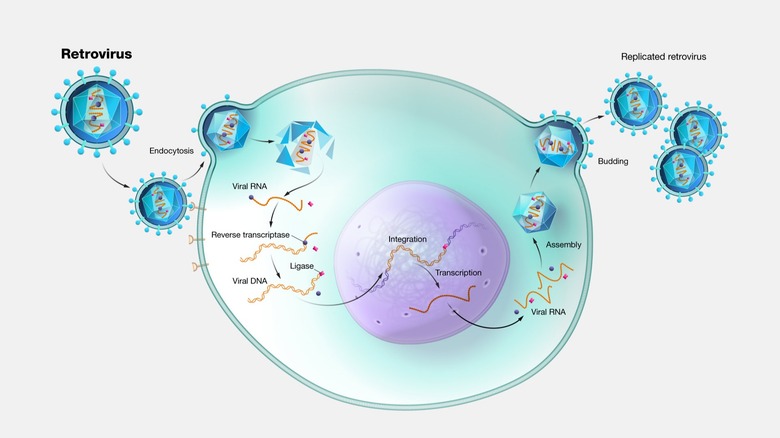
Retroviruses are viruses that use ribonucleic acid (RNA) instead of DNA for genetic material — a key difference between a retrovirus and DNA virus. When cells are infected with retroviruses, they convert the retroviral RNA into DNA, which becomes part of the host cells' DNA. Then, the cells replicate the retroviruses, and the cycle continues. Some of these primitive retroviruses have infected egg, sperm, and other germ cells, allowing them to become part of the human ancestral genome and be passed down through the generations.
So essentially, HERVs are scraps left over from ancient infections that infiltrated the germ line of primates 100 million years ago. And according to a study published in Retrovirology, about 30 HERVs have been detected in humans today.
What ancient retroviruses in the genome mean for human health
HERVs are kind of a double-edged sword because, after taking on the permanent characteristics of DNA and being passed down through generations, they can influence human health for better or worse. According to research published in Nature and Nature Genetics, the benefits play a role in the early development of human embryos (perhaps fighting viruses) and the function of the placenta during pregnancy, respectively. Other studies published in PLOS Biology and Science suggest that some HERVs have helped the immune system evolve to defend against modern viruses that try to infect human cells.
Despite these good things, the presence of HERVs poses a significant risk when it comes to human diseases, triggering severe pathological responses when they're reactivated or awakened. Research published in the Computational and Structural Biotechnology Journal and Frontiers in Immunology detail that abnormal HERV expression could be behind the development of autoimmune diseases, such as lupus and multiple sclerosis. Additionally, links have been established between HERVs and the progression of neurodegenerative conditions and cancers — such as leukemia, lymphoma, and melanoma — by studies published in Biomolecules and Retrovirology.
Some scientists continue to explore whether or not they can use HERVs as biomarkers to identify cancers and diseases. Meanwhile, various areas of research, like that published in the Journal of Virology and MedComm, suggest that figuring out how to deactivate or silence HERVs can lead to innovative treatments.