

You've Been Warned: A Tooth Infection Can Kill You. Here's How It Happens

When you think of an infection, your first thoughts might be a respiratory infection, or perhaps one that develops on your skin from an open wound. Almost every area of the body can be vulnerable to bacterial infections — including your teeth. And just like other types of bacterial infections, those that affect a tooth can be deadly when they are left untreated due to sepsis and other fatal complications.
The exact mortality rate of a tooth infection varies, but these cases are considered very rare overall. Early detection and treatment of dental infections has led to improved prognoses over the last century. As StatPearls notes, dental infections posed a mortality risk of anywhere between 10% and 40% in the early 20th century alone. In the modern era of dental and health care though, there are some estimates that just 5 to 10 people die from tooth infection complications in the U.S. each year. One longitudinal study from 2013 also noted that tooth infections claimed 66 lives within a nine-year period. Regardless of the rarity of death by tooth infection, it's important to seek medical help for any concerning dental symptoms to prevent such outcomes.
How does a tooth get infected, and what does it look like?
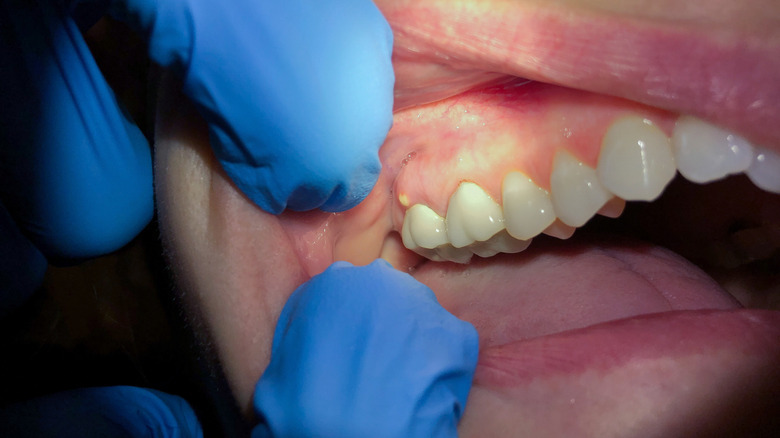
A tooth infection specifically involves bacteria that gets inside of a tooth and affects the inner pulp, usually via a crack or cavity. Over time, the infection can also create a pus-filled pocket outside of the tooth called an abscess. One of the most common types of tooth infection–related abscesses is called a periapical abscess, which creates a pocket full of pus around the tip of the affected tooth root.
The exact timeline for a tooth infection depends on its underlying cause. Many tooth infections from pre-existing tooth decay and other dental problems are minor at first, and are slow-developing. For these reasons, the infection might be mistaken as a benign toothache at first. However, a traumatic injury can cause bacteria to enter the center of the tooth pulp much quicker, and lead to faster-developing infections. Possible examples include cracked teeth from a fall, automobile accident, or a sports-related injury.
Depending on where the infected tooth is located in your mouth, you might not be able to see signs of a problem. However, infected teeth do cause noticeable symptoms, particularly when an abscess develops. Initially, these can include pain around the tooth that extends to the side of your mouth, jaw, and neck. Such pain is often more noticeable while eating and drinking. As the infection worsens, it's possible to experience swelling around your face and an unexplained foul odor from your mouth. A fever and swollen lymph nodes are also possible.
What happens when a tooth infection goes on without treatment

Dental abscesses and their underlying infections will not go away on their own. Not only must a dentist drain the abscess, but the affected tooth will likely require a root canal or removal. Antibiotics may be prescribed to help get rid of the infection at the site of the tooth, as well as other areas to which it has spread.
The longer a tooth infection goes on without treatment, the higher the risk that life-threatening complications can develop. A periapical abscess can spread from the tooth root to other areas of the mouth, neck, and head, leading to further infection. Possible deadly complications include an abscess in the brain, bone infection, a blood clot in the sinuses, and inflammation of the lungs and heart. Endocarditis (inflammation of the inner lining in the heart) is more likely in people with preexisting heart valve conditions. Also, while your immune system does a lot to protect your body from infections, serious infections can cause an overreaction that leads to sepsis. Such reactions are also possible with sepsis from serious, untreated tooth infections.
These complications underscore the importance of seeing a dentist any time you have signs of a possible tooth infection. Since teeth are more vulnerable to infection when other types of dental issues are present, it's critical to keep tabs on your oral health with regular dental visits, along with daily brushing and flossing. (As a refresher, here are some of the gross things that can happen when you stop brushing your teeth.) Any sudden, acute symptoms of a dental infection may require emergency treatment. Such is the case with sudden tooth pain with facial swelling, fever, and breathing or swallowing difficulties.