

Not Anxiety, Not Depression: This Health Issue Is Increasing In Gen Z And Millennials

Colorectal cancer is on the rise in the United States, but not among the age group you might expect. Compared to the baby boomer generation, Millennials and Generation Z have approximately double the risk of developing colon cancer and four times the risk of developing rectal cancer. And within recent years, that risk has increased by around 3% annually for young adults. Today, the average American born in 1990 has about twice the chance of receiving a colon cancer diagnosis compared to the average American born in 1950. Scientists are scrambling to find the cause, but so far, there's no singular "smoking gun" reason. Instead, scientists theorize that a slew of factors are to blame, including the rise of ultra-processed foods, microplastics, and sedentary lifestyles.
Surprisingly, Generation Z and Millennials don't engage in several of the lifestyle choices that increase colon cancer risk. For example, drinking and smoking rates are down, even as the Gen Z 'epidemic' of loneliness, depression, and anxiety are up. But it seems their positive physical health choices are outweighed by their poor food choices. One of the biggest risk factors for colorectal cancer is a diet low in fruits and veggies. Surveys suggest around 80 to 90% of Gen Z'ers don't consume the daily recommended value of fruits and veggies, both in the United States and the U.K.
Diets of fresh fruits and veggies have been widely replaced by ultra-processed foods (UPFs), such as fast food, packaged snacks, and ready-to-eat frozen dinners. For a long time, scientists have been aware of the link between UPFs and cardiovascular disease, making them among the unhealthiest foods for your heart, and recent research has suggested a connection between UPFs and colorectal disease, as well. For instance, in a 2026 study from Harvard, researchers found that higher ultra-processed food intake corresponded with higher rates of early-onset precancerous colorectal growths.
More plastics than ever and less movement than ever
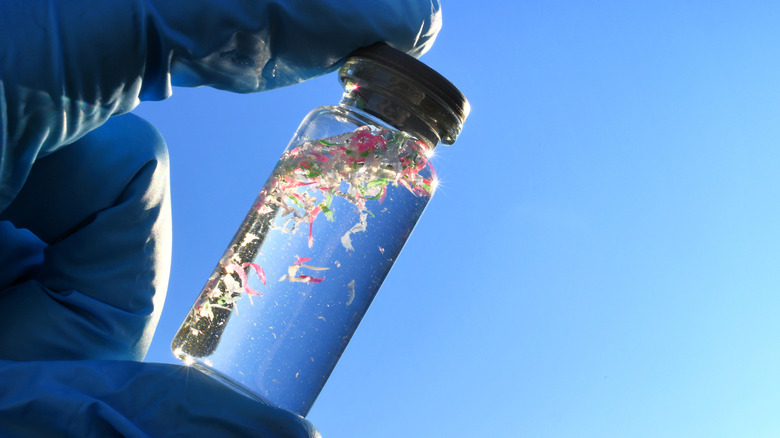
Although the rise in colon cancer among young adults is still a mystery, it's clear that Gen Z and Millennials are suffering from poor gut health. The aforementioned ultra-processed foods don't help, but neither do the microplastics and other man-made chemicals that leach into our water, food, and bodies. Baby boomers remember milkmen delivering their morning supply in reusable glass bottles; Millennials and Generation Z grew up drinking and eating out of plastic containers. Even Ziploc bags may contaminate our food with microplastics.
A direct connection between microplastics and colorectal cancer has not been established, but there are a few hints. The suspicion rises from recent research that has shown plastic's role in increased inflammation and DNA damage, both secondary risk factors for cancer. One study even found that certain tumors contain higher concentrations of microplastics compared to the surrounding tissues. Most damning of all, some studies have shown how microplastics damage stomach and intestinal linings, which disrupts gut health. And because alterations in the gut microbiome have been linked to colorectal cancer risks, the role of microplastics in the rising rates among young adults appears highly likely.
The "old-school" baby boomer habit of spending one's youth playing outdoors has also fallen out of favor and been replaced with sedentary lifestyles among today's younger generations, another major risk factor for colorectal cancer. Within the last 10 years, numerous studies have confirmed the link between sitting for hours at a time and colorectal cancer, and the generation-defining Covid-19 pandemic helped keep young adults in their chairs. But whatever the exact mechanisms behind the rise in colorectal cancer among young adults may be, it's clear that Millennials, Gen Z, and younger generations are treading uncharted territory with their gut health.