

You Should Think Twice Before Brushing Your Teeth After Every Meal
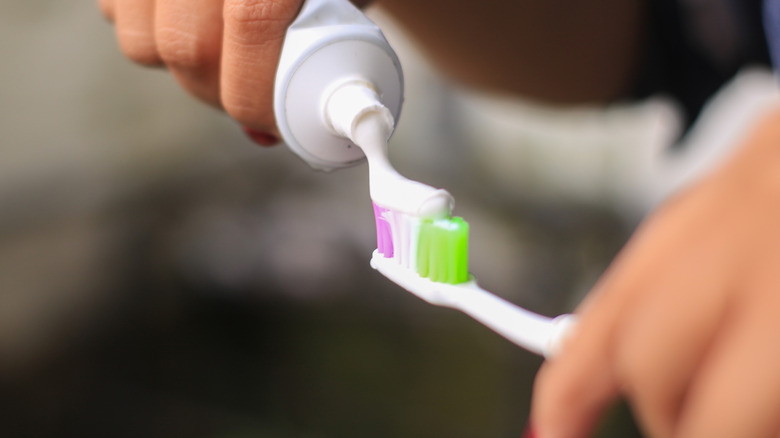
While you may know the old rule about brushing your teeth twice a day, sometimes this just doesn't feel like enough. For some people, it's common to feel like you need an extra brushing session here and there. Others might have the urge to brush their teeth after all meals for their mouths to truly feel clean. Yet brushing after every meal may not be the best idea when it comes to your tooth enamel, as brushing too soon after consuming acidic drinks and foods can contribute to permanent tooth erosion.
Potential enamel damage from brushing one's teeth has to do with a combination of acidic beverage and food consumption, along with brushing too soon. Whenever your teeth come into contact with these types of acids, the enamel temporarily softens. Brushing too soon before the enamel has a chance to harden again can actually remove it from your teeth. Doing so also doesn't allow saliva a chance to naturally wash some of these acids away.
When considering acidic beverages and foods, coffee, wine, and citrus fruits are not the only common culprits here. Other potentially problematic sources include carbonated beverages, tomatoes and tomato products, fruit juices, and even dried fruits. The acidity of soft drinks is yet another important consideration, especially if you consume these items regularly. Fluoride in toothpaste can provide a protective layer for your tooth enamel against such acidic products if you brush well ahead of your meals, but this will do little to protect softened enamel if you brush too soon afterward.
Is it ever safe to brush your teeth after a meal?
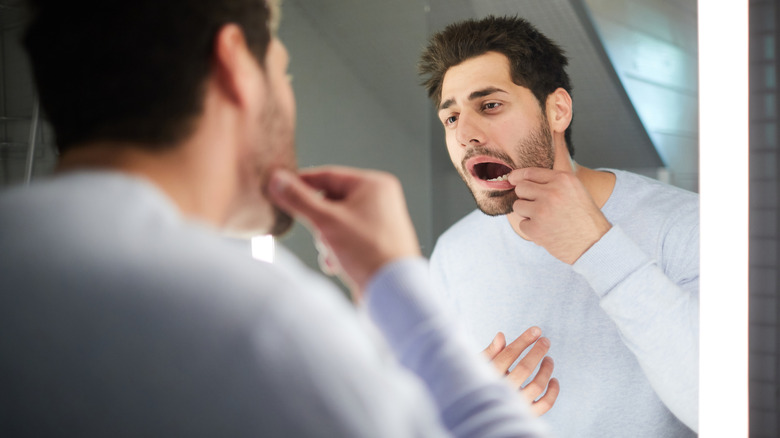
While brushing before the first meal of the day makes sense for many people, this isn't a hard rule in dental health. The more important aspect is timing. If you prefer brushing your teeth before breakfast, wait 30 minutes before drinking or eating anything. On the other hand, if you prefer getting your teeth nice and clean after breakfast, the American Dental Association recommends waiting to do so at least 60 minutes after your last bite of acidic foods, as well as any last drop of coffee or fruit juices.
For those who might be tempted to brush after every meal, there are safer alternatives to consider. Rinsing your mouth with plain water is one option, and you can even finish your meals with a glass of dairy milk to help neutralize acid. Drinking water with acidic beverages like coffee can also help protect your tooth enamel by diluting some of these acids. Yet another option is to chew on a stick of sugarless gum to promote more protective saliva in your mouth.
Overall, dental organizations stand by the twice-a-day rule for brushing your teeth. If you're often on the opposite side of the spectrum and brush your teeth just once a day, however, know that this isn't adequate enough to get rid of germs and plaque. Not brushing twice a day also increases the risk for tooth decay, cavities, and gum disease. (And, in case you're wondering, here's what gross things can happen if you stop brushing your teeth for a week!). In addition to brushing twice daily, you can ensure better long-term oral health by using a toothpaste containing fluoride to help strengthen your enamel and flossing once a day.