

Long-Term Side Effects Of Caffeine That Aren't Often Discussed

Caffeine is undoubtedly one of the most debated substances in beverages and foods. As a naturally occurring stimulant, it is coveted for helping with mental alertness and physical performance, which is why you might find it in a variety of items such as "fat burner" supplements and sodas. Side effects of caffeine are usually mild, and can include jitteriness, increased urination, and facial flushing. However, too much caffeine (especially on a regular basis) can increase the risk of certain long-term effects it's important to be aware of, particularly if you have preexisting conditions. These include certain gastrointestinal (GI) problems, worsening anxiety and insomnia, dependence, and even adverse heart effects in some cases.
When you consume caffeine, your brain experiences the stimulating effects rapidly. Yet you might wonder whether caffeine is bad for your GI system. Caffeine doesn't damage the GI tract, per se, in fact its can help some people with regular bowel movements. However, if you have preexisting GI problems, caffeine can stimulate excess stomach acid production, and possibly relax your lower esophageal sphincter. This in turn may aggravate issues such as acid reflux, heartburn, and ulcers. The bowel-regulating effects of caffeine can also worsen irritable bowel syndrome because of the way it increases contractions within your colon.
Caffeine can worsen anxiety disorders and insomnia
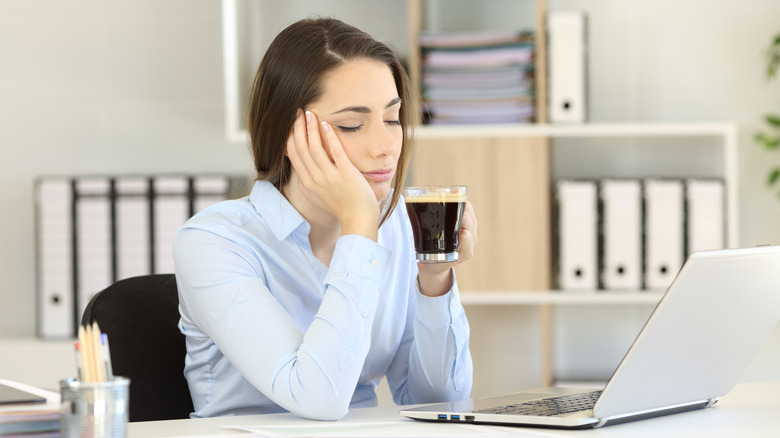
Your brain on a caffeine buzz is connected with both anxiety and insomnia. Overall, caffeine may lead to irritability and restlessness if you are sensitive to caffeine. Given its stimulating effects on the central nervous system, too much caffeine can also cause anxiety in some people. High-caffeine sources such as supplements and energy drinks carry a greater risk. Not only might you feel more irritable, but caffeine's ability to temporarily increase your heart rate and respiratory rate can worsen symptoms of anxiety. What's more, children are more sensitive to these effects due to their smaller body sizes.
It's no secret that consuming too much caffeine later in the day can interfere with your ability to sleep at night. For some people, this creates a vicious cycle in which they consume too much caffeine the day after a poor night's sleep, only for the substance to make it hard to get good rest. There's also some concern about the long-term effects of caffeine in people experiencing ongoing insomnia. Chronic sleep deficiency not only impacts your mood and productivity, but it can also increase your risk of developing heart disease, metabolic disorders, and high blood pressure (hypertension).
Possible heart and dependency issues associated with caffeine

Another long-term consequence of caffeine is dependency. If you're like many people who drink coffee or tea in the morning, you might look forward to this daily ritual. But in some cases, this seemingly harmless habit can develop into full-blown dependency. This is known as caffeine use disorder. The risk is greatest in people who consume large amounts of caffeine over a long period of time. Those trying to cut back may experience significant withdrawal symptoms, including anxiety, headache, and fatigue.
Moderate caffeine consumption is safe for most people, but it's not recommended for everyone. For those with preexisting heart conditions, it's good idea to talk with a healthcare professional about the types of caffeine you consume, as well as how much. In July 2026, the American Heart Association issued a statement that said while moderate coffee consumption may offer heart-healthy benefits, energy drinks could have the opposite effects. The temporary increases in blood pressure from caffeine can also be problematic in cases of hypertension. Furthermore, research published in 2024 in Heart Rhythm found a strong association between sudden cardiac arrest and energy drinks. While more research is needed, anyone who consumes energy drinks on a regular basis ought to be aware of the way these products affect both heart rate and blood pressure.
It's important to talk with a doctor if you're worried about your caffeine intake, and if there are any other health concerns about caffeine consumption. They can also help you with ways to reduce the effects of caffeine on your body.