

You Should Think Twice Before Storing These Fruits And Vegetables Together
We may receive a commission on purchases made from links.
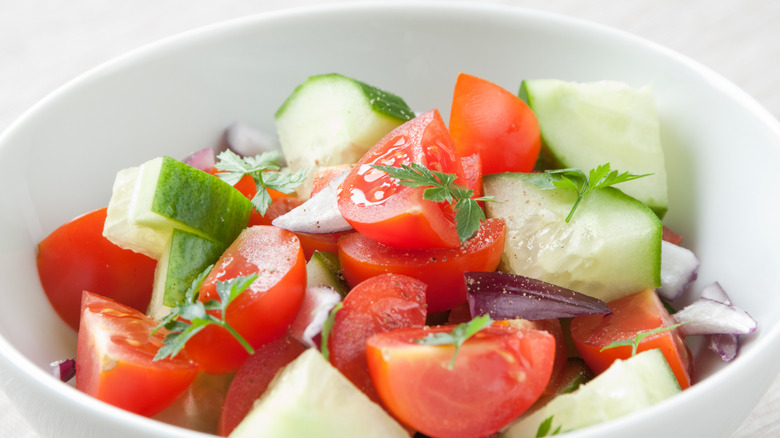
Food waste is a significant problem in the United States, with an estimated 60 million tons of food going to waste each year. Of those millions of tons of food waste, produce is the largest segment. Fruits and vegetables account for around 40% of food that's thrown away each year. There are a few ways to reduce how much produce we throw in the trash. One of these is thinking twice before storing certain fruits and vegetables together. For example, cucumbers and tomatoes can make a refreshing summer side dish, but storing them together can lead to disappointment and wasted food.
This is because of ethylene, a gas that signals fruits and vegetables to ripen. Some fruits and vegetables like apples, tomatoes, and avocados produce lots of ethylene. On the other hand, cucumbers and asparagus are extremely sensitive to ethylene. Even a small amount of the gas will cause them to quickly ripen. Storing ethylene producers with ethylene sensitive produce will lead to faster ripening and eventual spoilage in ethylene sensitive fruits and vegetables.
Keeping ethylene away from sensitive produce
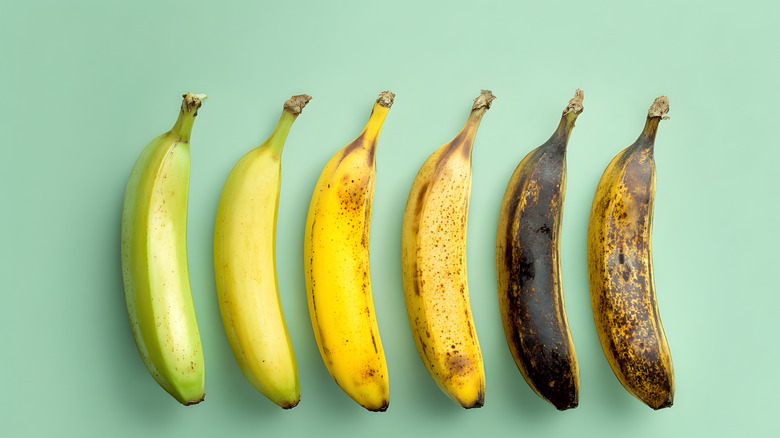
Ethylene is a colorless and odorless gas made up of two carbon atoms and four atoms of hydrogen. When fruits and vegetables ripen, they release ethylene. Some release only small amounts when unripe and produce more as they ripen. Examples of fruits that emit ethylene like this include bananas and mangos. In fact, ethylene is one of the reasons some people recommend hanging your bananas to keep them fresh. Others, like tomatoes and melons like cantaloupe, emit measurable levels of ethylene even when unripe.
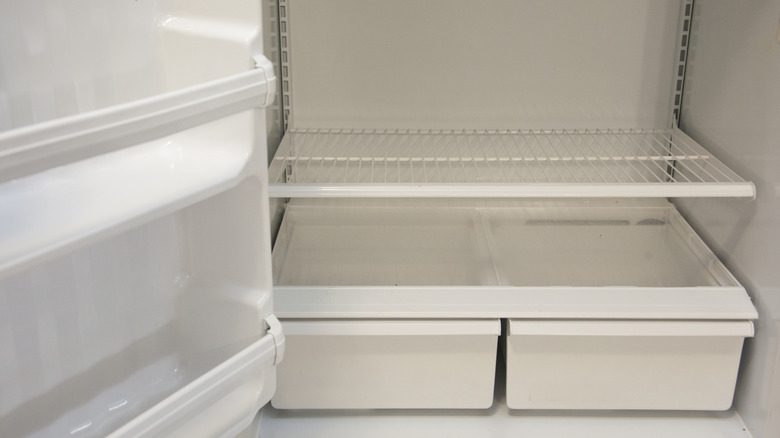
The key is to keep ethylene-producing produce separated from fruits and vegetables that are sensitive to ethylene. A simple way to do this for fruits and vegetables that need to be refrigerated is to use one of the refrigerator's crisper drawers for ethylene emitters and the other for ethylene-sensitive produce. Produce best kept at room temperature will need air circulation to keep ethylene gas from building up. In addition, while a large bowl containing several varieties of fruit may add an inviting look to your kitchen counters, you should keep a single type of produce in a single bowl to avoid ethylene cross-exposure.
Keeping things cool, but not too cool
Temperature is also a factor in how ethylene gas works with produce. Experts recommend against storing all produce at a single temperature if possible. For example, keeping the most ethylene-sensitive produce like broccoli and asparagus at a cold temperature of less than 36 degrees Fahrenheit will yield the best results. This slows respiration in the vegetables, reducing how much gas can affect them. Ethylene-emitting produce like apples can typically be stored at a slightly warmer temperature, up to around 40 degrees. This can slow ethylene accumulation while keeping fruits and vegetables from being damaged by cold. Tropical fruits like bananas and pineapples can be stored between 50 and 55 degrees.
However, this may not be possible with a typical home refrigerator, and other foods like eggs need to be cold to stay fresh. In those cases, just keeping ethylene producers away from ethylene-sensitive produce will usually be enough to decrease the odds of spoilage. However, it is possible to monitor and control ethylene levels at home. Gas detector tubes like these sold by QA supplies can spot rising levels of ethylene before they become a problem. There are also ethylene gas absorbers like these WiseFresh packets and the Fridgie produce saver that can prolong the life of produce.
Reducing food waste is important work, especially with rising grocery prices. But by keeping certain fruits and vegetables separate and at the right temperature you can have produce stay fresh as long as possible.