

The Common Muscle Recovery Myth That's Still Debated By Scientists

Fitness influencers love touting the benefits of ice baths. If you listened to many of them, you'd think that post-workout ice baths are all it takes to become LeBron James, get more shredded than peak-Arnold, or live for 200 years. The reality is many influencers make inflated claims, often for their own benefit. Most research suggests that the benefits of ice baths are modest, or they may even impair exercise recovery in some ways.
The highest quality research available suggests that ice baths may have some benefit for reducing delayed-onset muscle soreness (DOMS) between exercise sessions, but may impede muscle recovery and limit adaptations to exercise. For athletes, ice baths may be of modest benefit when the priority is to feel as fresh as possible for a match, but they may be harmful during periods of training when the goal is to improve strength, muscle size, or power. If you're primarily exercising to stay healthy, the harms and benefits of ice baths are probably negligible.
Since the findings among studies have been wildly mixed, it's difficult to understand who's right and who's wrong. Not all studies are designed equally, and individual studies with small sample sizes and no control groups are considered among the weakest. Reviews of many studies are considered much stronger, with systematic reviews that gather all available data on a subject considered the strongest studies of all. Most systematic reviews have found underwhelming results.
What research says about post-workout ice baths
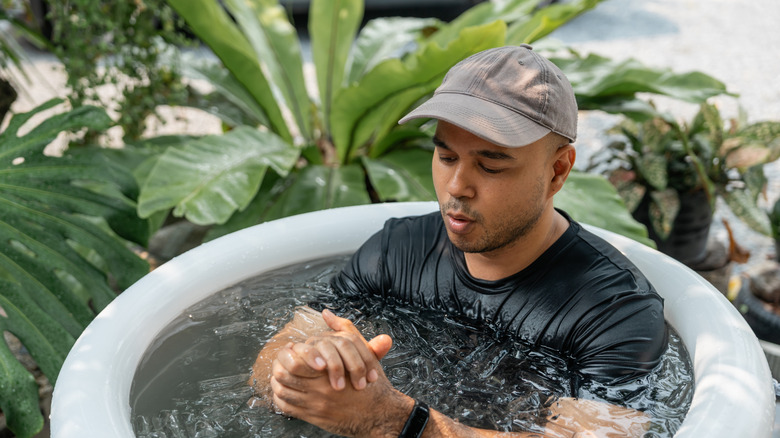
Research on the effectiveness of ice baths is mixed, and results vary depending on factors such as the specific type of recovery examined in the study, the level of training of the participants, and the temperature of the ice baths. In a 2026 systematic review, researchers examined the effect of heat and cold after exercise. They found hot water immersion may improve sleep and anaerobic performance, while cold water may inhibit power output and blunt adaptation to exercise.
In another 2026 systematic review, researchers found evidence that ice baths may reduce DOMS, improve activation of the parasympathetic ("rest and digest") nervous system, and reduce inflammation. However, they also found that ice baths may modestly impair muscle recovery and strength gains. Changes benefiting endurance may be less affected, such as blood vessel and mitochondrial structural changes. They concluded that ice baths may be beneficial when fast recovery between sessions matters most but that they should be withheld when muscle growth is the main workout goal.
In yet another recent systematic review, researchers analyzed 30 high-quality studies and found that ice baths improved biochemical recovery and subjective feelings of recovery but impeded immediate power output. The researchers concluded ice baths may be suitable for speeding up next-day recovery but should be used with caution during intervals of continuous explosive power output due to potential negative changes to muscle cell physiology.
Should you take ice baths after your workouts?
There's no compelling evidence that taking regular ice baths leads to better exercise outcomes in people who are recreationally active. Another systematic review found no change in training adaptation to five weeks of HIIT training among healthy, untrained men. The researchers concluded that they couldn't recommend cold water immersion along with training to enhance performance adaptations since it didn't appear to provide significant benefit.
Some influencers make outlandish claims about the benefits of ice baths for general health. Most of these claims are made based on low-quality evidence. In another review, the researchers found some potential benefits of cold water exposure for general health, but only 4 of the 11 studies they analyzed were high quality. The benefits included a 29% reduction in sickness among people who took cold showers, as well as improvements in sleep quality and quality of life, but not mood. It's very possible that confounding variables contributed to the results, such as people who took cold showers being more health-conscious in general.
Unless you're a high-performance athlete fighting for a fraction of a percentage point advantage, ice baths are unlikely to significantly impact your recovery from your work. If you like them, you might as well keep doing them, and if you don't like them, you're probably not missing out on much. Many factors contribute to your overall health, and even your zip code has been linked to better health outcomes. Consistency in your workouts, getting plenty of rest, and eating a balanced diet are proven staples to improve any fitness program.