

This Seemingly Healthy Food Could Have A Dangerous Effect On Your Body

For a healthy snack that is rich in protein and beneficial fats, nuts are generally a good choice. With Brazil nuts, however, caution should be taken, since a small portion has plenty of health benefits, but eating too many can actually have adverse effects on your body.
The potential danger isn't related to either fat or protein, but to one of the trace minerals contained in Brazil nuts. Selenium is an essential nutrient, contributing to good thyroid health and potentially improving the symptoms of asthma. As a potent antioxidant, it also plays a crucial role in the function of the immune system, could potentially protect against Alzheimer's disease, and may reduce cancer risk. All in all, a pretty impressive profile, but the issue with selenium is that it is only required in trace quantities, and regularly exceeding them can cause health issues.
The recommended dietary allowance of selenium is fairly low, at 55 micrograms per day for most adults, while the upper limit is 400 micrograms, according to the National Institutes of Health Office of Dietary Supplements. One Brazil nut can contain as much as 91 micrograms of the element, meaning that only one nut per day is required to meet the recommended intake, and just five nuts could take you over the maximum limit.
What happens if you have too much selenium?

Selenium is an example of how a nutrient can be crucial for good health, but dangerous if we get too much, and in the case of Brazil nuts, the excessive portion seems incredibly small. Regularly consuming too much selenium can lead to selenosis, which in extreme cases can have very serious side effects.
Initial symptoms include issues with skin, hair, and nails, including hair loss, and a metallic taste and garlic smell in the breath. As the toxicity worsens, digestive issues including sickness and diarrhea may develop too, along with joint pain and fatigue.
Severe selenium toxicity has also been associated with an increased risk of certain cancers, including the mouth and lymphoid tissue. In a study published in Science of the Total Environment in 2018, researchers investigated the long term effects of overconsumption of selenium through contaminated drinking water in Reggio Emilia, Italy. The results showed an increase in the rates of certain cancers in those who were exposed to the water. It is important to distinguish the difference in the type of exposure compared to eating Brazil nuts, however. The study looked at individuals exposed to inorganic selenium in the water, compared to the natural form found in the nuts. Other studies into selenium toxicity have mainly found issues with over supplementation, rather than consumption through food.
Not all Brazil nuts have the same selenium content
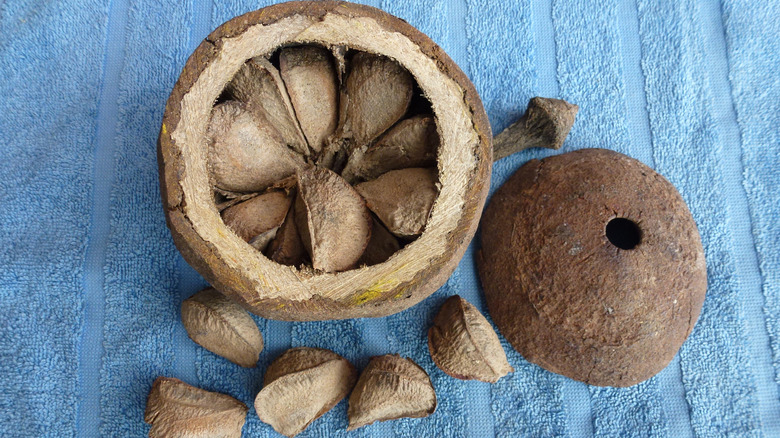
While monitoring the number of Brazil nuts you consume is a sensible measure, it is not as clear cut as it seems. Confusingly, the selenium content of Brazil nuts can vary considerably depending on the mineral content of the soil they are grown in. In a study comparing the selenium content of Brazil nuts in the Amazon basin published in Chemosphere in 2017, researchers found a huge variation in the quantities. One single Brazil nut in the Mato Grosso state provided around 11% of the recommended daily selenium intake, whereas nuts were found in the Amazonas state that contained a massive 288% of the daily intake in just one nut.
In general, the soil with the highest concentrations of selenium produced the nuts richest in the mineral, though soil with an acidic pH appeared to reduce the quantity. This makes it tricky to work out how many Brazil nuts are actually safe to eat per day, unless you are actively tracking down low-selenium versions, which is impractical.
The general advice is that one or two Brazil nuts daily is totally fine and will ensure you are getting your recommended 55 micrograms per day. While studies investigating the effects of too much selenium are generally not based on Brazil nut consumption, eating large quantities of the nuts on a regular basis is likely not a good idea, especially considering the wide variation of mineral content where they are grown. Other nuts have much smaller quantities of the trace element, so eating a variety of nuts instead of solely Brazil nuts should reduce the chance of selenium toxicity.