

Not The Heart, Not The Brain: Scientists Say This Organ Is A Quiet Indicator Of Good Health
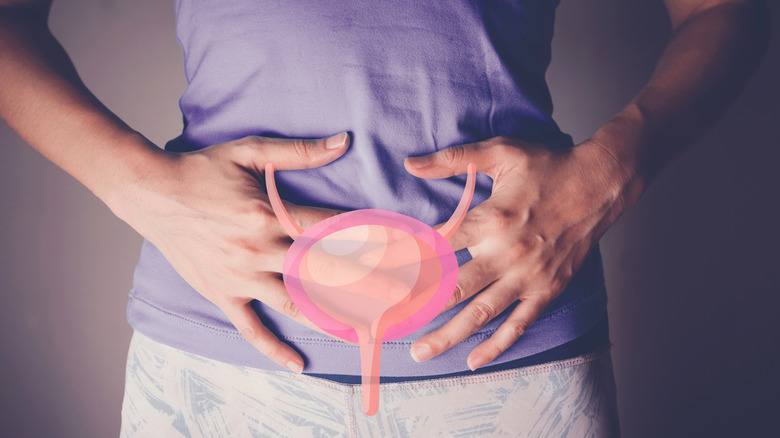
When considering important body organs that give a snapshot of your health, the heart, lungs, and liver may spring to mind. But there is another organ whose behavior is worth keeping an eye on, especially for any changes: the bladder. While you may not pay much attention to your peeing patterns, the bladder can give you subtle signals about what is going on elsewhere in your body.
The average number of times to empty your bladder is around seven or eight per day, which equates to around two pints of urine, though this can vary depending on a number of circumstances. It is normal to need to pee more frequently as you age, since the bladder loses elasticity, meaning it cannot stretch to comfortably hold as much urine as it did previously. However, if you are noticing more frequent urination and there doesn't seem to be an obvious cause, such as pregnancy or a known enlarged prostate, it may be a sign that something has changed elsewhere in the body.
One ailment for which frequent urination is a warning sign is type 2 diabetes. The increased levels of glucose in the blood puts pressure on the kidneys to get rid of it, and it often ends up in urine, along with other fluids. This causes increased thirst, which in turn causes an increased need to pee. In extreme cases, untreated diabetes can cause diabetic neuropathy, which could cause nerve damage in the urinary tract. If you notice a change in the frequency of urination you may want to see a doctor, who can test your blood glucose levels.
Warning signs that may come from your bladder

Going to the bathroom regularly means you have plenty of opportunity to look out for warning signs. Your urine should be a light yellow, straw color, and darker urine usually suggests more water intake is required. As a rule, urinating shouldn't be painful, and if it is, you may have an infection. A urinary tract infection (UTI) means that bacteria is present in the urethra, often originating in poo. There are many causes of UTIs, ranging from improper wiping after defecating and being dehydrated, to kidney stones or menopause. A shorter urethra means that women get UTIs up to 30 times more often than men, according to the Office on Women's Health.
UTIs are common, but they shouldn't be ignored. They can generally be dealt with using antibiotics, but left untreated, infection could potentially spread to the bladder and kidneys, which is a much more serious medical situation. If you experience burning while urinating, you should seek medical help promptly, to prevent an annoying minor infection from becoming more severe.
Another common issue that people often ignore is urinary incontinence. While you shouldn't regularly hold your pee in for too long, if you are leaking before making it to the toilet, there may be an underlying issue. There are many causes of urinary incontinence, ranging from overconsumption of alcohol or caffeine, to prostate cancer, Parkinson's, or multiple sclerosis. Incontinence from temporary issues can correct itself, but more serious causes will require medical intervention, ranging from pessaries to surgery.
Your bladder can give you clues about your lifestyle
In addition to signaling an underlying illness, your bladder can also give you insight into your overall health, since many lifestyle habits impact your bladder. A study published in Obesity Facts in 2020 studied the bladder habits of almost 8,000 female university students who had never given birth. They found that participants with a body fat percentage higher than 32% were 95% more likely to have symptoms of an overactive bladder than those with a lower body fat percentage.
Sedentary behavior has also been linked to urological issues, since blood flow to the pelvis is reduced, potentially weakening the pelvic muscles. Moving regularly can improve your bladder health by both improving circulation and reducing the chances of high body fat percentage. Another seemingly innocuous situation that can cause bladder issues is constipation. A 2021 study published in Scientific Reports found that constipation increased symptoms of an overactive bladder, likely due to the increased space taken up by the feces restricting the ability of the bladder to stretch.
Since similar lifestyle factors underlie both constipation and overactive bladder — such as not drinking enough fluids or alcohol and caffeine consumption — if you haven't pooped in a while, you may notice an impact on your bladder, too. Small lifestyle changes can make a two-fold difference, reducing the pressure on the bladder from compacted stool in addition to having a direct effect on the bladder. Paying attention to your bladder habits, and in particular any changes, can give you a valuable insight into your overall health.