

Eating This Protein-Rich Snack Could Have An Unexpected Effect On Your Health

When you are hunting for a healthy snack, yogurt may be one that comes to mind. Rich in protein and calcium, Greek yogurt in particular has many health benefits, and is packed with gut-loving microbes such as probiotic bacteria that remain in the yogurt after fermentation. Choosing a flavored yogurt instead may seem like a small upgrade, but the difference in nutrition can be quite substantial.
In many cases the major negative impact is from sugar. While natural yogurt does contain lactose, the natural sugar found in milk (Greek yogurt contains about 50% less since much of it is drained off) many flavored yogurts also contain added sugar to make them taste more appealing. The danger is that individuals may still believe they are having a healthy snack rather than a sugary one, and focus on the health benefits that come from the yogurt itself.
A study published in Current Developments in Nutrition in 2019 by Coyle et al. analyzed the sugar content of flavored yogurts in Australia, South Africa, and England. The average added sugar content (measured as free sugar) of the flavored yogurts across all countries was 7.2 grams per serving, though a massive 24 grams was found in the highest-sugar versions. For context, a standard size 1.5 ounce KitKat contains 22 grams of added sugar, putting the worst-offending yogurts in the study above the chocolate biscuit snack in terms of added sugar. Only 3.7% of the flavored yogurts tested would have achieved the "green light" label status in the U.K. that signals a serving as "low" in overall sugar.
Sugar-free yogurts come with their own issues
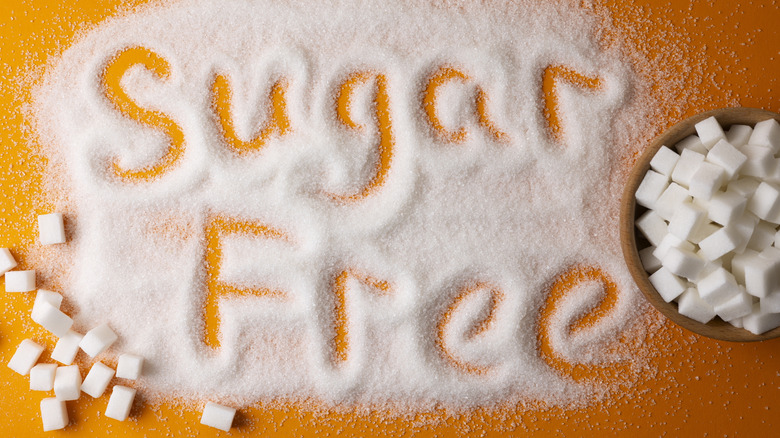
The natural assumption is that since flavored yogurts are high in sugar, switching to a sugar-free option would solve the issue. However, in order to keep the sweet, appealing flavor, manufacturers need to replace the sugar with sweeteners instead, many of which are artificial. There has been debate for years about the safety of long-term consumption of such sweeteners in sugar-free snacks.
In a large study involving more than 100,000 individuals published in PLOS Medicine in 2022, Debras et al. found a correlation between higher intake of artificial sweeteners, particularly aspartame and acesulfame-K, and an increased risk of certain cancers, including breast cancer and obesity-related cancers. Importantly, the intake of both of these sweeteners by all participants was below the official acceptable daily intake (ADI.) Yogurts were specifically named in the study as one of the top three sources of artificial sweeteners, alongside sugar free soft drinks and table-top sweeteners for adding to hot drinks and food.
Another interesting study published in the Yale Journal of Biology and Medicine in 2010 reviews research suggesting that regular consumption of artificial sweeteners increased the chance of having a Body Mass Index (BMI) of more than 30, rather than the reduction in weight gain that would be expected from switching from sugar to sweeteners. Researcher Qing Yang suggested that the intense sweetness that the artificial sweeteners provide, but without the satisfaction of the calories from sugar, may cause the brain to seek further food. The sweet flavor also increases the brain's preference for sugary food overall. There is still much debate over the safety of artificial sweeteners, but these studies suggest that daily consumption of artificially sweetened food and drinks may not be as sensible as many people may think.
Artificial colorings are often added, too

Most flavored yogurts are not white, and their colors range from pale to vivid. While some colors may come from the fruit itself, artificial colors are often used. While the FDA insists that all artificial colors go through strict testing before being approved, recent studies have shown concerning results. A 2023 study published in Toxicology Reports by Qi Zhang et al. found that a widely used red food dye caused DNA damage and disrupted gut bacteria in human cells in vitro, and in mice in vivo. The dye, known as Red 40, is on the FDA's approved list of color additives and can be used in strawberry or raspberry flavored yogurts.
In the U.K., the government has specified that any product containing Red 40 must contain the warning "May have an adverse effect on activity and attention in children" on the label, which is a big concern considering that many flavored yogurts are marketed specifically for younger consumers. The red dye is not the only controversial artificial color to come under scrutiny with Nestle removing its blue Smarties from the U.K. candy, following claims it was responsible for hyperactive behavior in children. They brought the much-missed blue treat back in 2008 with a natural coloring using the blue-green algae spirulina.
While these studies don't mean that the occasional flavored yogurt will cause serious health issues, choosing natural yogurt regularly means you can avoid the concern. Some brands offer yogurts flavored with real fruit, meaning they contain only natural sugar with no artificial sweetener or colors. Alternatively, choose Greek yogurt and add your own fruit to have complete control.