

This Seemingly 'Useless' Organ Impacts Your Health More Than You Realize
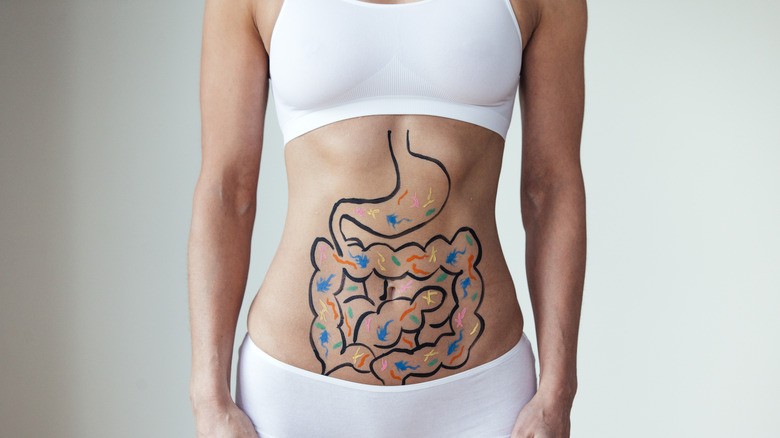
Humans have dozens of organs (the exact number is debatable). How many of these could be removed while still allowing us to survive? The answer seems to be most of them, outside of the brain, heart, liver, lungs, and kidneys. Gallbladder removal is common and often has little impact on survival with proper dietary changes. However, it wouldn't be fair to call the gallbladder completely "useless" since recent research suggests that removing it may still increase the risk of some health conditions.
More than 1.2 million people have their gallbladder removed each year in the United States, most commonly to treat gallstones. The primary function of your gallbladder is to store bile produced by your liver and release it into your small intestine when you need it. Bile is a greenish-yellow fluid that helps your body break down fats. It's mostly made up of water but also contains bile salts, cholesterol, pigments like bilirubin, and fats.
When your gallbladder is removed, your liver releases bile directly into your small intestine. Since your body can no longer release bile on demand, you may have more trouble digesting fatty or high-fiber foods, resulting in gastrointestinal changes such as diarrhea, constipation, or gas. Changing how food is processed in your digestive tract has the potential to change many other aspects of your health. Removing the gallbladder has now been linked to many seemingly unrelated conditions such as Parkinson's disease, leukemia, and heart disease.
Possible health consequences of gallbladder removal
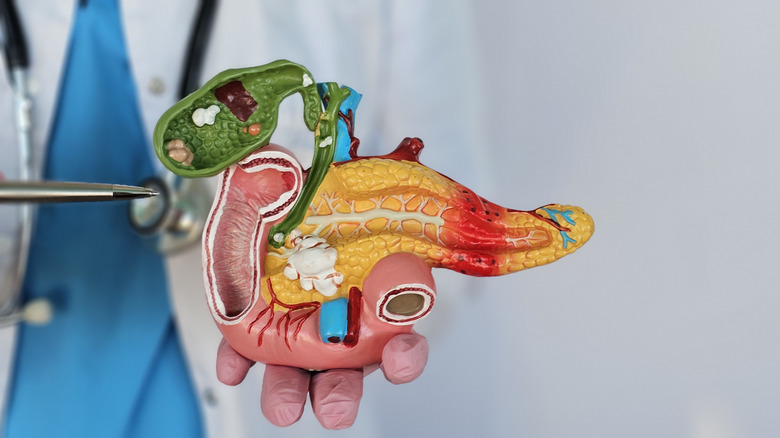
The human body is highly adaptable and proficient at continuing on after one or more organs are injured or surgically removed — even your stomach isn't essential for human health. Most people who have their gallbladder removed don't have any long-term complications, but when gastrointestinal complications do occur, they're collectively known as post-cholecystectomy syndrome.
Common symptoms of post-cholecystectomy syndrome include bile-salt-induced diarrhea, bile leakage, blockages, and problems with the valve that controls the flow of digestive juices between your liver, gallbladder, and pancreas. Up to 30% of people who have their gallbladder removed develop post-cholecystectomy syndrome symptoms. Severe symptoms seem to develop in about 2% of people. About three-quarters of people have good long-term symptom relief, but uncomfortable issues can persist for the remainder of people.
The short-term complications of gallbladder removal (such as a small risk of surgical complications) are fairly well known, but researchers are continuing to examine long-term consequences, especially in younger people who may live decades beyond their procedure. Research is starting to show that changes to the gut following the procedure may increase the risk of both cancers of the gastrointestinal tract and overall cancer risk. For example, in a 2022 study, researchers found that the overall risk of cancer increased 19% in people who had their gallbladder removed. The risk was particularly elevated for leukemia and gastrointestinal cancers such as colon, liver, pancreas, and biliary tract cancers.
Why gallbladder removal may be linked to heart disease and neurodegenerative conditions
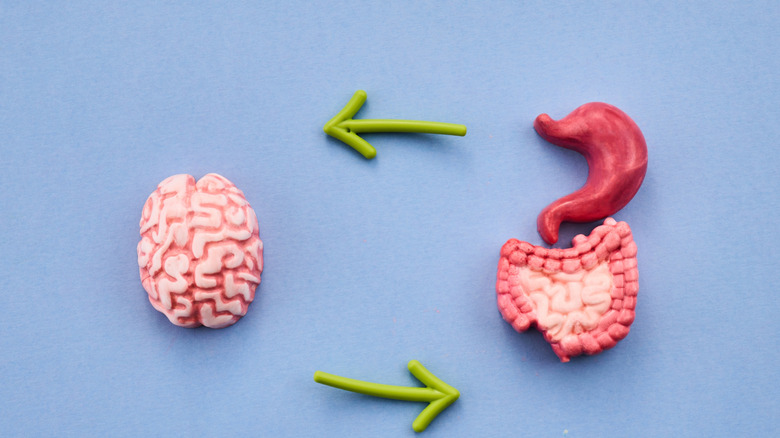
Researchers are continuing to uncover evidence that your gut health influences many other aspects of your health. Intuitively, this makes sense, since your digestive tract absorbs almost every molecule that comprise your cells. Any condition that affects the way nutrients are absorbed through your gut or disrupts your microbiota (the fine balance of bacteria in your gut) may influence other organ systems. Long-term changes such as constipation or diarrhea after gallbladder removal can potentially influence the development of many conditions.
For example, gallbladder removal has also been linked to neurodegenerative conditions such as Parkinson's disease. It's been suggested that the connection may be related to altered gut microbiota and increased intestinal and overall body inflammation, promoting certain changes in the brain. Changes in bile metabolism may also contribute to the development of heart disease for some people, perhaps due to causing issues with fat and sugar regulation. For example, in a 2021 study using public insurance data from South Korea, researchers found evidence linking gallbladder removal with an increased risk of heart attacks in the youngest population in their study (ages 40 to 49).
Despite everything we know about the human body, we still don't have a perfect understanding. Many other organs once considered useless now have evidence that they may play an important role in some aspects of your health. Most people can live full lives without their gallbladder, but that doesn't mean that the gallbladder doesn't still play an essential role in supporting human health.