

Scientists Studied Microplastics In Human Poop. One Everyday Source Was Linked To Higher Levels

Microplastics, particles of plastic measuring 5 millimeters in diameter or smaller, are a growing issue in the environment and human health. These tiny bits of plastic have been found in the soil and water around the world and in all sorts of tissues in the human body. However, comparatively little research has looked at how eating habits might influence the level of microplastics in the body. To address this, scientists analyzed the poop of human volunteers for microplastics and found that polyethylene, a plastic widely used in food packaging, was extremely common.
Once ingested or inhaled, microplastics can spread throughout the body, potentially posing a health risk. Research has found that microplastics can cause inflammation and tissue damage, and that elevated levels of microplastics could be associated with conditions like heart disease or some types of cancer. Microplastics are everywhere, so exposure is unavoidable. However, our levels of microplastic exposure from the food we eat versus other avenues like inhalation are not fully understood.
What microplastics are in human poop?
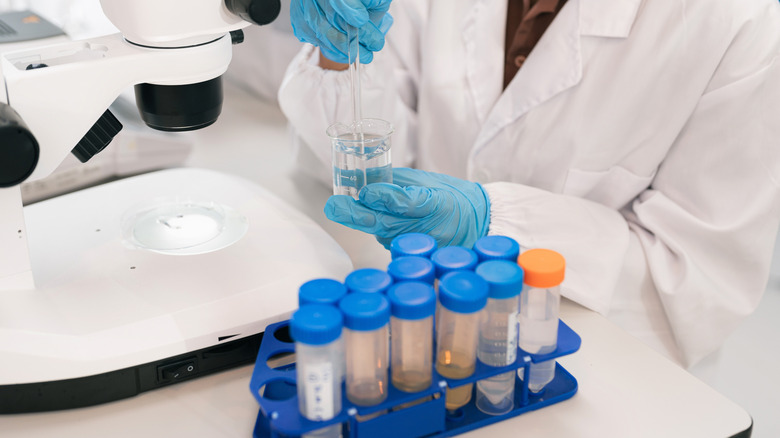
To better understand how humans ingest microplastics, a 2024 study analyzed stool samples from 15 adult volunteers collected over a 16-day period. During the study, the participants followed different dietary scenarios to measure the effects of diet on microplastics levels. For the first four days the volunteers ate their normal diets. After that they followed a scenario with limited processed food and reduced plastic use for four days, and then returned to a normal diet for three days. Finally the researchers had the participants consume more packaged and processed foods and use plastic containers and kitchen equipment. The day after each scenario the volunteers collected a stool sample for analysis.
The scientists analyzed the samples to identify microplastic particles, separating them into three size categories: 5 to 50 microns, 50 to 500 microns, and 500 microns to 5 millimeters. They found an average of 3.5 particles per gram in the middle size fraction. The analysis also determined which type of plastic each particle was. They found multiple types of microplastics that can be traced to clothing and consumer goods like cell phones; however, polyethylene was the most prevalent type of plastic found in poop.
Reducing exposure to microplastics
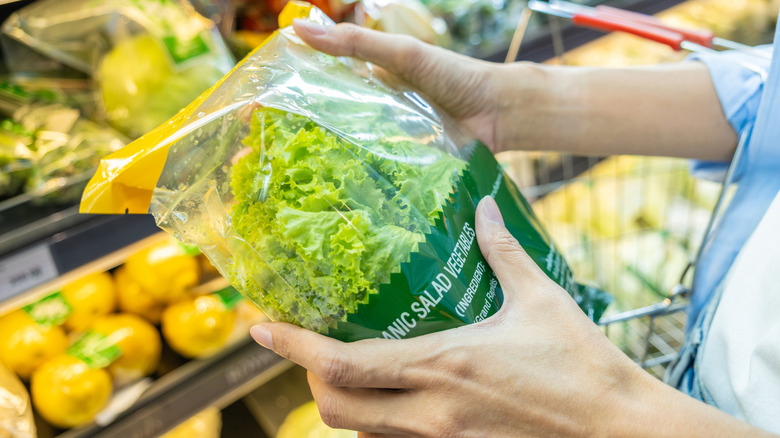
Polyethylene is commonly used in food packaging and accounted for more than one-quarter of global plastic production in 2023. Manufacturers combine ethylene molecules to make long, straight polymer chains with a variety of structures. These different structures result in plastics with varying physical properties. For instance, high density polyethylene is strong and fairly rigid, making it useful in jugs and bottles, while low density polyethylene is softer, more flexible, and transparent, which is why it's ideal in wrappers and bags. These properties, and polyethylene's resistance to moisture, acids, and fats, are why its so widely used in food packaging.
The prevalence of polyethylene in poop means that food packaging is likely a major source of microplastics in the human body. This is supported by a statistically significant difference in the levels of microplastics found in the different plastic use scenarios. Eating more unpackaged and minimally processed foods means less exposure to microplastics from packaging. At the same time, reducing plastic use in the kitchen by storing food in glass containers and using using non-plastic cutting boards can also help. Microplastics can be found everywhere, so avoiding them entirely is impossible, but with a few simple steps, people can limit their exposure.