

Your Brain Starts Aging Faster When You Reach This Age

Aging is a natural and inevitable phenomenon, but it can also lead to concerns if you're experiencing related symptoms. Your eyes start aging faster at a specific age, for example, and the same is true of your brain. While subtle changes in cognition are normal as you get older, significant cognitive impairment is not considered inevitable with age. At the same time, scientists have started to uncover specific ages in which cognition is most likely to change, and it's not exclusive to older adulthood. Overall, research suggests your brain may start aging faster around your 40s, and then again in your 60s.
First, it's important to understand what "brain aging" actually means. As you get older, it's normal to experience some changes in cognition, which includes memory, judgment, and your ability to learn. Cognition peaks at around age 30, and it starts to decline after this point. But brain aging involves other key changes outside of cognition. According to the American Brain Foundation, these include chemical, neuronal, and structural changes. As you age, the brain produces fewer chemicals (or neurotransmitters), such as serotonin and dopamine. The brain also decreases neuronal size and connections, as well as new neuron production. Such neuronal changes influence brain structure and volume, which can decrease with age. This is particularly the case with the cerebellum, hippocampus, and both the cerebral and prefrontal cortexes. Collectively, these changes can occur with age without any underlying neurodegenerative disorders. Brain aging is complex, but researchers are starting to pinpoint when such changes are most likely to occur.
What researchers currently know about brain aging at specific ages
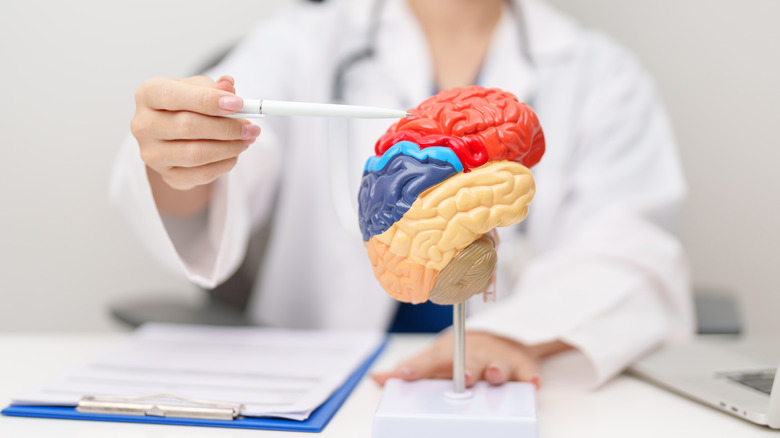
Overall, an average of 2 in 3 adults in the U.S. experiences some form of cognitive impairment around 70 years old, per research published in SSM-Population Health. Scientists are also finding out that the process is not linear as once believed. For example, one study published in 2025 in the Proceedings of the National Academy of Sciences looked at MRI results of 19,300 adults and found evidence of brain aging beginning in their 40s. The authors primarily attribute these changes to issues with glucose stability in the body and overall metabolic dysfunction, and they argue treatments during midlife may help to preserve brain function. Previous research from the Postgraduate Medical Journal also suggests that some of the same lifestyle habits that support cardiovascular health may translate to improved brain aging.
Another study published in 2024 looked at human aging timeframes based on data collected from 108 adults ages 25 to 75. The results, which were published in Nature Aging, suggest significant changes around age 40, and again at 60, rather than on a gradual basis throughout adulthood. While a later editorial analysis noted the need for further research around these specific ages, this particular longitudinal study still offers a notable discussion on when adults may possibly experience the most changes due to aging.
Prior to this 2024 study, a separate review of 56 longitudinal studies suggested that brain aging could accelerate after age 60. These findings, which were published in 2011 in Human Brain Mapping, were based on MRI scans of more than 2,000 adults. The authors noted a 0.5% volume loss or more in the brains of those over the age of 60.
Is it possible to slow down brain aging?

Despite the fact that researchers have identified two life stages where brain aging may accelerate, there are still some nuances to consider. Some adults might experience accelerated brain aging due to underlying diseases, environment, genetics, and lifestyle. Others might be on the opposite side of the spectrum and have healthier brains that do not age as quickly.
While you cannot control certain factors that influence brain aging (like genetics), there are some steps you may be able to take to help slow down its rate. In fact, many factors that affect physical health also have an impact on your brain health. For example, some of the recognized pillars of health such as diet, exercise, and sleep may extend to healthy brain aging. Engaging in new activities and staying social can improve your overall cognition, while stress management may keep potential brain-damaging inflammation at bay (here's other ways stress can affect your brain).
Finally, it's important to see a medical professional for regular checkups, and at any point you might be concerned about your brain health. While neurodegenerative conditions like primary dementia are irreversible, early detection is paramount in helping to connect you with treatments and therapies that can reduce symptoms and possibly reduce disease progression.