

Scientists Peered Through Mouse Skin, Potentially Solving This Human Male Vs. Female Mystery
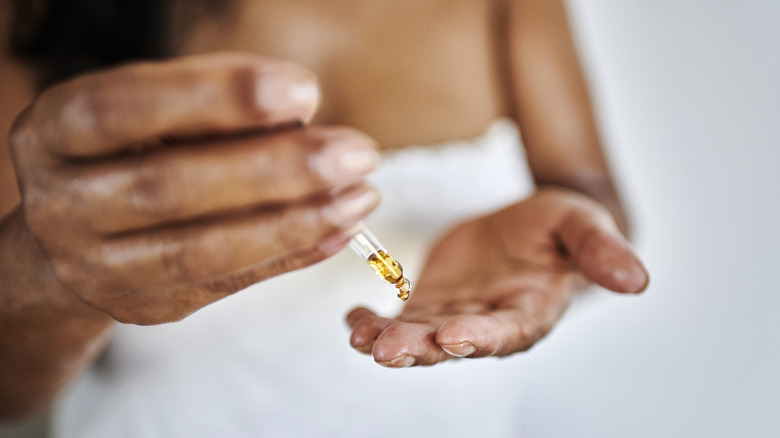
The skin is the target of countless beauty ads and a nearly $200 billion global industry. The decision whether a product should target men or women is often made in the marketing department instead of the laboratory, but there's some research to support the idea that there may be differences between male and female skin. In a 2026 study published in Nature, researchers peered through the skin of mice and found that the way that skin regenerates itself may fundamentally differ between the sexes.
"We were surprised to discover strong differences in the way stem cells renew the skin in females and males," said Dan Engelman, the lead author on the study. Also according to Engelman, the original attempt of the study wasn't to examine sex differences, but it was an interesting finding they discovered along the way. The original intent was to better understand how the skin repairs itself and how stem cells help your body make new skin cells.
The research team made their discovery by filming living cells in mice for a period of five months using a special form of microscopy that allowed them to peer through the mice's skin. The researchers discovered that female cells in mice showed a highly coordinated effort when producing new skin tissues, while male cells operated more independently of one each other. These sex differences extended to wound healing, where female mice closed wounds significantly faster than male mice.
Why did female skin heal quicker than male skin?

The differences between how male and female mouse skin behaved in this study seemed to come down to how sex hormones interacted with stem cells at the base of the top layer of the skin. The primary sex hormones in males are testosterone and androgen, while the primary sex hormones in females are estrogen and progesterone. Both males and females have estrogens and androgens in their bodies, but the levels tend to differ drastically. For example, levels of testosterone in the female body tend to be about 15 to 20 times lower than the male body,s but estrogen levels are significantly higher (with huge fluctuations during the menstrual cycle).
In this study, the researchers found evidence of an intermediate step in the lifespan of skin cells where skin stem cells don't immediately become specialized skin cells. They first go through an a step where they have a limited potential for continued division before becoming specialized. In this intermediate step, sister cells produced by a stem cell have to decide whether divide again or to specialize into adult skin cells. The researchers observed that sister cells in female mice tended to work in coordination with each other, making the same decision.
In contrast, male cells were more likely to make their own decision independently of the other cells produced from the same stem cell. To test whether sex hormones were behind the difference, the researchers castrated male mice (removed the testicles to lower testosterone production). After castration, they observed that the skin of male mice behaved more like female skin than typical male skin.
What do the results of this study mean?
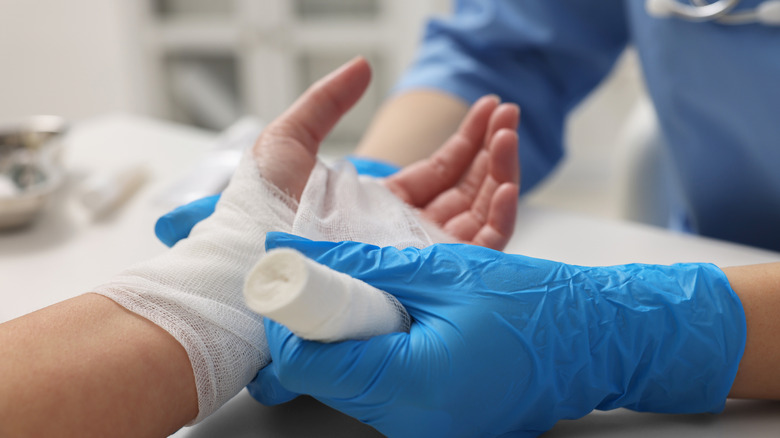
Your skin is a highly vascularized organ (filled with blood vessels) that heals itself quickly. Compared to most organs, it has a relatively quick lifespan and completely replaces itself within about 40 to 56 days. Understanding how the skin heals itself has applications far beyond the beauty industry. Improving understanding of how the skin regenerates could lead researchers to treatments for a wide range of skin conditions such as burns, surgical wounds, or diabetic complications.
This study could also help researchers tailor treatments toward males or females to optimize their skin healing, which is the direction the research team seems to be taking. According to the lead researcher, Cédric Blanpain , "We will now investigate the differences between males and females during the formation and progression of skin cancers."
It's been observed for many years that skin healing differs between males and females in the case of inflammatory diseases and certain skin cancers. Scientists are now starting to understand some of the potential reasons why, but additional research in humans is needed to fully understand sex differences in skin cell production and wound healing.