

Astronauts Left 96 Sealed Bags Of Poop And Waste On The Moon. Now Scientists Want To Study Them.
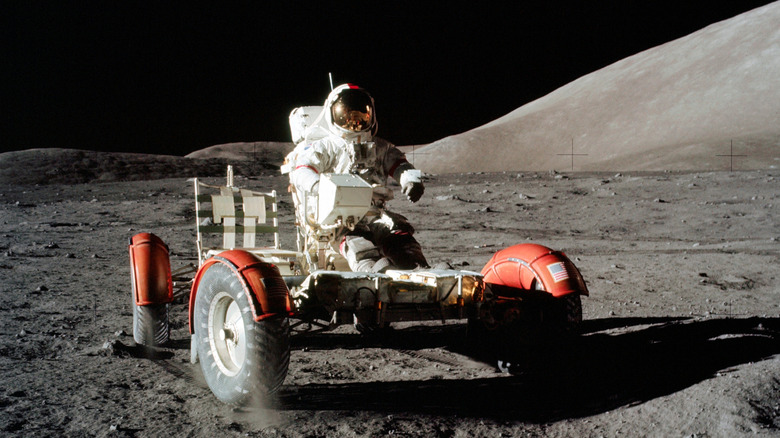
As the United States and China prepare to send astronauts back to the moon, and potentially to Mars, the remnants of previous crewed moon missions have been literal loads on their minds. There are 96 sealed bags of human waste (feces, urine, and vomit) on the moon, which the astronauts left behind on purpose. However, now scientists want to study that poop to see if any microbes could have survived by going dormant and, if so, how they might have adapted to the harsh environment of space.
Every ounce of weight on a lunar landing vehicle is meticulously calculated to ensure there will be enough fuel to return to the orbiter. Leaving the waste behind was an easy choice to make room for the moon rock samples that were the major focus of the missions. Many other pieces of the mission that were unnecessary to the return trip were also left behind, including video cameras, boots, and a telescope. Cramming bags of stinky poop into an already crowded cabin for a days-long return voyage would have been unpleasant.
Why managing space poop is important
On Earth, gravity helps pull our waste down and away from us. In space, the lack of gravity could let any uncontained waste float around in the crew cabin, which would be bad for the health of the astronauts. To solve this issue, the Apollo waste management system was developed by Whirlpool. It was designed to be self-contained, operable by an individual, and as hygienic as possible. Sealed bags of waste were double bagged for disposal. Despite its purpose-built nature, the fact remains that we left remains, if you know what I mean.
The toilets on the International Space Station are much more sophisticated and suck the solid waste into disposable cargo containers that burn up on their reentry to Earth's atmosphere. Liquid waste is recycled through a water purification system.
Retrieving the bags of poop from the moon would hopefully tell scientists more about how biological material changes in space and whether that biological material had any effect on the moon. This information could be foundational to the development of a lunar base. Earth-based simulations have told us that the human microbiome is likely to change on an extended space voyage. Knowing this will help scientists develop appropriate nutrition plans for each crew member.
What the lunar poop has endured
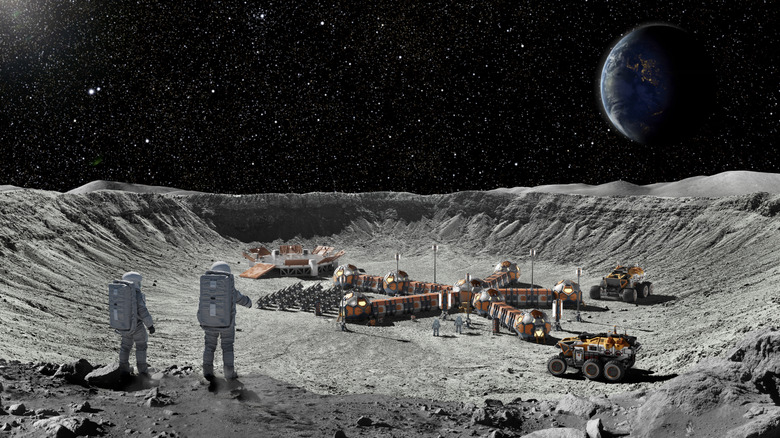
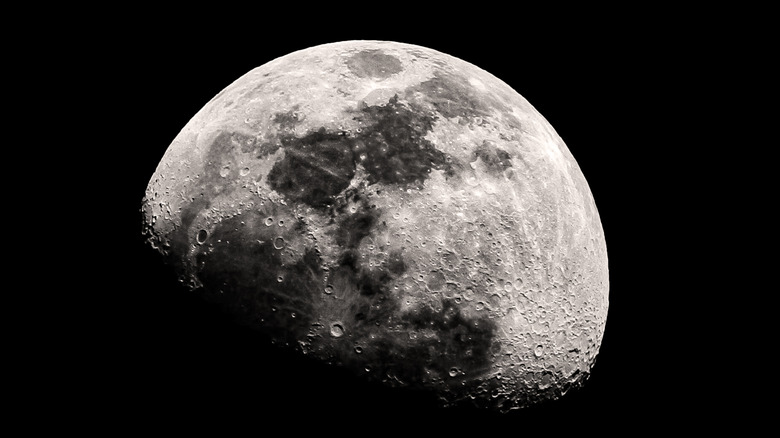
Establishing a permanent base on the moon or voyaging to Mars requires a deep understanding of the constraints of living in space. In addition to the lack of gravity, the moon has no atmosphere, so there's no wind or rain to cause erosion or decay. Without an atmosphere, surface conditions can vary widely. Temperatures can be hot enough to boil water during the day, and cold enough to freeze carbon dioxide at night. There's nothing to deflect cosmic radiation, either. Traditional Earth-based waste management systems rely heavily on the action of microbes to help break down organic matter. These systems are impossible to use on the moon. Any long-term mission will need a better solution than just tossing waste overboard.
The bags of poop left by the Apollo astronauts are likely full of dust by now. But enough scientists believe that they are also full of information that their retrieval is a top priority for any future moon mission. If any bacteria did go dormant and have survived for more than 50 years on the moon, their discovery would change our understanding of panspermia, the idea that life can travel between planets or moons on space debris. It's one theory among many for the unanswered question of how life began on Earth.