

The Common Fingernail Myth That's Been Debunked By Science
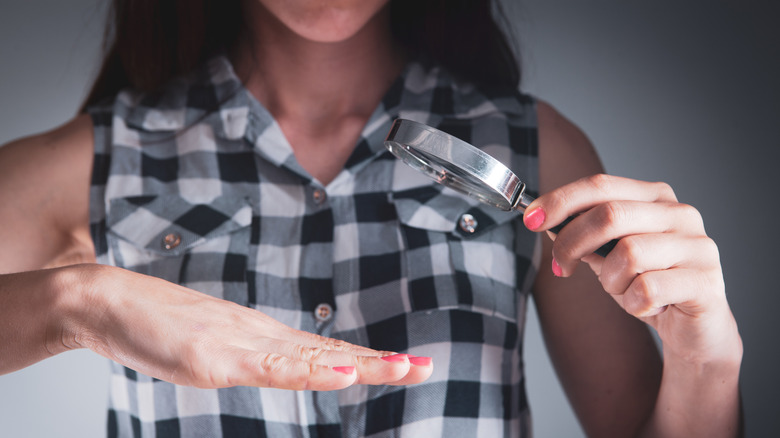
Many myths exist (and persist) about various parts of the body. Your fingernails are no exception here. Nails are primarily composed of keratin, and they are responsible for protecting both your fingers and toes from damage to underlying nerves and blood vessels. The nails on your fingers can even serve practical purposes by helping you scratch or open items, and many people also utilize them as fashion statements via nail polish or regular manicures. If you are part of the latter group, it's possible you might take breaks from nail polish, gels, or other items to allow your nails to "breathe." Yet it turns out this common, well-meaning belief is actually a myth, and is one that might possibly distract from other downsides associated with constantly painting your nails.
When you dress your fingernails with polish, you're essentially covering up the entire nail bed. With this in mind, it's easy to understand how the process might not allow your fingernails to breathe. The problem? According to The Ohio State University, nails do not breathe at all. Keeping your nails healthy helps to reduce the risk of infections and other issues that may develop under the nail plate, but they don't actually need oxygen from surface air. Instead, nails get the oxygen they need from underlying blood vessels, which also supply other essential nutrients to the area. Skipping out on nail polish will not allow your fingernails to breathe, but taking breaks from nail products can offer other benefits.
Situations when skipping fingernail polish might actually help
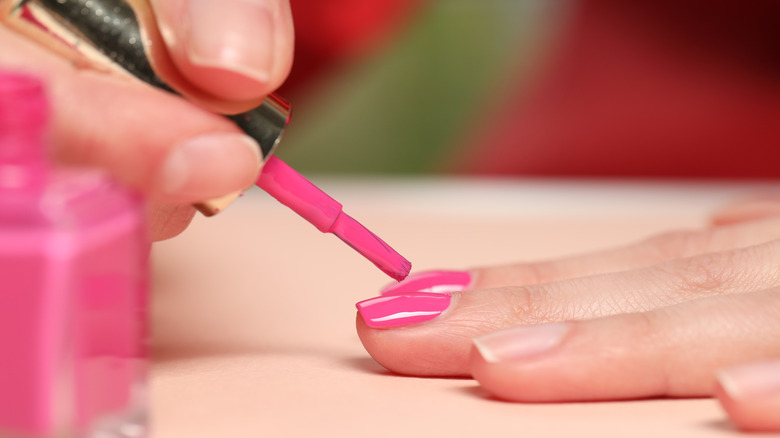
While the need to allow your fingernails to breathe in between manicures or other nail treatments is a myth, there are some advantages to skipping out once in a while. For one, fingernails are a great indicator of health, including their color, texture, and any possible spots of discoloration. If your fingernails are constantly covered up, you won't be able to spot some of these key signs. Not every type of change is serious, but some of the possibilities can include links to nutritional deficiencies, infections, and even heart or kidney problems, says the Cleveland Clinic.
In some cases, frequent manicures can take a toll on your fingernails, particularly if you get them back-to-back with no breaks and your nails are already damaged. So while skipping polish doesn't allow your fingernails to breathe, doing so may prevent them drying out if yours are prone to brittleness and breakage. Foregoing polish is especially important if your nails are already infected, cracked, or inflamed. You might also want to reconsider regular gel manicures, as these are especially damaging during both the application and removal processes. Taking breaks from gels and acrylics can promote overall nail health, as can avoiding traditional nail polishes containing harsh chemicals, such as phthalates, formaldehyde, and toluene.
Finally, if you do notice some unexplained changes with your fingernails' shape, texture, or color, despite giving them regular breaks from polish, you might consider talking with a dermatologist. They can help determine the underlying causes and whether you need any further medical treatment.