

In 1968, A B-52 Bomber Carrying 4 Nukes Caught Fire. They Didn't Expect What Happened Next
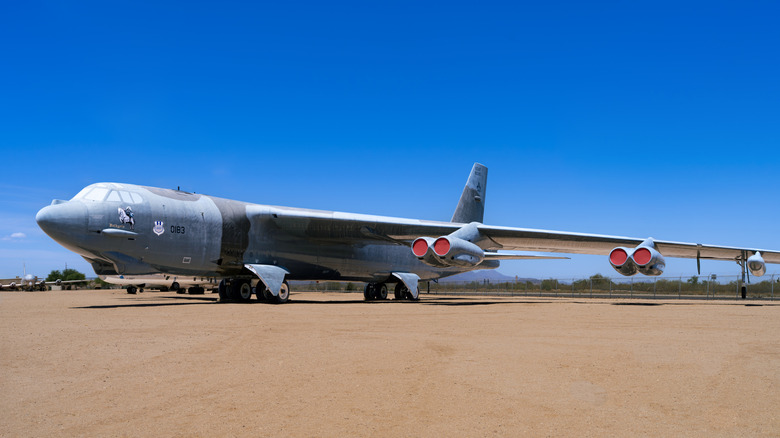
During the Cold War, the U.S. maintained a constant state of readiness to be able to respond to threats from the Soviet Union. As part of that effort in the 1960s, the Air Force kept 12 nuclear-armed bombers in the air around the clock. In 1968, one of those bombers caught fire and the crew were forced to bail out. The abandoned bomber crashed into the sea ice off the coast of Greenland. However, what happened next caught people by surprise. The bombs on board exploded on impact, although the crash did not trigger a nuclear detonation. But the explosion still had environmental effects because the weapons' high explosives scattered radioactive material over the sea ice.
Immediately after the crash, search crews rescued the bomber's crew and started efforts to secure the plane's nuclear weapons. However, they couldn't find the four weapons on board. The crash had broken through sea ice covering the ocean surface, so the initial expectation was that the bombs sank to the bottom. However, high levels of radiation at the crash site told a different story. The Air Force quickly sent the Strategic Air Command's Disaster Control Team to clean up the crash site, a mission dubbed Operation Crested Ice.
A fiery crash and cold, dark recovery
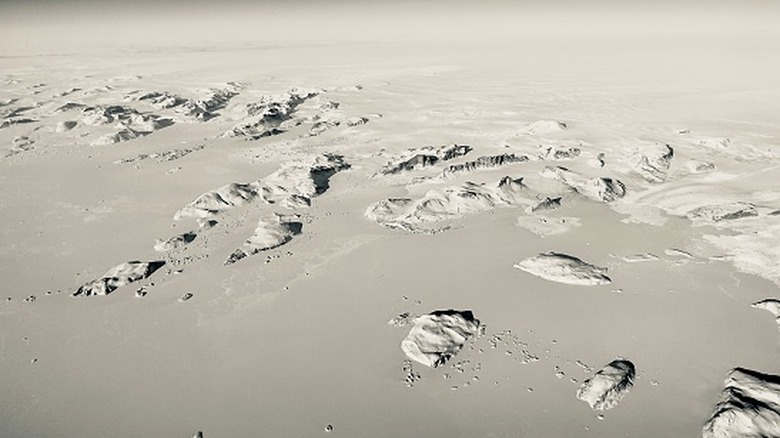
On January 21, 1968, a B-52 took off from Plattsburg Air Base in upstate New York to begin a 24-hour mission. Five hours into the mission, a stack of foam seat cushions that had been left on top of a heater vent caught fire. Despite their best efforts, the crew couldn't control the fire with their onboard fire extinguishers. The cabin filled with smoke and the plane's electrical system started to fail. The pilot then ordered the crew to bail out as they flew over Thule Air Base in northwest Greenland. The bomber flew another 7.5 miles before crashing.
The Disaster Control Team arrived soon after, accompanied by scientists from Lawrence Livermore National Lab who brought an advanced instrument to detect radioactive debris at the crash site. Recovery personnel worked in polar winter's round-the-clock nighttime darkness and temperatures that dipped below negative 40 degrees Fahrenheit, rounding up wreckage that was contaminated when the bomber's weapons exploded during the crash and scattered 13 pounds of plutonium onto the sea ice surface. By January 28 the recovery team reported that all of the radioactive debris had been recovered. This incident, and a bomber crash in Spain two years before led the Air Force to change its policy of flying bombers around the clock.
The aftermath of Operation Crested Ice
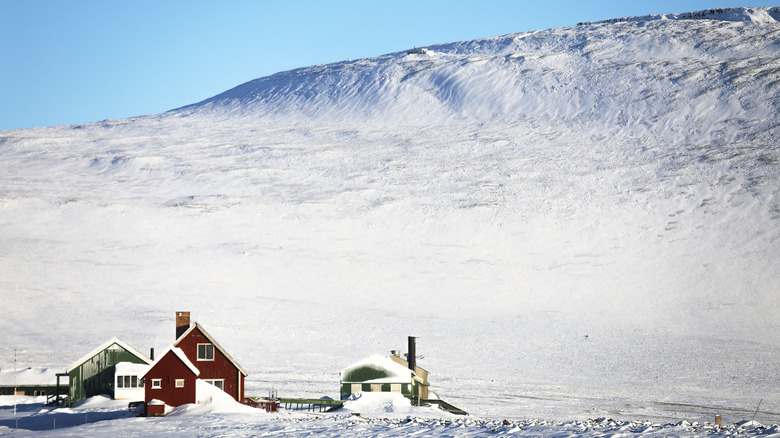
The Greenland and Spain bomber crashes also influenced the design of future nuclear weapons. Scientists in U.S. government labs focused on developing new explosives called insensitive high explosives that were more likely to go through the high-speed impact and fire of a plane crash without exploding. This change improved the security of nuclear weapons.
The incident also raised questions about possible health impacts among Danish civilian workers who helped with the recovery and clean-up at the time. However, in the 1990s researchers conducted a study of the more than 4,000 Danish civilians who worked at Thule Air Base over the years. They compared the 1,200 workers who were there during the crash and cleanup to the more than 3,000 who worked at the base at different times and found no differences in overall mortality or rates of cancer or heart disease.
The crash was an unfortunate incident that resulted in one death, the co-pilot who hit his head when bailing out of the plane, and contaminated a wide area of sea ice. However, the unexpected explosion and radioactive contamination motivated changes in military doctrine and weapons design that dramatically reduced the chances of such an incident happening again.