


Julia Fuller
Sciencing Editorial Policies
The unique content on Sciencing is a result of skilled collaboration between writers and editors with broad journalistic, academic, and practical expertise across the wide variety of scientific fields we cover.
In pursuit of our mission to provide accurate and ethical coverage, the Sciencing editorial team consistently fact-checks and reviews site content to provide readers with an informative, entertaining, and engaging experience. Click here for more information on our editorial process.
Stories By Julia Fuller
-
-
How Does A Wind Vane Work?
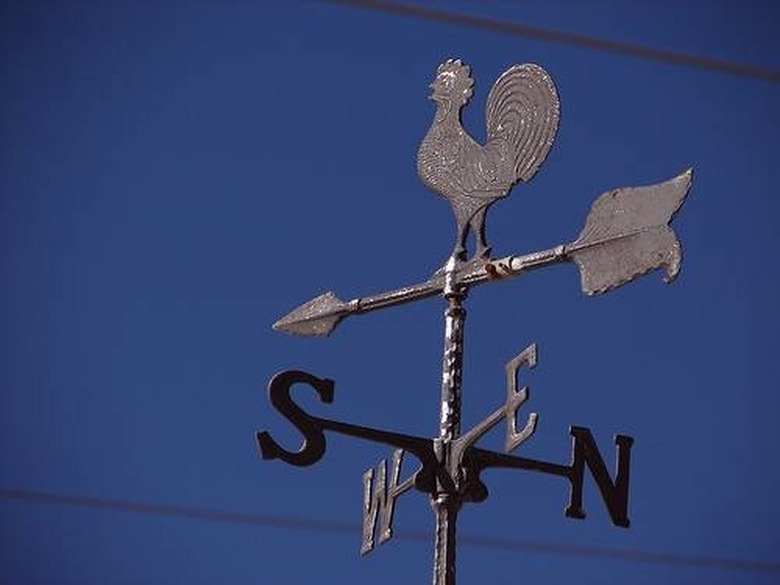
When constructing a weather vane, the design must be planned to allow for free movement about the vertical axis. The surface area of the design must be asymmetrical, unequal, which enables the smaller area to turn into the wind. However, the weight must be equally distributed on both sides of the axis of rotation to allow the wind vane to spin freely. The small end points in the direction from which the wind is coming, and the larger end points where the wind is going. The individual installing the wind vane would need to align the directional markers with the geographic directions of north, south, east and west. The directional markers allow observers to identify the wind direction easily.
Read More -
How To Solve Polynomial Equations
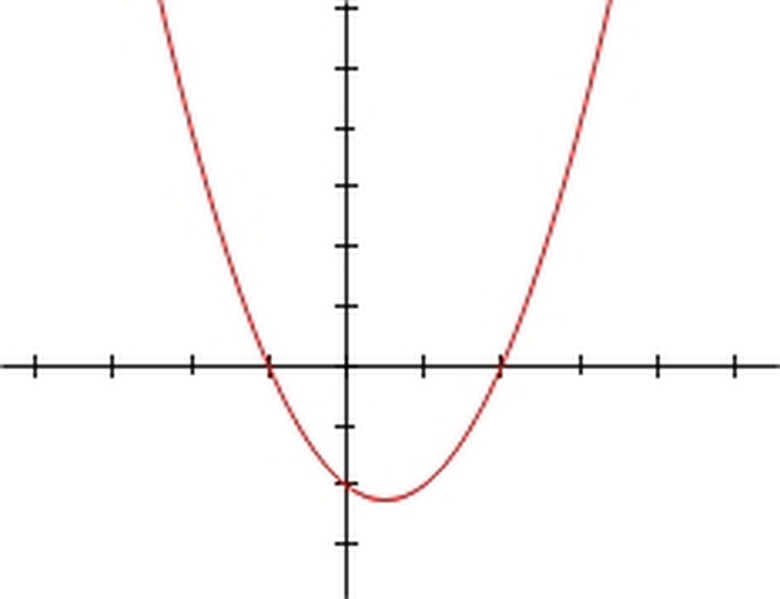
Solving polynomial equations can initially seem difficult and confusing. Don't let the letters, called variables, scare you. They represent any number. Once you understand what the terms mean and learn some helpful tips, they really are not too bad. To solve a polynomial is to find the sum of terms. The sum of a polynomial is 0. Try to remember the acronym \"FOIL\" when solving polynomials. FOIL stands for First, Outside, Inside, Last. Let's look at how to solve polynomial equations.
Read More

