

Why We Can't Stop That 'Butterflies In Your Stomach' Feeling
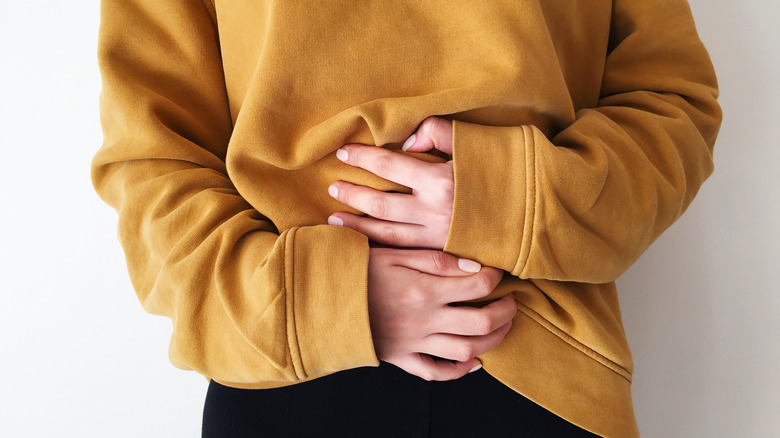
A common way to describe that feeling of nervous excitement is to say that you have butterflies in your stomach. Although the exact origins of this idiom are unknown, it appears to have gained popularity in the early 20th century and was first recorded in a book published in 1908 to allude to the slightly sad disposition of a character. As with all physical sensations that we have found unique ways to describe, this feeling is in our brain. It manifests as an involuntary physical response to a stressor, and the channel of communication that provides us with this experience of butterflies in the stomach is referred to as the gut–brain axis.
The gut–brain axis is essentially an ongoing conversation between the central nervous system, which includes the brain and spinal cord, and the digestive system. It might be surprising to learn that there is a significant amount of neurons in the gastrointestinal system. In fact, there are over 160 million neurons in the gut, which is not much less than the estimated 200 million neurons found in the spinal cord. This network is referred to as the enteric nervous system, as well as the second brain.
A very big player in this axis is the gut microbiome, which is composed of the microorganisms residing in the gut, primarily bacteria. Recent studies have indicated that these microbes are important to regulating stress responses, including that bit of nervousness you feel in your stomach as butterfly wings. In fact, this relationship goes both ways: The gut microbiome affects stress responses and stress affects the gut microbiome.
The role of the gut–brain axis when stress is in overdrive
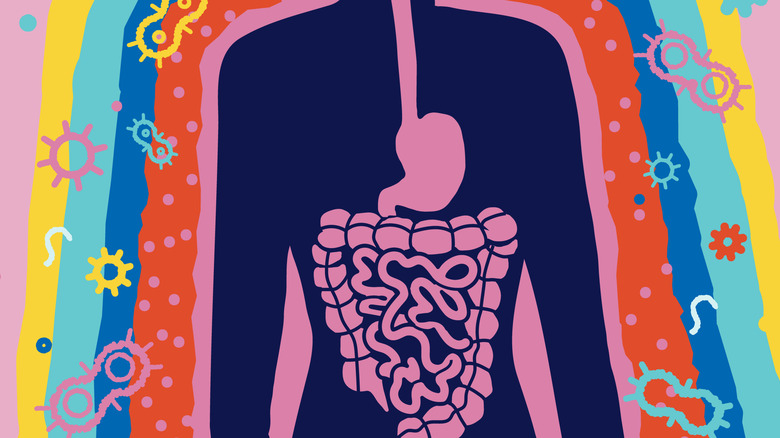
During stressful moments, the sympathetic division of the nervous system is typically relied upon, promoting a "fight-or-flight" response. This process is facilitated by adrenaline and noradrenaline (also referred to as epinephrine and norepinephrine). Evolutionarily, activation of the sympathetic division pulls the focus of the body's energy away from digestion so other things can be focused on, such as evading a predator. Some scientists suggest that it is the activity of these hormones and the subsequent disruption of the gut microbiome that produces that odd, butterfly-like sensation in the stomach.
Overall, gut microbiome composition plays a large role in certain neurological processes, even the presence of some psychiatric disorders. For instance, there is a very strong association between anxiety-related disorders and chronic gastrointestinal issues, such as irritable bowel syndrome. Interestingly, some studies have found a correlation between anxiety disorders and lack of microbial diversity in the gut. Additionally, certain gut bacteria, like Streptococcus, are associated with higher levels of anxiety.
Although some stress is perfectly normal, such as that nervous feeling you might get around a crush, occasionally it can become too much and interfere with daily functions. Therefore, it is important to listen to your gut and recognize when stress symptoms are leading to intense physiological discomfort. In these cases, the best thing to do is contact a healthcare provider and try to reduce exposure to stress.