

Antarctica's Ice Is Quietly Controlling More Than Scientists Once Thought
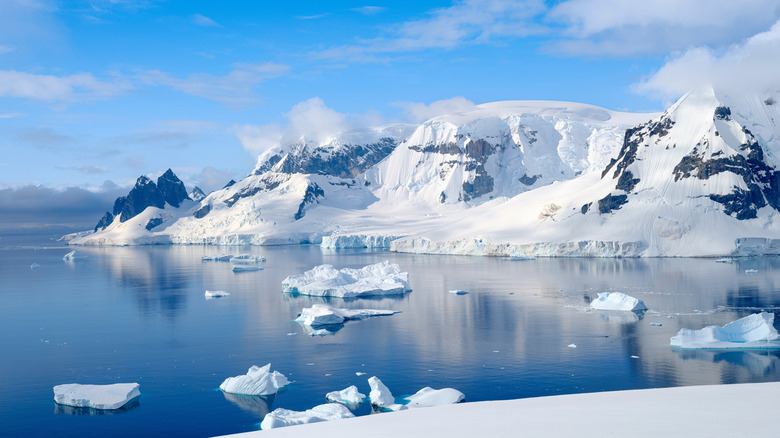
The Southern Ocean is incredibly important for reducing atmospheric carbon, which is a major contributor to a warming global climate. In fact, this portion of the planet absorbs 40% of anthropogenic (human-made) carbon. A great driver of this phenomenon is the formation of algae blooms, which take up carbon from the atmosphere. However, algae blooms in this part of the world are significantly limited by the low availability of iron. Interestingly, a recent study revealed that an increase in iron did not actually induce algae growth as the researchers expected. The culprit: poorly soluble iron originating from melting ice.
Typically, iron in the ocean is delivered through strong winds, which transport sediment from land during glacial periods, also known as ice ages. When researchers examined the northern portion of the Southern Ocean, they found that this iron promotes algal growth. But the researchers of the aforementioned study looked further south and found that iron was mostly supplied here from the West Antarctica Ice Sheet. This iron was more "chemically mature" and was much more difficult to absorb. The authors suggest that this iron came from very old subglacial bedrock, essentially supplying expired iron. This threw a wrench into the idea that more iron alone could improve algal blooms, and emphasizes the quality and bioavailability of this important micronutrient.
Ice, iron, and climate change
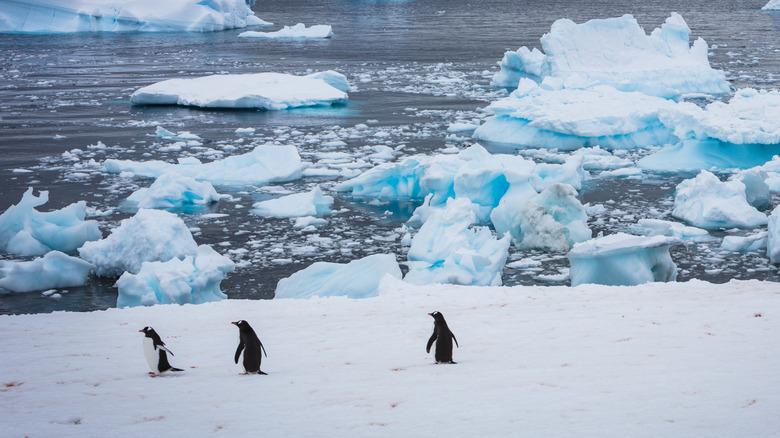
These findings also introduce more questions about the effects of a warming climate. Looking at the last interglacial period, over 100,000 years ago, widespread ice retreat from West Antarctica contributed up to 90% of lithic input in the chosen area of study in the Southern Ocean. This is important since climate researchers view the last interglacial period as informative regarding the current climate. This is because temperatures, ice volume, and sea levels were similar to today.
Thus, their findings suggest that during warmer periods, iron from the West Antarctica Ice Sheet dominates. Torben Struve, the primary author of this study, points out that the ice is already thinning, which could result in faster subglacial rock erosion. This means that warmer temperatures are more likely to supply insoluble iron to this very important carbon sink. As this reduces the formation of algae and, therefore, the uptake of atmospheric carbon, this could exacerbate ongoing climate concerns. Given that this groundbreaking study threw an unexpected wrench into the gears of our theories, the impact of continuing climate change might be even more difficult to predict than before.