

The 'Hidden' Condition That An MRI Can Help Detect
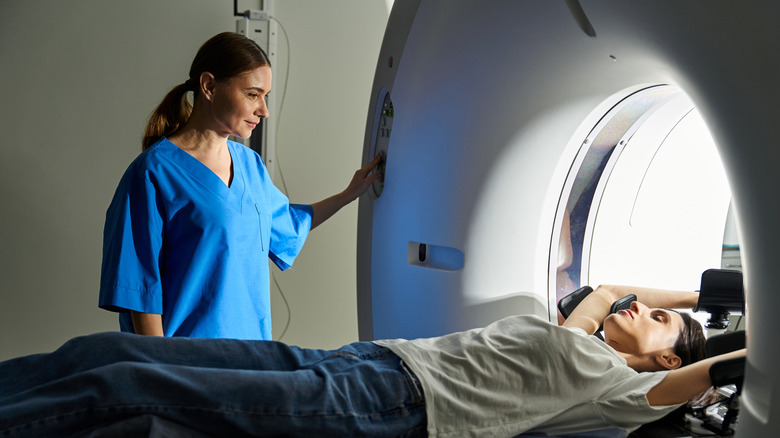
Imaging methods like MRI have revolutionized the detection of "hidden," apparently asymptomatic conditions such as nonalcoholic fatty liver disease (NAFLD). This insidious disease is actually the most common chronic liver condition in the world, developing at higher rates in people who are overweight or obese, of have type 2 diabetes, insulin resistance, or high cholesterol. In people with NAFLD, fat accumulates in the liver, potentially causing liver cancer and heart disease, as well as the worsening of conditions in other organs.
Although often silent, NAFLD has a devastating global impact. According to a recent large analysis published in the journal Hepatology, NAFLD affects a whopping 38% of people worldwide. This stunning figure represents a 13% increase over the past 3 decades, suggesting that the proportion may grow even more in the years to come. NAFLD can take the form of nonalcoholic fatty liver or the more severe nonalcoholic steatohepatitis (NASH). People with nonalcoholic fatty liver have fat deposits in the liver and may also have some fibrosis (scarring). Besides fat deposits, people with NASH also have liver inflammation and a severe form of fibrosis called cirrhosis, which can progress to liver cancer in some individuals. On average, according to the Mayo Clinic, people with NASLD live three fewer years than people without the condition.
Detecting NAFLD early and taking steps to prevent further liver damage can lead to better outcomes. But how to detect a disease that does not show any signs or symptoms? Enter MRI, widely considered to be one of the greatest medical discoveries of all time. Doctors can use MRI to visualize fat deposits and fibrosis in the liver to help diagnose NAFLD, which would otherwise remain hidden.
Diagnosing NAFLD with the help of an MRI
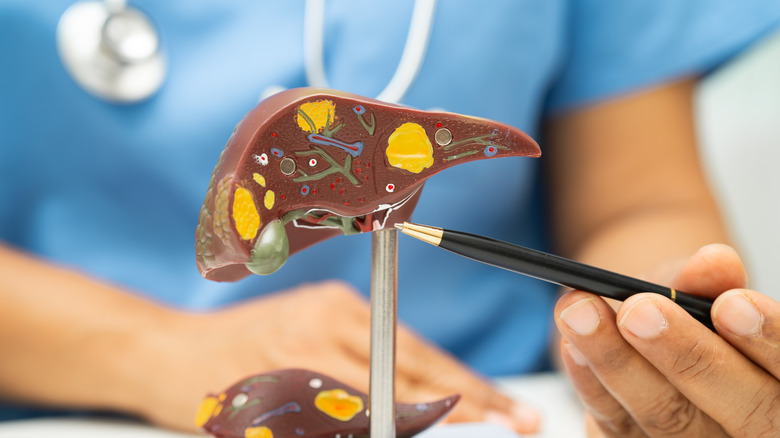
Today, liver biopsy is still considered to be the most definitive method for diagnosing NAFLD. However, the invasive procedure may cause complications and has a risk of sampling error because of the possibility of extracting a biopsy sample from a non-diseased part of the liver. These drawbacks limit its feasibility as a widespread screening tool. Non-invasive approaches such as higher-resolution imaging methods (CT, ultrasound, and MRI) present attractive alternatives to fill this gap.
Although CT and ultrasound can detect fibrosis and cirrhosis, MRI differentiates between NASH and less severe forms of NAFLD with better sensitivity and specificity than these imaging methods. MRI is relatively safe because it does not use harmful radiation, unlike X-rays. Instead, MRI employs powerful magnets and radio waves (one of the six types of electromagnetic radiation or EMR) to create high-resolution images of tissues in the body, allowing doctors to visualize areas affected by fibrosis or damaged by inflammation.
So, should everyone undergo an MRI to see if they have hidden NAFLD? MRIs are expensive and aren't always covered by insurance. Plus, the imaging procedure can be difficult for some patients. Add to that a lack of consistency in recommendations about who should be screened for NAFLD using MRI, and doctors have to use their best clinical judgment about when to order an MRI. The American Diabetes Association recommends using imaging tools such as MRI to evaluate patients with diabetes and elevated liver enzymes for NASH. However, some researchers think that MRI can be used to screen a wider group of patients.
What treatments are available for NAFLD?

Currently, there are no treatments specifically approved by the FDA for NAFLD. Doctors prescribe weight loss and physical activity as the main treatment to reduce fat in the liver. For people with NAFLD who are overweight or obese, the NIDDK recommends a 3% to 5% weight loss to reduce the amount of fat in the liver, and a larger weight loss (7% to 10%) to reduce inflammation and fibrosis in those with more severe NAFLD. Physical activity can help improve NAFLD, even beyond its positive effects on weight loss.
Type 2 diabetes medications such as metformin, a common drug that could also hold the key to slower aging, as well as GLP-1 receptor agonists and SGLT-2 inhibitors, are useful in improving diabetes and NAFLD in the large proportion of people who have both conditions.
If NAFLD has already progressed to NASH, weight loss and physical activity alone are no longer sufficient. For patients with NASH, cirrhosis can be treated with medications, minor procedures, or surgery. When cirrhosis is too advanced for such treatments, doctors might recommend a liver transplant. Since NAFLD is a complex disease, it may be best managed by a multidisciplinary team comprising primary care doctors, cardiologists, nutritionists, pharmacists, and psychiatrists. One thing is for sure, though: The earlier that NAFLD is detected using methods like MRI, the sooner treatment can be started to reduce liver damage and improve outcomes.