

Having This Hair Color Matters More Than You Think, According To Scientists
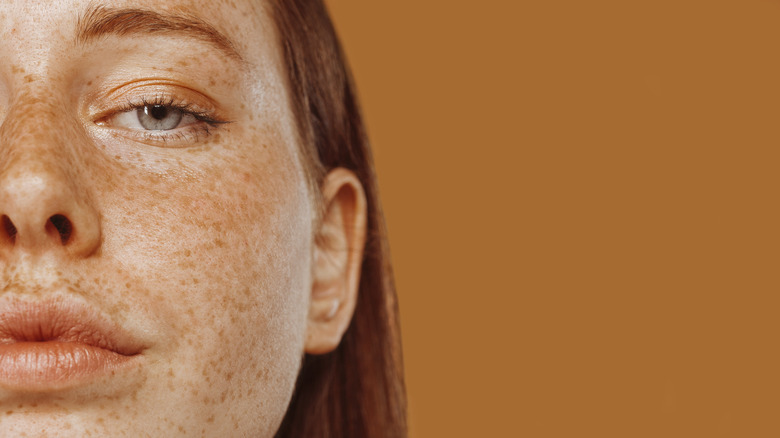
Being ginger might seem to have its fair share of downsides. Tanning does not come easily, Cartman from "South Park" accused you of having no soul, and you have a higher chance of skin cancer, even if you avoid time in the sun. However, as with most genetic traits, there are some positive trade-offs. Redheads typically have a variation in the MC1R gene, which encodes for the melanocortin 1 receptor found on melanocytes (skin cells responsible for pigment). This variation leads to a greater production of pheomelanin, which is a pigment with an orange hue, generating that unique phenotype of red hair and freckles.
An article published in the journal Proceedings of the National Academy of Science Nexus investigated the potential benefits of pheomelanin. The formation of pheomelanin requires the amino acid cysteine. Generally, cysteine can be beneficial to cells by acting as an antioxidant precursor, which protects against reactive oxygen species (ROS). These are molecules that include the element oxygen and have an uneven number of electrons, which makes interactions with other molecules pretty easy. In other words, ROS are messy, and they can cause oxidative stress, which leads to cellular damage. Of course, there can be too much of a good thing, and excess cysteine can also lead to oxidative stress. This caused these researchers to ask whether pheomelanin had a useful role in cysteine homeostasis.
Redheads have more fun and less intracellular cysteine
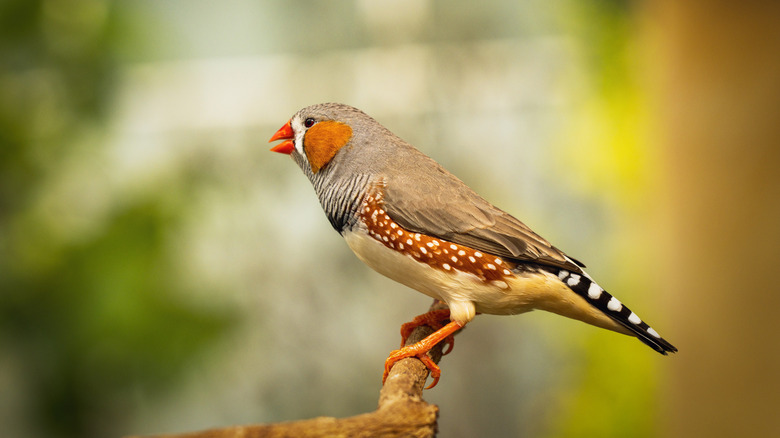
Because variants in MC1R have persisted for so long, leading to higher pheomelanin production, the authors of the above-mentioned paper predicted that there must be some evolutionary benefit. With the knowledge that excess cysteine can be damaging, the scientists hypothesized that production of pheomelanin could reduce oxidative damage by including cysteine in its building process. Think about how giving an unpredictable toddler a small, manageable task can prevent them from wreaking havoc on your home (at least for a little bit).
To investigate this, the authors used the model of zebra finches. In these birds, males produce more pheomelanin and exhibit that distinctive orange color in their feathers, while females do not. The researchers supplied some of the male finches with a drug that inhibits the production of pheomelanin while introducing high levels of dietary cysteine. These males showed increased oxidative damage compared to males given the same diet that were able to freely form pheomelanin.
Meanwhile, the female zebra finches, which do not express pheomelanin, showed an increase in oxidative damage when provided with high dietary cysteine. This would indicate that cellular oxidative stress from excess cysteine is reduced by pheomelanin production. As the authors note, this is the only physiological benefit of the production of this pigment shown to date.
Redhead problems

This unique perk does appear like a very circumstantial benefit. What happens when excess cysteine isn't a problem that your cells regularly encounter? As alluded to earlier, higher pheomelanin production puts you at a greater risk of developing melanoma. Unfortunately, this is pretty serious as melanoma is a rare form of skin cancer that is especially lethal. While the exact mechanism is unknown, there are a number of hypotheses, and pheomelanin appears to have cell-damaging characteristics in its own right.
In addition to the use of cysteine in pheomelanin synthesis, glutathione is involved, which generally serves as an antioxidant. Therefore, one hypothesis for the increased risk of melanoma is that this pigment reduces cellular glutathione, leading to more oxidative stress, which can result in damage to DNA. Another hypothesis is that pheomelanin generates ROS, also exacerbating oxidative stress. Though we know that DNA damage occurs in the presence of UV radiation, recall that melanoma risk is greater in high-pheomelanin producers independent of sun exposure. So, more research is important in understanding whether energetic input is necessary for pheomelanin-induced ROS production.
Overall, having red hair can be trickier than it seems. Not only is skin cancer a concern, but redheads also appear to have increased sensitivity to pain and often require more anesthesia. On the upside, redheads tend to have a higher level of a vitamin D precursor, making it easier to synthesize this important vitamin. More research is needed to understand the relationship between hair color and health.