

Scientists Drilled Deep Below The Atlantic Ocean And Found Something Incredible

Around 60 years ago, oil companies drilling in the Atlantic stumbled upon freshwater deep under the ocean floor. Later, in 2019, researchers used electromagnetic waves to discover a freshwater reserve off the coast of Massachusetts that was much larger than they initially thought, extending all the way down to New Jersey. However, it was not until the summer of 2025 that scientists were able to lead an expedition that investigated these findings. They found a reservoir of water with salinity low enough that it could, theoretically, be safe to drink.
Although there are other known reserves of groundwater in shallow parts of the ocean, this area appears to be extraordinarily large, with estimates now suggesting it could extend as far north as Maine and might be even deeper than previously assumed. Additionally, this was the first expedition of its kind, seeking to drill in the ocean for sources of freshwater. The mission appears to have been a great success, with thousands of samples taken over the course of a few months. The research team procured approximately 13,200 gallons of water in total.
The origin story of this reserve under the sea
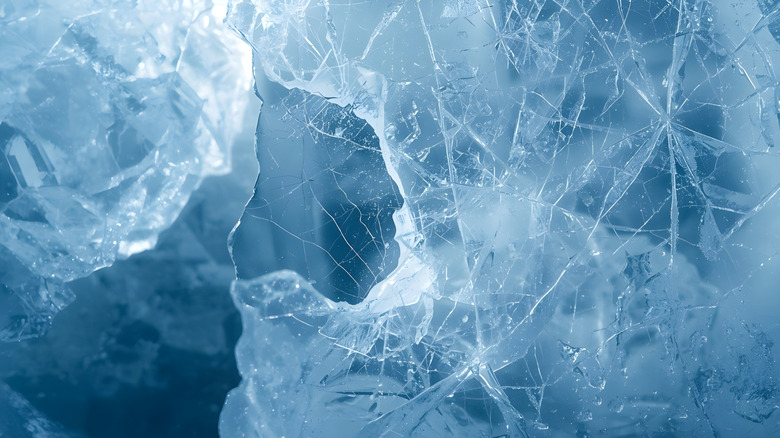
To determine the origin of this mysterious water, the researchers are performing multiple forms of analysis, including radiocarbon dating. This allows them to estimate the age of organic materials by investigating the amount of a radioactive carbon isotope, which decays at a predictable rate. Preliminary results have indicated that this freshwater came from glaciers that formed in the last ice age. These data suggest that this store of water is around 20,000 years old.
The working theory of how this water got where it is today involves swaths of ice that once blanketed North America. Supposedly, the melting water was pushed deep underground by high glacial pressure. As seawater levels rose, this water was trapped under layers of sediment, which created a seal, separating the freshwater from the saltwater of the ocean. One of the lead researchers on the project, Brandon Dugan, emphasized that when the drills used to collect samples were pulled, the holes they had formed were resealed. Therefore, more water could theoretically be drawn from this reservoir without compromising its integrity.
What does this mean for the water shortage?
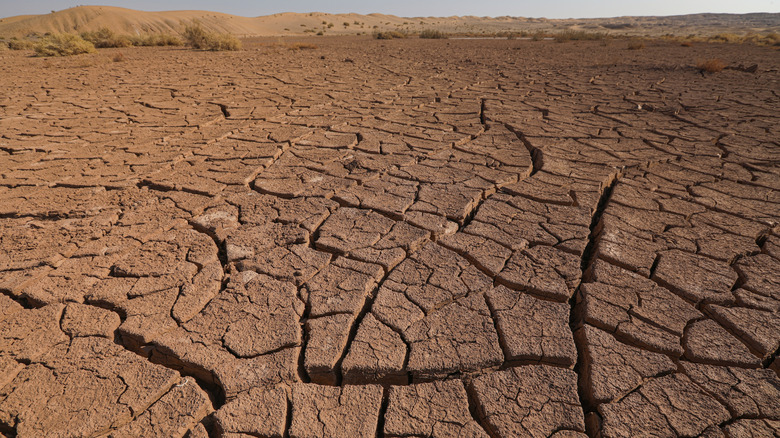
One of the facts consistently cited in articles about this expedition is that the amount of freshwater believed to reside here could sustain New York City for 800 years. However, whether this water is truly drinkable requires further testing. This becomes increasingly important as access to freshwater diminishes. According to a report released in January by the United Nations, the Earth is entering a period of "water bankruptcy." This means that water is being used and polluted beyond its ability to renew, while the loss of wetlands and other natural stores of water irreversibly grows.
According to preliminary data from the expedition, the salinity level varies greatly with distance from the coast. While samples taken closer to the shore of Martha's Vineyard were measured around 1,000 parts per million (ppm), the samples taken furthest from the coastline reached up to 18,000 ppm. While that is just a little over half the salinity level of the ocean (35,000 ppm), it is not safe to drink. Any salinity level beyond 1,000 ppm is considered saline water by the United States Geological Survey, and therefore not suitable for drinking.
Additionally, based on early reports, we can assume that this is incredibly old water, which means it is not a renewing source. Therefore, although this newfound reserve could supply some safe water in a time of crisis, it does not erase the urgency to address the global water crisis.