

What Scientists Know About Cholesterol That You Didn't (Until Now)
For many people, hearing the word "cholesterol" can invoke concerns for heart health. It's true that too much cholesterol can lead to plaque buildup in the arteries, and may contribute to coronary artery disease. Cholesterol itself doesn't always need to be feared though, and there are many misconceptions about this substance that scientists are trying to help clear up so people can have a better understanding of it.
Before we dive into some of these facts about cholesterol, it's important to first understand the key features about this waxy substance and what role it plays in the human body. Every cell in the body has small amounts of cholesterol, and it is naturally produced by the liver. Everyone needs some amount of cholesterol to help with digestion and hormone production. Problems arise when there is too much cholesterol, particularly in the form of low-density lipoprotein (LDL) cholesterol and very low-density lipoprotein (VLDL) cholesterol , which carry triglycerides. On the flipside, high-density lipoprotein (HDL) cholesterol is considered vital for human health because it works with the liver to remove excess cholesterol.
Unfortunately, because of the bad reputation of cholesterol and the very real health concerns connected with too much LDL cholesterol and triglycerides, there has been a lot of misinformation regarding overall cholesterol management. Scientists know that high cholesterol is linked to far more than eating habits. Other lifestyle choices, such as smoking and alcohol use can all contribute, too. Furthermore, there are some risk factors that are out of your control, including increased age, sex assigned at birth, family history, menopause in women, and underlying medical conditions.
Cholesterol-containing foods don't always increase blood cholesterol

Certain foods do contain high levels of cholesterol, including egg yolks, organ meats, and shrimp. However, blood cholesterol and the cholesterol in certain foods are not synonymous. Scientists now know that dietary cholesterol isn't solely responsible for raising your cholesterol levels. The bigger culprit? Saturated fats. These also are mostly found in animal-derived foods, such as red meats, cheeses, dairy products, and butter. Other sneaky sources of saturated fats include processed meals and snacks, baked goods, and deep-fried foods. People who eat more saturated fats tend to also have higher LDL cholesterol levels.
While it's still important to eat cholesterol-rich foods in moderation, healthy adults do not need to completely avoid them unless a doctor says so. The key is to focus on healthier fat sources that won't raise your cholesterol. Examples include olive oil, nuts, and leaner meats like chicken or turkey breast. Eating the world's most nutritious vegetables can also help you get more soluble fiber in your diet, which may in turn help with cholesterol levels by preventing your body from absorbing excess cholesterol into your blood. Whole grains, fruits, and legumes like beans are other good sources of soluble fiber. Don't forget regular physical activity to complement a cholesterol friendly diet — exercise is thought to help by increasing HDL levels and preventing LDL oxidation, per the International Journal of Molecular Sciences.
Smoking can also raise LDL cholesterol levels

For a long time, the primary side effect associated with smoking was lung cancer. While the American Cancer Society does note that smoking is still linked with about 80% of all lung cancer cases, we also know that it can increase the risk for numerous other types of organ cancers. The dangers go beyond cancer, though. Smoking can even impact your cholesterol by lowering HDL levels and increasing LDL levels in the body.
Often known as "bad" cholesterol, LDL cholesterol isn't inherently harmful unless you have too much of it. Since high levels of LDL cholesterol can contribute to plaque buildup in the arteries, the ideal range is 70 milligrams per deciliter of blood or lower.
Smoking is also known to decrease HDL cholesterol, which leads to an imbalance and can make it so you have excess LDL. Even worse, the chemicals in smoking products are also thought to make LDLs oxidize, which is what makes them stick to arterial walls. In the long-term, such impacts may also raise the risk for developing heart attack, peripheral artery disease, and stroke. Unfortunately, it's not just smoking that affects cholesterol in this way. Even vaping and other tobacco products can raise LDL while lowering HDL cholesterol levels.
Not everyone needs annual cholesterol testing
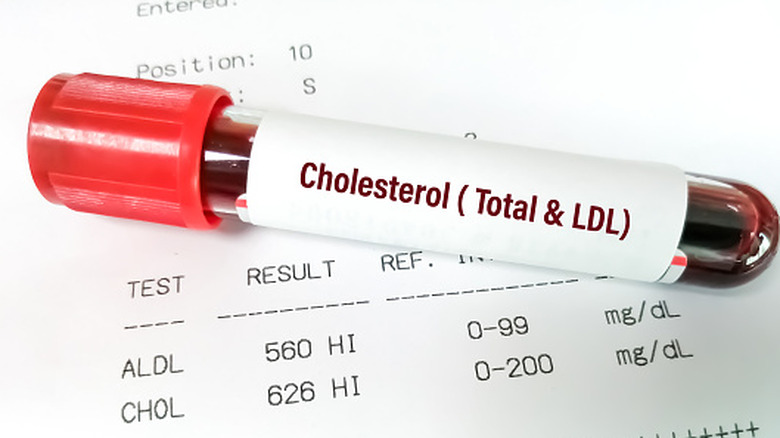
A complete cholesterol test is a tool used to measure both HDL and LDL cholesterol in your blood, as well as triglyceride counts. These are usually calculated as part of your overall lipid panel to help determine whether your cholesterol numbers are within a healthy range. In addition to regular blood pressure readings, many adults are under the assumption that they need cholesterol testing every year as part of their annual physical exams. While some people do get annual cholesterol tests, the truth is not everyone needs them.
The current recommendation is to have a cholesterol test done in early adulthood by the age of 21. Unless the results are abnormal or if you have preexisting medical conditions that increase your risk of developing high cholesterol, a medical professional might then recommend additional screenings every four to six years. On the flipside, there are circumstances where adults do need their cholesterol checked at least once a year. This is usually the case if you have a personal or family history of high cholesterol, are taking statins to lower your levels, or if a doctor believes you're at a higher risk of developing coronary artery disease.
A healthy lifestyle isn't always enough to control cholesterol

There are indeed many lifestyle factors that can influence cholesterol levels. Diet, physical activity, and avoiding smoking are just some of the ways a person might keep their LDL cholesterol and triglyceride levels in check, while also boosting HDL. But this can also be a point of contention for individuals who already do these things yet still struggle with high cholesterol. Over the years, science has revealed an unfortunate reality: Cholesterol may not be controlled through lifestyle habits alone.
Certain underlying health conditions can raise cholesterol levels, including type 2 diabetes, hypothyroidism, and liver disease, just to name a few. Furthermore, high cholesterol can also run in families. Familial hypercholesterolemia is a genetic condition that affects cholesterol processing in the body, and subsequently increases the risk of heart attack and heart disease earlier in life.
When cholesterol is at an unhealthy level, a doctor may prescribe statins as complements to diet and exercise to help reduce LDL cholesterol as well as triglycerides. These medications work by inhibiting enzymes that promote cholesterol production in the liver. While a healthy lifestyle is beneficial for everyone regardless of their cholesterol status, statins may still be necessary to help control cholesterol levels in such cases.