

The Weird Thing That Happens When We Poop (But No One Talks About It)
Pooping is not something that we spend a lot of time talking about, at least once we become adults. An even rarer topic of discussion is the feeling of relaxation and well-being we sometimes get after pooping, emotions that amount to something like poop euphoria or "poo-phoria."
The term poo-phoria was introduced by the gastroenterologist Dr. Anish Sheth and his friend and coauthor Josh Richman in their book "What's Your Poo Telling You?" This post-pooping euphoria is the result of a complex communication network between the gut and the brain. The gut (more technically known as the gastrointestinal tract) is the series of organs that runs from the mouth to the anus. The gut-brain axis connects the gut to the brain. It is the basis for "gut feelings" and partly explains why we should trust them. Through this gut-brain connection, food traveling through the gut and out of the body stimulates the production of a slew of neurotransmitters that affect mood and feelings of pleasure.
These neurotransmitters include serotonin, dopamine, endogenous opioids and cannabinoids, and gamma-aminobutyric acid (also known as GABA). Interestingly, both serotonin and dopamine act on cells in the gut to promote the movement of poop through the intestines and out of the body. So, poo-phoria isn't just a happy feeling. It may also make it easier for people to poop. In other words, this weird thing could actually be one of the best things that happens in our bodies.
The complex network and neurotransmitters behind this natural high

The gut-brain axis is the connection between the gut and the brain or nervous system that is established by the vagus nerve, the enteric nervous system, and the gut microbiome. The vagus nerve is a long nerve that travels from the brain to the gut, while the enteric nervous system is part of the autonomic nervous system. It's the most complex neural system outside of the brain, sometimes even being called the "second brain." The gut microbiome comprises all the bacteria that live in the gut, which are involved in digestion of food and the production of flatulence, one of the 10 gross adaptations humans have evolved. Disruption of these bacteria when we are nervous is also what causes that 'butterflies in the stomach' feeling. The gut bacteria produce or induce the secretion of neurotransmitters, which in turn act on cells in the brain and gut.
Upon pooping, specialized cells in the lining of the gut wall release the neurotransmitter serotonin. Through the gut-brain connection, serotonin can act to increase focus and produce feelings of happiness and calm. Dopamine, on the other hand, is mainly produced in the brain. It produces a feeling of pleasure and the motivation to do something to achieve more of that feeling. Cannabinoids, which share the same receptors as heroin, are also secreted by neurons in the colon. All of these neurotransmitters produce feelings of euphoria.
Although poo-phoria could be seen as its own reward, it may actually have a more practical purpose. Serotonin stimulates the colonic migrating motor complex, which regulates muscular contractions in the colon or large intestine, thus facilitating the propulsion of poop along the large intestine. Dopamine promotes the secretion of a protein called mucin 2, which forms a gel that lubricates the rectum and eases the release of poop. Cannabinoids may also improve the movement of food through the gut. So, besides producing happy feelings, poo-phoria helps us to poop better.
A lack of neurotransmitters can affect both mood and pooping
While good bowel movements can be accompanied by euphoric feelings caused by the release of neurotransmitters, low levels of neurotransmitters have been linked to constipation. For example, people with Parkinson's disease, who lack dopamine-producing neurons, often have severe constipation. Lower dopamine levels have also been found in people with inflammatory bowel disease such as Crohn's disease and ulcerative colitis, in which constipation is a key symptom. The idea of using dopamine treatments such as L-DOPA to treat inflammatory bowel disease has been floated, but more research is needed to know how feasible this will be.
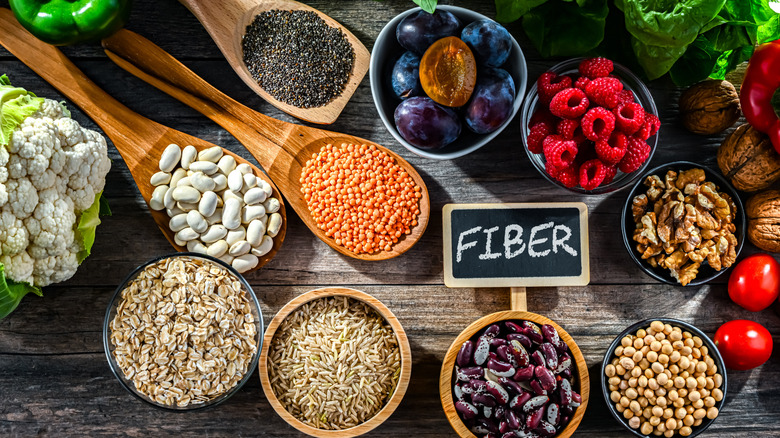
The phenomenon of poo-phoria may be enhanced by eating a high-fiber diet or by taking natural laxatives such as prunes, prune juice, and a lot of water and warm liquids. Although the euphoria brought on by a good bowel movement shares similarities to the high induced by taking opioids or cannabinoids, there is one difference. So far, no cases of poop addiction have been reported.