

Why You Can't Resist Cracking Your Knuckles, According To Science

For a long time the conventional wisdom was that cracking your knuckles makes you more likely to develop arthritis later in life. People crack their knuckles and other joints for a variety of reasons, so it's fortunate that research has found no link between knuckle cracking and joint damage. However, this habit can be hard to break because it can bring a sense of physical or psychological relief, feelings of satisfaction, and because changing longstanding habits can be challenging.
One of the main reasons people can't resist cracking their knuckles is because the movement can bring a temporary improvement in joint mobility. Many people also find the act of cracking their knuckles satisfying. This is because surrounding nerves can sense the forces released when the joint cracks. Others may also find the sound of joints popping satisfying, even though others may find the same sounds highly annoying. Additionally, people may crack their knuckles as a way to relieve stress and anxiety, or simply because the act has become a habit that is hard to overcome.
What makes joints crack
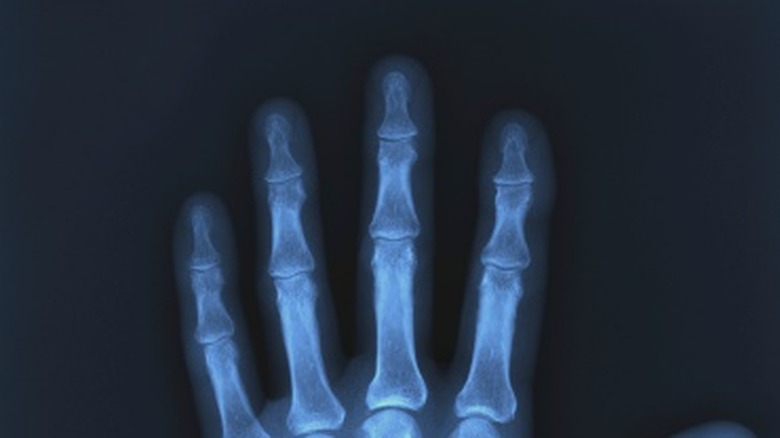
The loud pop that you get when you crack a joint may sound serious, but what's really happening when you crack your knuckles is that gas bubbles are popping. Joints are surrounded by a sleeve of connective tissue called a capsule. Joint capsules are filled with synovial fluid, a fluid that cushions and lubricates joints. When a joint capsule is stretched, such as when cracking knuckles, pressure changes cause gases dissolved in synovial fluid to form bubbles that then pop.
Joint capsules are tough, so cracking your knuckles is unlikely to cause any damage to the joint. However, there are some physical risks to consider when it comes to this act. First, cracking a joint should use only the movements for that movable joint. For instance, one shouldn't twist fingers to crack knuckles as this could damage tendons and ligaments. Similarly, cracking joints in the neck or spine should be done very cautiously, if at all, because of the risk of damaging surrounding nerves and blood vessels. Some research has found hand swelling and reduced grip strength in people who habitually crack their knuckles; however, other studies found no changes in grip strength.
Why and how to quit cracking your knuckles

While researchers have found no increased risk of arthritis from knuckle cracking, there are many reasons people want to quit. One reason is that the sound of constant joint cracking is the kind of sound that can drive other people crazy. In rare cases joint cracking can cause pain, which is a sign that something is wrong. Others may want to stop simply because they feel like it's a habit worth quitting.
Much of the time stopping will come down to changing one's habits. However, people who are cracking joints to relieve physical tension, improve mobility, or to handle stress might need to address underlying issues as well. People with excess tension or stiffness may have to make lifestyle adjustments like changing their desk setup or getting advice from a physical therapist. Those who crack joints to relieve stress may be helped by using fidget toys or stress balls to occupy their hands. Even then, joint cracking is a habit that can be hard to break and some might need help reversing their habits.
Cracking one's knuckles is unlikely to cause joint damage or arthritis later in life. However, whether it's done to relieve stress, decrease tension, improve mobility, or just to hear the sound, joint cracking can be hard to resist.