

The Real Reason You Want To Spit During A Workout

Whether you're hitting a local running trail, pedaling a bike, or fighting for your life in a group workout class, the need to spit can be a real annoyance. It also seems to be nearly universal, with athletes in many sports spitting throughout a game. The urge to spit varies in strength from workout to workout, but there are real scientific reasons this happens. Experts think the urgent need to spit during exercise is driven by a combination of dehydration, mouth breathing, and exercise-induced changes in the composition of saliva.
Exercise raises heart rate and breathing, makes us sweat more, and kicks off many other changes in the body meant to help it meet the task at hand. These changes are managed by our sympathetic nervous system, part of the autonomic nervous system that manages our "fight-or-flight" response. This is in contrast to the parasympathetic nervous system, referred to as the "rest-and-digest" system, that handles tasks like digestion when we feel more relaxed. The salivary glands in our mouths are linked to both the sympathetic and parasympathetic systems, with each system having different effects on saliva secretion.
Exercise changes our saliva
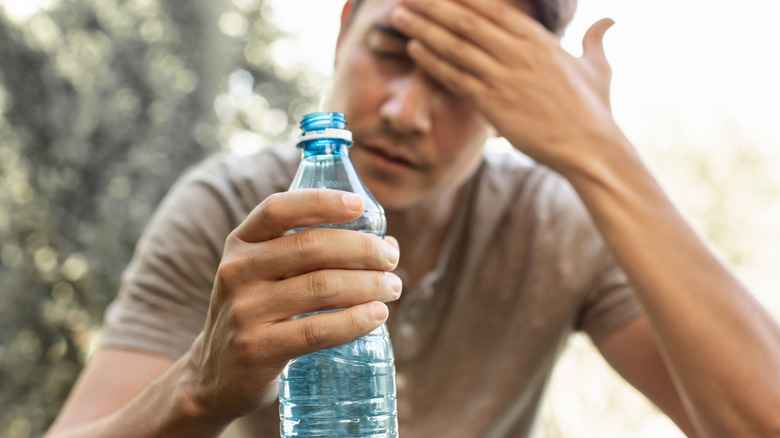
Saliva is around 99% water, with the remainder made of enzymes, mucus cells, electrolytes, antibodies, and proteins. During exercise the sympathetic nervous system increases the amount of a protein called MUC5B (which plays a role in the airway's immune response) in our saliva. A study of people riding stationary bicycles found that MUC5B concentrations in saliva were significantly higher immediately after a 15 minute exercise session than either before exercise or 30 minutes after the workout. The conclusion is that MUC5B causes saliva to thicken.
At the same time, exercise causes us to sweat, leading to a loss of water in the body. To keep you from becoming dehydrated, your body will reduce the water content in saliva. This can also cause saliva to thicken. Similarly, most people will breathe through their mouths during a workout. This causes tissues in the mouth to dry out. Our bodies try to keep the mouth moist, thus increasing saliva production, but with lower water content and increased levels of MUC5B, that saliva will be much thicker than normal. When this happens it can be harder to swallow excess saliva, leaving few alternatives but to spit.
To spit or not to spit
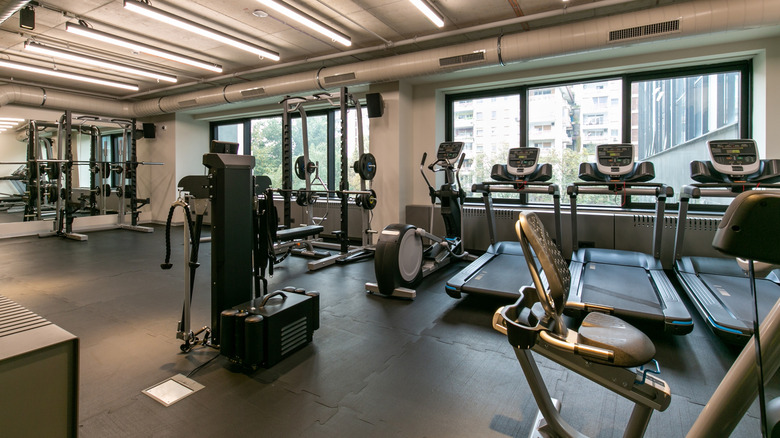
Depending on where you are, spitting can range from grudgingly accepted to completely forbidden. A big reason for the social stigma against spitting is because spitting can spread disease. Spitting while on a strenuous hike or trail run would be considered okay if you were discreet about it and avoided affecting other people. However, spitting while running on a treadmill might get you banned from the gym.
In sports, spitting can result in athletes being fined or suspended from playing. In sports like basketball, spitting on the floor increases the odds of someone slipping during a game. The National Football League has also cracked down on spitting due to incidents where players have spit on other athletes. NFL athletes can now face suspensions in addition to monetary fines.
Social stigma and the possibility of being kicked out of a gym make finding alternative ways to deal with thickening saliva important. The first option is to address part of the underlying issue. The body reduces the water content in saliva to stave off dehydration, so taking frequent sips of water can help thin out saliva, reducing the need to spit. Another option is to spit into a tissue, which is a more discreet and socially acceptable option. The need to spit during a workout is a common experience. But having an understanding of what causes this sensation and a little discretion can help you deal with this problem.