

A Bed Bug's Worst Fear Was Discovered By Accident (And It's Not What You'd Expect)
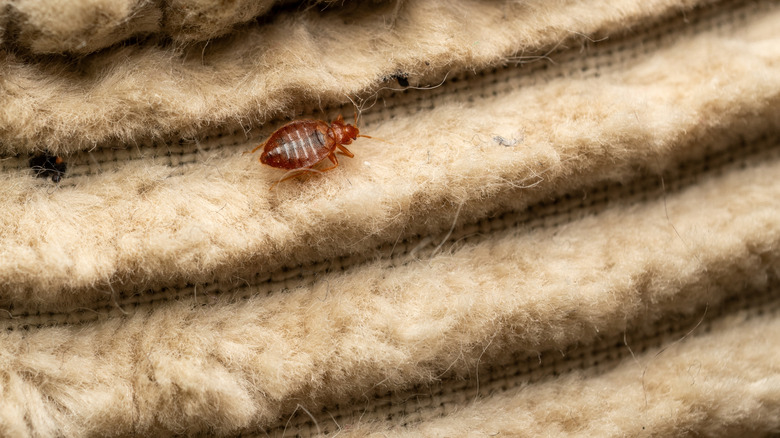
For many, the mere mention of bed bugs is enough to make their skin crawl. These tiny insects have made a resurgence in the past few decades, popping up in furniture and bedding around the world. While its possible to eliminate bed bug infestations, it can take several attempts to get rid of these persistent pests. But what bed bugs fear most isn't heat or insecticides. Scientists discovered, by accident, that a bed bug's worst fear is water.
Researchers studying bed bugs at the University of California, Riverside found that a machine that fed blood to the insects being studied had sprung a leak. During the cleanup and repair, scientists noticed that bed bugs would avoid areas that had become wet with blood. In light of this discovery, the research team set up a series of experiments to observe how bed bugs avoided wet surfaces. They found that bed bugs moved away from wet surfaces before they even touched the water nearly 90% of the time. The bed bugs moved away from wet surfaces at greater speed than they approached them, and young bed bugs turned away sooner than adults.
What are bed bugs?
Bed bugs are tiny, flat-bodied insects that are roughly the size of an apple seed. They feed on human and animal blood and hide in small, enclosed spaces like the seams in bedding. Because of their size and flat bodies, bed bugs can find their way into very small places. They also can hitch a ride in clothing, bedding, or luggage, which makes them easy to spread from one infested location to another. Once in a new place, female bed bugs lay hundreds of eggs and there can be several generations of bed bugs within a single year.
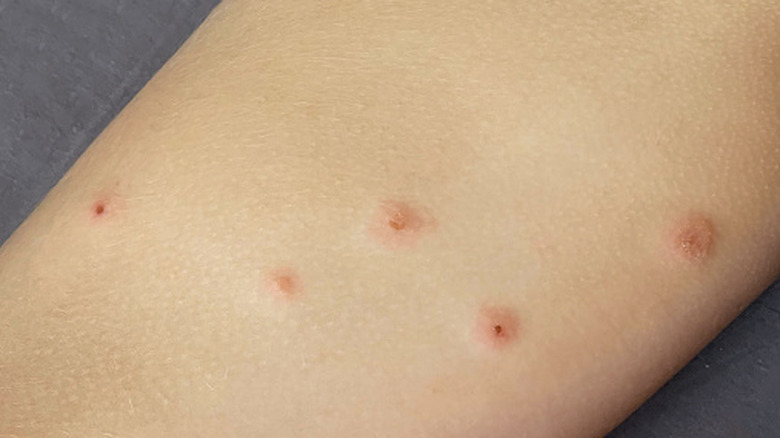
Bed bugs hide out during the day and come out to feed at night, biting people while they sleep. Some people can be bitten by bed bugs and never know because they don't react to the bites, however, most people will see tiny red marks in areas where bed bugs have bitten them. There have been no documented cases of people being infected by germs carried by bed bugs, but bites can lead to itchy rashes and even secondary skin infections. Pheromones released by bed bugs can accumulate in house dust and cause allergic reactions in some people.
Getting rid of bed bugs
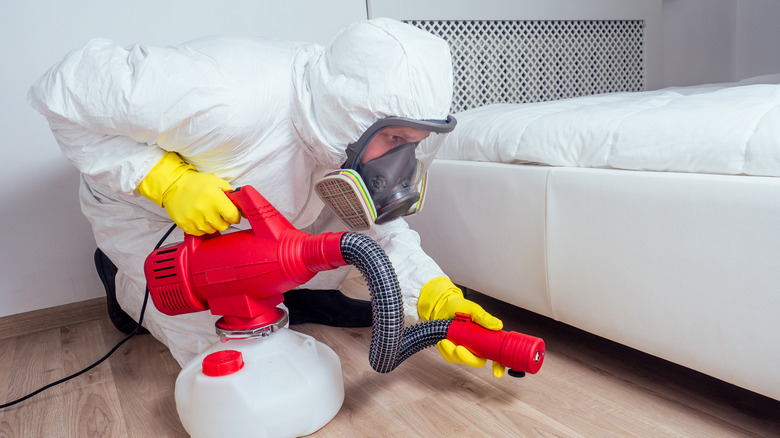
Getting rid of bed bugs can be a time-consuming process. Often, people can eliminate bed bugs by washing bedding and clothing in hot water and drying them in a clothes dryer at the hottest setting. A hot dryer can also get rid of bed bugs in stuffed toys, shoes, or other items that can't be washed. Sometimes it may take several attempts to eliminate bed bugs; however, some cases might require help from a professional.
In the past, people were able to easily control bed bugs with pesticides, nearly eliminating them by the 1960s. However, these insects have been making a comeback over the past 20 years. One possible reason is more limited use of pesticides, but another explanation is that many populations of bed bugs are resistant to common insecticides. A 2024 study of bed bug genes found multiple mutations that could make them resistant to insecticides.
Preventive measures like special mattress covers can keep bed bugs away; however, we will probably also need to develop new chemical methods to stop bed bugs. Knowing that bed bugs would try to avoid a water-based insecticide is vital to development efforts. It turns out that bed bugs are just as afraid of water as we are of them.